Enhance Your Online Presence with Portfolio Website Design in 2024
In the competitive world of web design, having a standout portfolio can make all the difference when it comes to landing new clients and projects. Your portfolio serves as a showcase of your skills, creativity, and unique style, allowing potential clients to see firsthand what you can bring to the table. With the right portfolio website design, you can make a lasting impression and set yourself apart from the competition. Let’s explore key parameters of creating a powerful portfolio website design that will help you attract and impress your target audience. Why Portfolios are Essential for Web Designers A well-crafted portfolio is like a digital resume that speaks volumes about your expertise and experience. It provides potential clients with a glimpse into your creative process, design sensibilities, and the quality of work you deliver. A portfolio allows you to showcase your best projects, highlight your strengths, and demonstrate your ability to solve problems and meet client needs. In essence, your portfolio is your chance to make a strong first impression and show the world what you’re capable of. Here are some key Tips for crafting the Perfect Portfolio Website: Choose the Right Platform: When creating your portfolio website, it’s essential to choose a platform that aligns with your design goals and technical skills. Whether you opt for a website builder like Wix or WordPress, make sure the platform is user-friendly, customizable, and allows for easy updates and edits. Showcase Your Best Work: Your portfolio should feature a selection of your most impressive and diverse projects. Include a mix of client work, personal projects, and experimental pieces to demonstrate your range and versatility as a designer. Highlight projects that best represent your style and skills. Tell Your Story: Use your portfolio to narrate the story behind each project. Brief your design methods, challenges you faced, and how you overcame them. Providing context and insights into your work can help clients better understand your approach and creativity. Keep It Simple and Intuitive: A clean, well-organized portfolio is key to capturing and retaining the attention of visitors. Make sure your website is easy to navigate, with clear categories, intuitive navigation menus, and concise project descriptions. Focus on usability and simplicity to create a seamless user experience. Prioritize Visuals: As a designer, your portfolio is a visual showcase of your talent and creativity. Use high-quality images, videos, and animations to bring your projects to life and engage visitors. Pay attention to details like color scheme, typography, and layout to create a visually appealing and cohesive portfolio. Highlight Your Skills and Expertise: In addition to showcasing your projects, make sure to highlight your skills, services, and areas of expertise on your portfolio website. Include a brief bio, resume, and testimonials to build credibility and establish trust with potential clients. Optimize for Search Engines: To ensure your portfolio gets seen by the right audience, optimize it for search engines. Use relevant keywords, meta tags, and alt text for images to improve your website’s visibility and ranking on search engine results pages. Final Thoughts In conclusion, a well-designed portfolio website is an invaluable tool for web designers looking to attract clients, showcase their talent, and build their brand. With growing of brand in marketplace sales projection is liable to increase which further leads to increase in revenue. By following these key tips, you can create a strong portfolio that effectively communicates your skills and your unique style to potential prospects. Remember, your portfolio is your digital storefront, so make sure it represents you in the best possible light. Show the world what you’re capable of with a standout portfolio website design.
Why Is Google Removing Millions of URLs in 2025? Causes, Effects & Fixes
Introduction In the dynamic digital landscape of 2025, a significant shift is underway that has website owners, SEO professionals, and bloggers buzzing with concern: Google is aggressively removing millions of URLs from its extensive index. This unprecedented deindexing phenomenon, whether impacting a sprawling blog, a local business site, or a bustling eCommerce store, carries direct implications for a website’s visibility, organic traffic, and ultimately, its revenue. This in-depth analysis aims to illuminate the core reasons behind Google’s current indexing strategy, explore its profound effects on your online presence, and, most critically, provide actionable strategies to safeguard your website. This isn’t mere speculation; our insights are firmly grounded in real 2025 data, detailed algorithm insights, and proven remedies that have demonstrated effectiveness in the face of these changes. We will also highlight the role of CSS Founder Pvt Ltd, a prominent website design company in Dubai, in navigating these challenges. Why Is Google Removing Millions of URLs in 2025? Google’s mission remains to deliver the most relevant and helpful information to users. The current deindexing trend in 2025 is a clear manifestation of this commitment, driven by several evolving factors: 1. Google’s Reinforced Focus on Helpful Content (HCU 2024 & Refinement in 2025) The latter half of 2024 and early 2025 saw Google roll out sophisticated updates to its Helpful Content Update (HCU). These iterations are more discerning and aggressive in deindexing pages that fail to meet stringent quality benchmarks. Specifically, pages being targeted are those that: According to Google’s March 2025 Search Quality Report: “Over 65% of deindexed URLs were identified as either thin content or lacking originality.” This underscores Google’s intensified commitment to E-E-A-T (Experience, Expertise, Authoritativeness, and Trustworthiness), demanding content that demonstrates genuine human insight and value. 2. Enhanced Crawl Budget Optimization for Larger Websites Google, in its pursuit of efficiency, meticulously allocates its crawl resources. For websites with a vast number of pages, particularly those with: In such scenarios, Google may elect to skip or deindex these less useful pages, thereby conserving crawl budget for the more valuable and actively engaged sections of a website. 3. Sophisticated Spammy or Duplicate Content Detection Google’s spam detection algorithms, particularly the SpamBrain 2025 update, have become remarkably more effective and precise at identifying and penalizing: This means a greater emphasis on genuinely unique and valuable content across your entire site. 4. Critical Technical SEO Issues A significant number of URL removals are attributable to fundamental technical SEO flaws that hinder Google’s ability to effectively crawl and index pages. Common culprits include: 5. Heightened Security Concerns: Hacked or Malware-Affected URLs Google maintains its vigilance against malicious websites to protect its users. Consequently, it continues to deindex URLs that are flagged with: A stark figure from the Google Transparency Report highlights this threat: In January to April 2025 alone, over 3.2 million URLs were removed from Google’s index due to compromised website security. This emphasizes the critical importance of robust website security. Visual Idea: Bar Chart for Security-Related Deindexings Over Time If historical data for “compromised website security” deindexings were available (e.g., quarterly figures), you could show a trend. For now, a single bar highlights the 2025 data. Figure 2: URLs Removed Due to Compromised Website Security (Jan-Apr 2025) 6. Increased Legal Requests (DMCA/Privacy Complaints) Legal requests, including Digital Millennium Copyright Act (DMCA) complaints for copyright infringement and privacy complaints, also contribute to URL removals. In 2025, over 1.5 million URLs per month are being removed under DMCA complaints, showcasing the ongoing legal landscape affecting web content. Visual Idea: Line Graph for Monthly DMCA Removals This number is explicitly “per month,” making a line graph or a simple bar for the current monthly average a good fit. Figure 3: Average Monthly DMCA URL Removals (2025) Effects on Your Website The deindexing of URLs can have a multifaceted impact on your website: ❌ Negative Impacts ✅ Positive Side (if handled well) While initially alarming, strategic management of deindexing can yield positive outcomes: How to Identify If Your Site Is Affected Proactive monitoring is crucial to identify deindexing issues: Visual Idea: Screenshot of Google Search Console (Example) You could include a blurred or generic screenshot of the Google Search Console “Pages” (formerly “Coverage”) report, highlighting the “Excluded” section with a red box or arrow. This provides a visual anchor for your advice. Figure 4: Example of Google Search Console “Pages” Report Fixes: How to Protect Your Website Addressing URL deindexing requires a multi-pronged approach focused on quality, technical soundness, and security. 🔧 1. Drastically Improve Content Quality (Focus on E-E-A-T) This is the cornerstone of protecting your website in 2025. 🌐 2. Optimize Crawl Budget For larger sites, efficient crawl budget management is key. ⚙️ 3. Resolve Technical SEO Issues A technically sound website forms the foundation for good indexing. ⚠️ 4. Clean Up Security Threats Protecting your website is paramount. ✉️ 5. Re-submit Cleaned Pages Once you’ve addressed the issues, inform Google of your changes. FAQs: Google Removing URLs in 2025 1. How do I know if my URLs were deindexed? The primary place to check is Google Search Console. Navigate to the “Pages” report under “Indexing” and look for URLs listed under “Excluded” reasons, particularly “Crawled – currently not indexed” or “Discovered – currently not indexed.” 2. Will Google tell me if it removes my URLs? Not always. While manual actions (penalties) and security issues (e.g., malware detection) are typically notified through GSC, algorithmic removals due to quality issues (like the Helpful Content Update) are generally not accompanied by direct notifications for individual URLs. You’ll need to monitor your GSC reports. 3. Should I delete low-quality pages? If they genuinely offer no value, receive no traffic, and are unlikely to be improved, then yes, deleting them or merging their content into a more comprehensive page can be beneficial. However, if a page has historical backlinks or some residual traffic, consider improving it significantly rather than outright deleting it. 4. What kind of content is safe from deindexing? Content that aligns strongly
How Will AI Change Web Development in the Future?

Artificial Intelligence (AI) is no longer a futuristic concept — it’s already transforming industries across the globe. From healthcare to finance, businesses are leveraging AI to automate processes, improve customer experiences, and make smarter decisions. But one area where AI’s impact will be truly revolutionary is web development. For businesses, startups, and e-commerce brands looking to scale online, understanding how AI will reshape websites is crucial. Partnering with a professional website designing company in Delhi can ensure that your business stays ahead of this technological curve. 1. Smarter Website Design with AI Tools AI-powered platforms can now generate entire website layouts based on user input. These tools analyze industry trends, user behavior, and design best practices to create smart, conversion-focused websites. 2. Enhanced User Experience (UX) AI enables websites to deliver personalized browsing experiences. Imagine a website that adjusts its content, colors, or navigation based on each visitor’s behavior. This level of personalization can increase user retention and sales significantly. 3. Improved Search Engine Optimization (SEO) Search engines are becoming smarter with AI integration. Google’s algorithms now prioritize user intent, content quality, and experience signals. A skilled website designing company in Delhi can blend AI-driven SEO tools with expert strategies to achieve long-term rankings. 4. Automation in Web Development Repetitive coding tasks can be handled by AI-powered assistants, speeding up development timelines. Developers can focus more on creative problem-solving while AI manages code suggestions, bug fixes, and security patches. 5. Security & Fraud Detection Cybersecurity will be a top concern for businesses in the future. AI can monitor unusual activities on websites in real-time, preventing hacks, malware, and data breaches before they escalate. 6. Future-Proofing Businesses AI in web development is not just a trend — it’s the future. Businesses that adapt early will enjoy stronger customer engagement, better conversions, and improved brand credibility. If you’re a business owner, startup, or e-commerce brand, collaborating with a trusted website designing company in Delhi like CSS Founder will help you integrate AI-driven solutions seamlessly into your digital presence. FAQs Q1. How will AI impact web development jobs? AI will automate repetitive coding but will also create new opportunities for developers to work on more complex, innovative tasks. Q2. Can small businesses benefit from AI in web development? Yes, AI tools can help small businesses create cost-effective, user-friendly websites with smart features like chatbots and personalized recommendations. Q3. Why should I hire a website designing company in Delhi instead of DIY tools? While AI DIY tools are useful, a professional company like CSS Founder ensures your site is customized, SEO-optimized, scalable, and future-proof for long-term growth. Conclusion AI is reshaping the web development industry at an unprecedented pace. From smart designs to enhanced user experiences and stronger security, its impact is undeniable. To stay competitive in this evolving landscape, partnering with a forward-thinking website designing company in Delhi can help you leverage AI effectively and grow your business online.
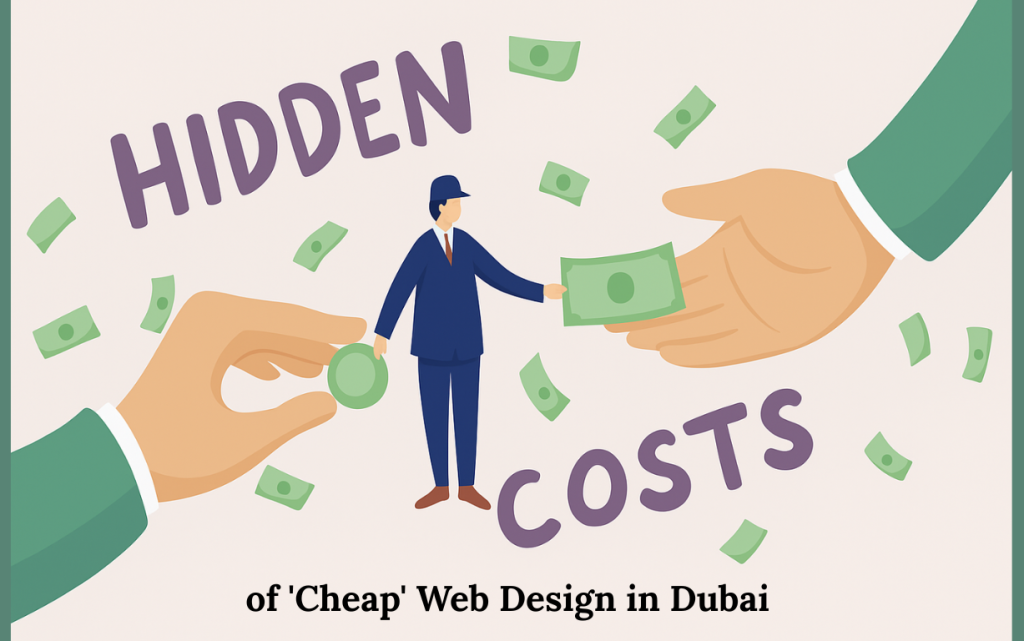
The Hidden Costs of ‘Cheap’ Web Design in Dubai: What You Need to Know Before You Build
Dubai’s business landscape moves at lightning speed, and in this digital-first economy, your website often determines whether a potential customer chooses you or your competitor. I’ve witnessed countless Dubai entrepreneurs make the same costly mistake—choosing the cheapest web design option available, thinking they’re being smart with their budget. The reality? What appears to be a bargain upfront usually becomes an expensive nightmare down the road. Poor search engine visibility, security vulnerabilities, frustrated customers, and missed sales opportunities are just the beginning of problems that stem from cutting corners on web design. Your website isn’t just another business expense—it’s your digital storefront, your 24/7 salesperson, and often the first impression potential customers have of your brand. Getting it right from the start isn’t just smart business; it’s essential for survival in Dubai’s competitive market. Why Cheap Web Design Feels Like a Smart Choice (Spoiler: It’s Not) Let’s be honest—when you’re starting a business or trying to control costs, a $500 website sounds infinitely better than a $5,000 one. The sales pitch is compelling: “Get online fast!” They promise your website will be live within days, not weeks. “Everything included!” The package seems to cover all the basics you need. “Save thousands!” Compared to professional agencies, the savings look substantial. But here’s what I’ve learned after seeing hundreds of Dubai businesses go through this cycle: a website isn’t a one-time purchase you can forget about. It’s a living, breathing part of your business that needs to perform, adapt, and grow with you. When you choose cheap, you’re not just saving money—you’re often buying a whole lot of problems. The Real Price of Going Cheap: Hidden Costs That Add Up Fast 1. Invisible to Google = Invisible to Customers Search engine optimization isn’t an add-on feature—it’s the foundation that determines whether anyone will ever find your website. Most budget web designers treat SEO as an afterthought, if they consider it at all. What gets overlooked: The consequence? Your beautiful new website sits on page 10 of Google search results, where virtually no one will ever find it. You’ll end up spending more on advertising and SEO fixes than you would have on proper design initially. 2. Security Nightmares That Kill Trust Instantly Cheap websites are hackers’ favorite targets. When developers cut costs, security is often the first corner they cut. Basic SSL certificates might be skipped, outdated plugins remain unpatched, and security monitoring is non-existent. I’ve seen Dubai businesses lose everything—customer data, reputation, and revenue—because their cheap website became a gateway for cybercriminals. The cost of recovering from a security breach isn’t just financial; it’s the trust you may never win back. 3. Frustrated Visitors Who Never Return Dubai has one of the world’s highest smartphone usage rates, with most people browsing on mobile devices. Yet many budget websites still treat mobile as an afterthought, creating clunky, slow experiences that drive customers away. Research shows that 53% of users abandon websites that take longer than 3 seconds to load. When your site is slow, unresponsive, or difficult to navigate, you’re not just losing visitors—you’re training them to choose your competitors. 4. The “Cheap” Illusion: Hidden Fees Everywhere That $500 website quote rarely includes everything you actually need: Before you know it, the “affordable” option has nickel-and-dimed you into spending more than professional services would have cost, but with inferior results. 5. Growth Limitations That Stunt Your Business Templates and basic website builders work fine for a simple brochure site, but what happens when your Dubai business grows? When you need to add e-commerce functionality, integrate with local payment systems, or expand your services? Most cheap websites can’t adapt or scale. You’ll face the expensive reality of starting over completely, rebuilding everything from scratch—essentially paying twice for something you should have gotten right the first time. Why Professional Web Design Pays for Itself Investing in quality web design isn’t about paying more—it’s about getting more value. Professional websites consistently outperform cheap alternatives in measurable ways: Search Engine Performance: Properly optimized sites rank higher and attract more organic traffic, reducing your need for paid advertising. Conversion Rates: Professional design and user experience optimization can double or triple the percentage of visitors who become customers. Credibility Factor: In Dubai’s sophisticated market, your website’s quality directly impacts how trustworthy and professional customers perceive your business. Long-term Value: A well-built website grows with your business, adapting to new needs without requiring complete rebuilds. What Actually Drives Web Design Costs (And Why It Matters) Understanding what you’re paying for helps you make smarter decisions. Professional web design costs reflect: Strategic Planning: Time spent understanding your business, audience, and goals before any coding begins. Custom Design: Original layouts and user experiences tailored to your brand and customers, not generic templates. Technical Excellence: Clean, efficient code that loads fast, works on all devices, and ranks well in search engines. Content Strategy: Professional copywriting and optimization that speaks to your Dubai audience and search engines. Security Implementation: Robust protection measures that keep your site and customer data safe. Ongoing Partnership: Continued support, updates, and optimization to ensure long-term success. Making the Right Choice for Your Dubai Business The question isn’t whether you can afford professional web design—it’s whether you can afford not to invest in it. In a market as competitive as Dubai, your website is often the deciding factor in whether customers choose you or your competitors. Before making your decision, ask yourself: Your Website Is Your Business’s Digital Foundation Building a website is like building a house—you can use cheap materials and shortcuts, but you’ll pay for it later when the foundation cracks and the structure fails. Your website is the digital foundation of your business, and like any foundation, it needs to be built right from the start. Professional web design isn’t an expense—it’s an investment in your business’s future. It’s the difference between a website that works for you and one that works against you. When you’re ready to build a website that actually drives results and
The Hidden Costs of ‘Cheap’ Web Design in Dubai: What You Need to Know Before You Build
“In Dubai’s digital economy, a cheap website isn’t a bargain—it’s a business killer disguised as savings.“ Dubai’s business landscape moves at lightning speed, and in this digital-first economy, your website often determines whether a potential customer chooses you or your competitor. I’ve witnessed countless Dubai entrepreneurs make the same costly mistake—choosing the cheapest web design option available, thinking they’re being smart with their budget. The reality? What appears to be a bargain upfront usually becomes an expensive nightmare down the road. Poor search engine visibility, security vulnerabilities, frustrated customers, and missed sales opportunities are just the beginning of problems that stem from cutting corners on web design. Your website isn’t just another business expense—it’s your digital storefront, your 24/7 salesperson, and often the first impression potential customers have of your brand. Getting it right from the start isn’t just smart business; it’s essential for survival in Dubai’s competitive market. Why Cheap Web Design Feels Like a Smart Choice (Spoiler: It’s Not) Let’s be honest—when you’re starting a business or trying to control costs, a $500 website sounds infinitely better than a $5,000 one. The sales pitch is compelling: “Get online fast!” They promise your website will be live within days, not weeks. “Everything included!” The package seems to cover all the basics you need. “Save thousands!” Compared to professional agencies, the savings look substantial. But here’s what I’ve learned after seeing hundreds of Dubai businesses go through this cycle: a website isn’t a one-time purchase you can forget about. It’s a living, breathing part of your business that needs to perform, adapt, and grow with you. When you choose cheap, you’re not just saving money—you’re often buying a whole lot of problems. The Real Price of Going Cheap: Hidden Costs That Add Up Fast 1. Invisible to Google = Invisible to Customers Search engine optimization isn’t an add-on feature—it’s the foundation that determines whether anyone will ever find your website. Most budget web designers treat SEO as an afterthought, if they consider it at all. What gets overlooked: The consequence? Your beautiful new website sits on page 10 of Google search results, where virtually no one will ever find it. You’ll end up spending more on advertising and SEO fixes than you would have on proper design initially. 2. Security Nightmares That Kill Trust Instantly Cheap websites are hackers’ favorite targets. When developers cut costs, security is often the first corner they cut. Basic SSL certificates might be skipped, outdated plugins remain unpatched, and security monitoring is non-existent. I’ve seen Dubai businesses lose everything—customer data, reputation, and revenue—because their cheap website became a gateway for cybercriminals. The cost of recovering from a security breach isn’t just financial; it’s the trust you may never win back. 3. Frustrated Visitors Who Never Return Dubai has one of the world’s highest smartphone usage rates, with most people browsing on mobile devices. Yet many budget websites still treat mobile as an afterthought, creating clunky, slow experiences that drive customers away. Research shows that 53% of users abandon websites that take longer than 3 seconds to load. When your site is slow, unresponsive, or difficult to navigate, you’re not just losing visitors—you’re training them to choose your competitors. 4. The “Cheap” Illusion: Hidden Fees Everywhere That $500 website quote rarely includes everything you actually need: Before you know it, the “affordable” option has nickel-and-dimed you into spending more than professional services would have cost, but with inferior results. 5. Growth Limitations That Stunt Your Business Templates and basic website builders work fine for a simple brochure site, but what happens when your Dubai business grows? When you need to add e-commerce functionality, integrate with local payment systems, or expand your services? Most cheap websites can’t adapt or scale. You’ll face the expensive reality of starting over completely, rebuilding everything from scratch—essentially paying twice for something you should have gotten right the first time. Why Professional Web Design Pays for Itself Investing in quality web design isn’t about paying more—it’s about getting more value. Professional websites consistently outperform cheap alternatives in measurable ways: Search Engine Performance: Properly optimized sites rank higher and attract more organic traffic, reducing your need for paid advertising. Conversion Rates: Professional design and user experience optimization can double or triple the percentage of visitors who become customers. Credibility Factor: In Dubai’s sophisticated market, your website’s quality directly impacts how trustworthy and professional customers perceive your business. Long-term Value: A well-built website grows with your business, adapting to new needs without requiring complete rebuilds. What Actually Drives Web Design Costs (And Why It Matters) Understanding what you’re paying for helps you make smarter decisions. Professional web design costs reflect: Strategic Planning: Time spent understanding your business, audience, and goals before any coding begins. Custom Design: Original layouts and user experiences tailored to your brand and customers, not generic templates. Technical Excellence: Clean, efficient code that loads fast, works on all devices, and ranks well in search engines. Content Strategy: Professional copywriting and optimization that speaks to your Dubai audience and search engines. Security Implementation: Robust protection measures that keep your site and customer data safe. Ongoing Partnership: Continued support, updates, and optimization to ensure long-term success. Making the Right Choice for Your Dubai Business The question isn’t whether you can afford professional web design—it’s whether you can afford not to invest in it. In a market as competitive as Dubai, your website is often the deciding factor in whether customers choose you or your competitors. Before making your decision, ask yourself: Your Website Is Your Business’s Digital Foundation Building a website is like building a house—you can use cheap materials and shortcuts, but you’ll pay for it later when the foundation cracks and the structure fails. Your website is the digital foundation of your business, and like any foundation, it needs to be built right from the start. Professional web design isn’t an expense—it’s an investment in your business’s future. It’s the difference between a website that works for you and one
Are Web Designing Companies Still Relevant in the Age of AI and DIY Website Builders?
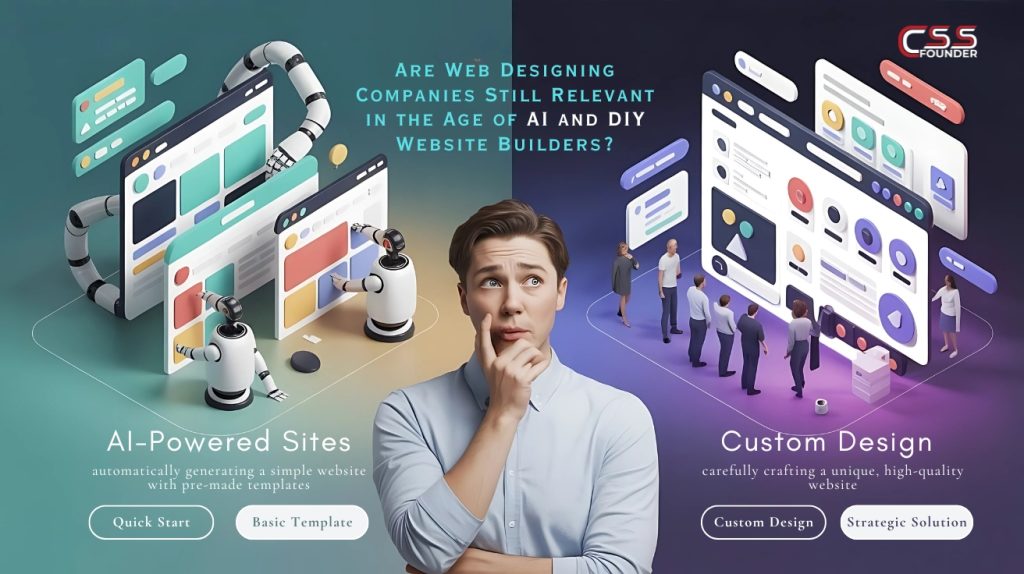
The short answer: Yes — absolutely. But the role of web design companies has evolved. Today they’re less about “building a page” and more about designing business outcomes: product-market fit, brand experience, conversions, integrations, performance, security, and long-term growth. Below is a deep, practically-minded look at why web agencies remain vital, where AI and DIY tools excel, and how a specialised agency like CSS Founder, the best website design company in Bangalore can help your business thrive in this new landscape. 1. Quick context — how we got here 2. What AI & DIY builders do very well 3. Where AI & DIY fall short (and why that matters) 4. What web design companies now actually sell (value, not just pages) 5. Cost and ROI: DIY vs Agency (the total cost view) If your site is central to business revenue, working with the best web design company in Bangalore is often the smarter investment. 6. How AI is changing — and improving — what agencies do Bottom line: AI is an amplifier — it increases agency productivity. But human strategy, judgement, and cross-disciplinary execution remain essential. 7. When to choose DIY / AI builders 8. When to hire a web design company 9. Practical checklist: What a great agency must demonstrate today 10. How CSS Founder can help your business in the AI era CSS Founder, the best website design company in Bangalore, creates websites that are both visually appealing and business-driven. They combine modern design, responsive development, and SEO strategies to ensure your brand stands out. Unlike DIY tools, CSS Founder delivers custom solutions tailored to business objectives — backed by AI for speed and human creativity for precision. What CSS Founder brings to the table Typical engagement examples How CSS Founder uses AI responsibly 11. Migrating from DIY to an agency — common pitfalls & how CSS Founder mitigates them 12. Future outlook — what to expect in next 3–5 years 13. Final verdict (actionable summary) DIY is fine for hobbies and temporary projects. But if your website impacts revenue, brand credibility, or scalability, you need a professional website design company in Bangalore like CSS Founder. 14. How to get started with CSS Founder (quick checklist) Closing The web is shifting — but the core need remains: businesses need clarity, differentiated experiences, secure and scalable engineering, and measurable growth. Web design companies that combine human strategy with AI tools like CSS Founder don’t just build websites; they design web-driven businesses.
Top 5 Website Designing Companies in Delhi to Watch in 2025

In today’s digital-first world, your website is more than just an online address; it’s your most powerful marketing tool, your 24/7 sales representative, and the face of your brand. For businesses in a bustling hub like Delhi, partnering with the right website designing company can be the difference between blending in and standing out. But with hundreds of agencies to choose from, how do you find the perfect partner for your project? We’ve done the research for you. Based on their portfolio, client testimonials, innovation, and overall market reputation, here are the top 5 website designing companies in Delhi that can bring your digital vision to life. 1. CSS Founder Topping our list is CSS Founder, a powerhouse in the web design industry renowned for its “Website for Everyone” mission. They have carved a niche by blending artistic design with robust technical development, all while maintaining a strong commitment to client success and affordability. Their approach is not just about building websites; it’s about creating digital experiences that drive growth. Why They Stand Out: Client-Centric Process: CSS Founder is celebrated for its collaborative approach. They invest time in understanding a client’s business goals, target audience, and unique brand identity before writing a single line of code. SEO-Ready from Day One: With a strong foundation in search engine optimization, every website they build is designed to be search-engine-friendly, giving clients a competitive edge from the moment they launch. Proven Track Record: Their diverse portfolio spans multiple industries, from startups and small businesses to established enterprises, showcasing their versatility and ability to deliver exceptional results. Key Services: Ideal For: Businesses of all sizes looking for a reliable, results-oriented partner that delivers high-quality websites without breaking the bank. 2. Eight Edge Eight Edge is a creative digital agency that excels in crafting visually stunning and user-centric websites. They focus heavily on branding and user experience (UX), ensuring that every site they design is not only beautiful but also intuitive and engaging for visitors. Their work often features a modern, clean aesthetic that appeals to design-conscious brands. Why They Stand Out: Strong Focus on Branding: They are experts at translating a brand’s essence into a compelling digital presence. UX/UI Expertise: Their design process is deeply rooted in user research and best practices, leading to highly functional and easy-to-navigate websites. Key Services: Ideal For: Startups and established brands that want to make a strong visual impact and prioritize user experience above all else. 3. WebFX While a global player, WebFX has a strong presence and has served many clients in the Delhi region. They are a data-driven agency that combines award-winning design with world-class digital marketing. Their key strength lies in their ability to deliver not just a website, but a complete digital marketing solution that generates leads and revenue. Why They Stand Out: Integrated Digital Marketing: They offer a full suite of services, including SEO, PPC, and content marketing, that work in synergy with their web design services. Data-Driven Approach: They use data and analytics to inform their design decisions, focusing on conversion rate optimization (CRO). Key Services: Ideal For: Businesses that need a comprehensive digital partner to handle both their website and ongoing marketing efforts. 4. Webiots Webiots has earned a reputation for its technical proficiency, particularly in complex web applications and custom software development. They are the go-to agency for clients who need more than a standard informational website. Their team of skilled developers can handle intricate functionalities and third-party integrations with ease. Why They Stand Out: Technical Excellence: They specialize in building complex, feature-rich web applications. Scalable Solutions: The platforms they build are designed to grow with the client’s business. Key Services: Ideal For: Tech startups and established companies needing a website with custom features, complex integrations, or a scalable back-end infrastructure. 5. Genesis Web Technology Genesis Web Technology is a well-regarded agency in Delhi known for its reliable delivery and a wide range of services. They cater to a broad spectrum of clients, offering everything from simple brochure websites for small businesses to full-fledged e-commerce platforms. Their strength lies in their structured process and consistent quality. Why They Stand Out: Full-Service Agency: They cover the entire spectrum of web development and digital marketing needs. Focus on Small to Medium Businesses (SMBs): They have deep experience in understanding and serving the specific needs of the SMB market. Key Services: Ideal For: Small and medium-sized businesses looking for an experienced, all-in-one agency to establish a strong online presence. How to Choose the Right Company for You Finding the best fit depends on your specific needs. Before making a decision, consider these factors: 1. Check Their Portfolio: Does their design style match your vision? Have they worked with businesses in your industry? 2. Read Client Reviews: Look for testimonials on their website and third-party platforms like Google and Clutch. 3. Understand Their Process: Ask about their design and development process, from initial consultation to final launch. 4. Discuss Your Budget: Be clear about your budget and ensure the agency can deliver a high-quality solution within it. Conclusion Your website is a critical investment in your business’s future. The Delhi market is filled with talented agencies, but the five listed above represent the best in terms of creativity, technical skill, and client satisfaction. If you’re looking for a partner that combines stunning design with a clear strategy for growth, CSS Founder is an excellent place to start. Ready to build a website that drives results? Get in touch with our team today for a free consultation!
Beyond the Souk: How E-commerce Web Design is Redefining Retail in Dubai

Introduction Step into the heart of Dubai’s Deira Souk—where the scent of oud fills the air, gold gleams under the sun, and the energy of traditional trade echoes through every stall. Now picture this rich heritage merging seamlessly with a digital click—your favorite treasures delivered to your doorstep in hours. E-commerce in Dubai isn’t replacing tradition; it’s reshaping it, bringing centuries-old culture into the digital age. In this blog, we explore the rise of e-commerce in Dubai, the must-have web design elements that drive online success, real stories of local transformation, and how traditional retailers are evolving with the times. Whether you’re a growing brand or an ambitious entrepreneur, teaming up with a leading website design company in Dubai like CSS Founder can be your gateway to thriving in this exciting new digital era. The E-commerce Tsunami: Dubai’s Digital Boom Dubai is experiencing a digital revolution in retail. With a tech-savvy population, smart infrastructure, and strong government support, the city’s e-commerce industry is growing at an incredible pace. As of 2025, the UAE’s e-commerce market stands at USD 12.28 billion and is expected to reach USD 21.18 billion by 2030, growing at a CAGR of 11.52%. More than 11.11 million UAE residents shopped online in the last year—and the number continues to rise. Mobile commerce leads the charge, accounting for 79% of all e-commerce revenue in 2024, thanks to 99% internet penetration and widespread smartphone usage. Top Growth Drivers in Dubai’s E-commerce Boom: High Internet Penetration: 96% of UAE citizens have internet access, making online shopping easy and widespread. Advanced Logistics: Dedicated zones like EZDubai and Dubai CommerCity, and innovations like Talabat’s delivery robots (“talabots”), ensure ultra-fast deliveries. Supportive Government Policies: Laws and initiatives—such as Dubai CommerCity and the 2023 E-commerce Regulations—encourage growth and build consumer trust. Post-COVID Digital Shift: Over 75% of UAE consumers switched to online shopping during the pandemic, and the habit has become permanent. Affluent Population: With a GDP per capita over USD 40,000, Dubai’s young, wealthy residents continue to drive demand for premium and fast services. Changing Consumer Behaviour: Speed and convenience now define consumer expectations. Leading Product Categories in Dubai’s Online Market: Crafting the Digital Souk: Essential E-commerce Website Features for the UAE Market To succeed in Dubai’s dynamic and competitive online space, your e-commerce website must be built for performance, trust, and local relevance. Partnering with a professional e-commerce website design company in Dubai like CSS Founder ensures your online store is ready to thrive. Must-Have Features for a High-Performing E-commerce Website: 1. Mobile-First & Fast-Loading Design With 79% of revenue coming from smartphones, your website must be fully responsive and load in under 2 seconds. A fast, mobile-optimized experience boosts engagement and reduces bounce rates. 2. Multi-Currency & Bilingual Support Offer support for both Arabic (RTL) and English, along with AED and international currencies, to cater to Dubai’s diverse audience and attract global customers. 3. Secure & Flexible Payment Integration Build trust with: 93.2% of UAE shoppers expect secure and versatile payment options. 4. SEO-Optimized Product Pages Use high-quality product images, 360° views, clear descriptions, customer reviews, and structured data (rich snippets) to improve both conversions and Google rankings. 5. Advanced Search & Filtering Options Enhance user experience with features like: 6. UAE-Focused Shipping Integrations Connect with local logistics partners like Aramex, Fetchr, and Quiqup for same-day/next-day delivery. Offer live tracking and a hassle-free returns process to match customer expectations. 7. Built-In SEO & Analytics Tools Implement Google Analytics, Yoast SEO, and focus on local keywords (e.g., “buy electronics online Dubai”) to improve visibility. A well-optimized e-commerce website design boosts organic traffic and conversions. 8. Instant Customer Support Live chat and AI-powered chatbots provide real-time help, which is crucial for retaining Dubai’s digitally demanding customers. 9. Personalized User Experience Use AI to suggest relevant products, offer curated deals, and create a personalized journey—just like platforms such as Noon.com. 10. Social Media Integration Enable shoppable posts, Instagram checkout, and social logins to tap into Dubai’s massive social media user base (9.83 million projected in 2025). Legal & Compliance Checklist for UAE E-commerce Websites: Make sure your website complies with UAE’s digital laws: From Bricks to Clicks: Dubai’s E-commerce Success Stories Dubai’s digital retail boom isn’t just about global giants—it’s equally driven by local innovation. These success stories show how thoughtful web design, mobile-first strategies, and cultural relevance are fueling e-commerce growth: 🟡 Noon.com Founded by Mohamed Alabbar, Noon.com became a unicorn in just 72 months, now standing tall next to Amazon in the region. Its mobile-first design, AI-driven personalization, and localized services like Noon Grocery and Noon Food make it a leader in speed, convenience, and customer satisfaction. 👗 Ounass.com A luxury e-commerce platform offering two-hour delivery in Dubai, Ounass combines premium product curation with Arabic-friendly UX, high-quality visuals, and a seamless mobile experience. It’s a shining example of how great e-commerce website design in Dubai can meet the expectations of high-end shoppers. 🧕 The Modist This modest fashion boutique from Dubai successfully pivoted to digital during the pandemic. By integrating shoppable Instagram posts, multi-language support, and a sleek mobile site, it carved out a niche in the MENA region—proving that small businesses can scale fast with smart digital strategies. 💡 Key Takeaways: 👉 Whether you’re a startup or an established brand, partnering with an experienced e-commerce website design company in Dubai like CSS Founder can help replicate these winning strategies. The Evolving Retail Landscape: Blending Malls with Mobile While e-commerce is growing fast—rising from 8% of retail in 2021 to an expected 12.6% by 2026—Dubai’s mall culture is still thriving. Iconic destinations like Dubai Mall continue to attract millions. But the landscape is changing: retailers are combining physical and digital for a hybrid customer journey. How Retailers Are Adapting: Bottom Line: Malls offer the emotional experience; e-commerce provides the convenience. Together, they shape Dubai’s future of shopping. FAQ: E-commerce Web Design in Dubai Q1: What makes a great e-commerce website in Dubai? A1: A high-performing e-commerce site must be: Q2: Why
The Ultimate Guide to Google Word Coach (2024)

Have you ever wondered if there’s a fun, engaging way to improve your English vocabulary without feeling like you’re studying? Google Word Coach is an engaging and interactive vocabulary-building tool launched by Google in February 2018. Designed to enhance users’ English language skills, this tool presents a series of quizzes and word games that make learning new words enjoyable and educational. The primary aim of Google Word Coach is to help users, especially those in non-English speaking regions, expand their vocabulary in a fun and effective manner. By offering various word challenges, such as choosing correct meanings, synonyms, and antonyms, the tool keeps users motivated and engaged. Its user-friendly interface makes it accessible to individuals of all ages and educational backgrounds, transforming vocabulary building into an enjoyable daily activity. The interactive nature of Google Word Coach encourages consistent practice, which is key to mastering any language. This innovative tool not only aids in vocabulary enhancement but also improves comprehension and everyday usage of the English language, making it a valuable resource for learners worldwide. What is Google Word Coach (गूगल वर्ड कोच) ? Google Word Coach is an engaging, interactive tool introduced by Google to help users expand their English vocabulary. This fun and educational game presents quizzes and word games, making it easier and more enjoyable for users to learn new words. Primarily available in regions where English is not the first language, Google Word Coach is designed to enhance vocabulary skills through a playful and user-friendly approach. It features interactive quizzes and word games designed to help users improve their English vocabulary in a fun and engaging way. Targeted primarily at non-English speaking regions, Google Word Coach offers various word challenges that include selecting correct definitions, synonyms, and antonyms. This tool aims to make learning new words both enjoyable and effective, encouraging users to expand their language skills through regular practice. Its user-friendly interface and educational approach make it accessible to learners of all ages, enhancing their vocabulary and comprehension in everyday English usage. Key Features How to Access Google Word Coach Google Word Coach (गूगल वर्ड कोच) is an interactive vocabulary game that helps users enhance their English language skills through fun and engaging quizzes. Accessing it is simple and can be done in several ways. Here’s a comprehensive guide to get started with Google Word Coach: 1. Access via Mobile Search One of the easiest ways to access Google Word Coach is through a mobile browser. Here’s how you can do it: 2. Access through the Google App Another convenient way to play Google Word Coach is via the Google app on your smartphone, especially in regions where the tool is prominently featured. Here’s how: 3. Access via Voice Search For those who enjoy hands-free interactions, Google Word Coach can also be accessed using voice commands with Google Assistant. Here’s how you can do it: How Google Word Coach Works Google Word Coach is an engaging tool designed to improve your English vocabulary through a fun and interactive quiz format. It offers a unique learning experience by combining visual and textual elements that make vocabulary building enjoyable and effective. Here’s an in-depth look at how Google Word Coach functions: Game Structure The structure of Google Word Coach is designed to provide an interactive and varied learning experience, making it ideal for users with different learning preferences. Question Types Google Word Coach features a variety of question types, each focusing on different aspects of vocabulary enhancement: Synonyms and Antonyms: Image-based Questions: Definitions: These varied question types keep the game engaging and ensure a comprehensive learning experience, catering to different aspects of language acquisition. Scoring System The scoring system in Google Word Coach is designed to motivate users and track their progress: The scoring system not only makes learning fun but also creates a sense of achievement, encouraging users to continue expanding their vocabulary. Game Levels Google Word Coach offers a tiered system of game levels, making it suitable for learners at different stages of language proficiency: 1. Beginner Level 2. Intermediate Level 3. Advanced Level Each level is designed to gradually increase in difficulty, ensuring that users are consistently challenged and motivated to improve their language skills. Example Questions Synonym Question: Antonym Question: Image-based Question: Definition Question: Benefits of Using Google Word Coach Google Word Coach is an innovative tool designed to help users improve their English vocabulary and language skills. Through its engaging and interactive platform, users can enjoy a gamified learning experience that is both educational and fun. Here are some of the key benefits of using Google Word Coach: 1. Enhanced Vocabulary One of the primary benefits of using Google Word Coach is the enhancement of vocabulary. This tool introduces users to a wide range of new words and phrases, expanding their language repertoire. Here’s how it works: Overall, Google Word Coach is an excellent resource for anyone looking to enrich their vocabulary in a fun and interactive way. 2. Improved Language Skills Google Word Coach aids in the overall improvement of language skills, offering benefits beyond just vocabulary expansion: By improving these language skills, Google Word Coach helps users communicate more effectively and confidently in English. 3. Gamified Learning Experience Learning a new language can sometimes feel tedious, but Google Word Coach turns it into an enjoyable game. Here’s why the gamified experience is beneficial: This gamified approach keeps users engaged and interested, making it more likely for them to return and continue learning. 4. Accessibility and Convenience One of the standout features of Google Word Coach is its accessibility and convenience, making it easy for users to learn on the go: This level of convenience ensures that users can incorporate learning into their daily routine seamlessly. 5. Suitable for All Ages Google Word Coach is designed to cater to a wide audience, making it suitable for all ages and proficiency levels: The tool’s adaptability makes it an ideal resource for anyone looking to improve their English skills, regardless of their age
Web Developers in the US: An Overview

Introduction As of 2024, web development continues to be a crucial force in connecting businesses with customers worldwide. With millions of websites in active use, web developers and website design companies play a vital role in shaping and building modern technological landscapes. According to Data USA, there are approximately 1.2 million web developers in the US. This number is expected to grow significantly, reflecting the increasing demand for web development skills. Current State of Web Development in the US Number of Web Developers According to recent research, there are over 635,780 web developers currently employed in the US. The gender distribution among these developers is 21.7% female and 78.3% male. The average age of web developers in the US is between 25-35 years old. New York and Washington DC are among the top states for web developers, offering ample opportunities for living and earning. Freelance Web Developers in the US Estimating the number of freelance web developers in the US can be challenging due to varying data from different platforms. However, by analyzing data from prominent freelancing platforms like Upwork, Freelancer, and Guru, we can derive an approximate number of freelance web developers. Platform-wise Distribution Estimating the Total Number By taking a median of these figures, we estimate that there are approximately 326,833 freelance web developers in the US. This estimation provides a balanced view, considering the significant differences in the data from each platform. Current Data Update To ensure the accuracy of our estimation, it’s important to consider the latest trends and data available. As of the most recent analysis in 2024, the numbers have seen some fluctuations due to the dynamic nature of the freelance market. Here is the updated data: Using these updated figures, the revised median estimate is: Median={410,000 + 445,000 + 155,000}/{3} = 336,667 Thus, the current estimated number of freelance web developers in the US is approximately 336,667. Graphical Representation Below is a graphical representation of the distribution of freelance web developers across the three platforms, both initial and updated data:the US. Gender Distribution in Web Development The web development field in the US shows a notable gender disparity. Approximately 21.7% of web developers are female, while 78.3% are male. However, the number of female developers is growing, thanks to initiatives aimed at increasing female participation in tech. As more resources become available, the gender ratio is expected to become more balanced in the coming years. Web Developers by State Here’s a breakdown of the number of web developers in various states, along with the gender distribution: State Number of Developers Male Web Developers Female Web Developers Washington DC 143,981 73.53% 26.47% California 128,444 72.51% 27.49% District of Columbia 26,786 75.35% 24.65% Virginia 4,657 75.46% 24.54% Massachusetts 141,965 74.92% 25.08% New York 218,351 73.16% 26.84% Oregon 53,890 73.85% 26.15% Texas 26,857 73.49% 26.51% Vermont 6,976 71.95% 28.05% New Hampshire 27,248 74.66% 25.34% Web Developers by Technology Web developers in the US use various technologies, with Java, Python, and PHP being among the most popular. Below is the estimated number of web developers by technology and state: State Java Python PHP Washington DC 6,242 3,916 329 California 8,775 12,333 1,341 District of Columbia 6,435 5,066 555 Virginia 2,793 3,674 346 Massachusetts 1,540 3,467 319 New York 2,308 3,915 510 Oregon 431 796 113 Texas 4,712 6,796 701 Vermont 128 110 11 New Hampshire 239 214 27 Future Impact The demand for web developers is expected to continue growing, both in the US and globally. This trend highlights the importance of web development in the digital age, where businesses increasingly rely on online presence to reach their customers. As a leading website design company, CSS Founder is well-positioned to meet this demand with top-quality services. Conclusion If you are looking for a reliable and affordable website design company, CSS Founder is here to help. We offer a range of services, including PSD to HTML, static website design, and dynamic website design. Our services are cost-effective and designed to meet the highest quality standards. Visit us to get your dream website done under a budget-friendly cost.