Content: The Key to Online Success

Deep knowledge about anything comes from its content, you cannot ignore the content. It is the backbone of every strategy, every campaign that brings customers to your business, builds trust and develops relationships. On web pages, content holds paramount importance as it serves as the primary means of communication with the audience, aids in SEO efforts, enhances user engagement, and contributes to building brand image and authority. While quantifying the precise percentage of benefit derived from content is challenging, its impact can be measured through various metrics such as website traffic, conversion rates, engagement metrics, brand sentiment, and customer feedback. Overall, the significance of content in both the time of crisis and under normal circumstances cannot be overstated, as it remains a cornerstone of effective communication and engagement on the web. In today’s fast-paced digital world, establishing trust with customers has become increasingly challenging. With competition at an all-time high and attention spans growing shorter by the day, simply having a sleek website isn’t enough to ensure success in the online business realm. What truly sets thriving businesses apart is their ability to leverage strategic and compelling content that not only draws visitors in but also captivates them, ultimately turning them into loyal patrons. Increasing Traffic: High-quality content is like a magnet for online traffic, crucial for businesses like CSS Founder. When you create valuable and relevant content, you increase your chances of ranking higher in search engine results pages (SERPs). This means that more people will learn about your business when they search for related topics or products. By optimizing your content with relevant keywords like “website designing company” and providing valuable insights, you can attract organic traffic to your website, expanding your reach and potential customer base. Building Authority: Consistently producing valuable content in your field helps establish your business, such as CSS Founder, as an authority in the industry. When consumers see that you are knowledgeable and trustworthy, they are more likely to choose your products or services over your competitors. Additionally, creating content that addresses common issues or provides solutions to problems positions your business as a helpful resource, fostering trust and credibility among your audience. Capturing Your Audience: In today’s age of information overload, capturing and maintaining your audience’s attention is no easy feat. However, compelling content has the power to entice and engage users, crucial for businesses like CSS Founder, keeping them coming back for more. Whether it’s through informative blog posts, engaging videos, or interactive social media content, finding creative ways to connect with your audience can help strengthen customer relationships and drive repeat business. Converting Leads into Customers: The ultimate goal of any online business, including CSS Founder, is to convert leads into paying customers. Effective content marketing plays a vital role in this process by guiding prospects through the buyer’s journey. By creating content tailored to each stage of the sales funnel – from awareness to consideration and decision – you can nurture leads and ultimately increase conversions. Whether it’s through educational blog posts, product demonstrations, or customer testimonials, strategic content helps build trust and confidence in your brand, making it easier to close the deal. Promote Long-term Growth: In addition to increasing immediate sales, content marketing has the potential to promote long-term growth for your online business. By consistently producing high-quality content that resonates with your target audience, you can build a loyal following of customers who engage with your brand over time. This not only drives repeat business but also encourages word-of-mouth referrals and positive reviews, expanding your reach and influence in the market. Ultimately, content isn’t just a component of your online business – it’s the vital foundation upon which success is built, especially for businesses like CSS Founder. By investing in strategic content creation and marketing efforts, you can attract, engage, and convert your target audience, ultimately driving growth and profitability for your business. So, don’t underestimate the power of content – make it a top priority in your online business strategy and watch your success soar.

Content: Keys to a Huge Online Success in 2024

Deep knowledge about anything comes from its content, you cannot ignore the content. It is the backbone of every strategy, every campaign that brings customers to your business, builds trust and develops relationships. On web pages, content holds paramount importance as it serves as the primary means of communication with the audience, aids in SEO efforts, enhances user engagement, and contributes to building brand image and authority. While quantifying the precise percentage of benefit derived from content is challenging, its impact can be measured through various metrics such as website traffic, conversion rates, engagement metrics, brand sentiment, and customer feedback. Overall, the significance of content in both the time of crisis and under normal circumstances cannot be overstated, as it remains a cornerstone of effective communication and engagement on the web. In today’s fast-paced digital world, establishing trust with customers has become increasingly challenging. With competition at an all-time high and attention spans growing shorter by the day, simply having a sleek website isn’t enough to ensure success in the online business realm. What truly sets thriving businesses apart is their ability to leverage strategic and compelling content that not only draws visitors in but also captivates them, ultimately turning them into loyal patrons. Increasing Traffic: High-quality content is like a magnet for online traffic, crucial for businesses like CSS Founder. When you create valuable and relevant content, you increase your chances of ranking higher in search engine results pages (SERPs). This means that more people will learn about your business when they search for related topics or products. By optimising your content with relevant keywords like “website designing company” and providing valuable insights, you can attract organic traffic to your website, expanding your reach and potential customer base. Building Authority: Consistently producing valuable content in your field helps establish your business, such as CSS Founder, as an authority in the industry. When consumers see that you are knowledgeable and trustworthy, they are more likely to choose your products or services over your competitors. Additionally, creating content that addresses common issues or provides solutions to problems positions your business as a helpful resource, fostering trust and credibility among your audience. Capturing Your Audience: In today’s age of information overload, capturing and maintaining your audience’s attention is no easy feat. However, compelling content has the power to entice and engage users, crucial for businesses like CSS Founder, keeping them coming back for more. Whether it’s through informative blog posts, engaging videos, or interactive social media content, finding creative ways to connect with your audience can help strengthen customer relationships and drive repeat business. Converting Leads into Customers: The ultimate goal of any online business, including CSS Founder, is to convert leads into paying customers. Effective content marketing plays a vital role in this process by guiding prospects through the buyer’s journey. By creating content tailored to each stage of the sales funnel – from awareness to consideration and decision – you can nurture leads and ultimately increase conversions. Whether it’s through educational blog posts, product demonstrations, or customer testimonials, strategic content helps build trust and confidence in your brand, making it easier to close the deal. Promote Long-term Growth: In addition to increasing immediate sales, content marketing has the potential to promote long-term growth for your online business. By consistently producing high-quality content that resonates with your target audience, you can build a loyal following of customers who engage with your brand over time. This not only drives repeat business but also encourages word-of-mouth referrals and positive reviews, expanding your reach and influence in the market. Ultimately, content isn’t just a component of your online business – it’s the vital foundation upon which success is built, especially for businesses like CSS Founder. By investing in strategic content creation and marketing efforts, you can attract, engage, and convert your target audience, ultimately driving growth and profitability for your business. So, don’t underestimate the power of content – make it a top priority in your online business strategy and watch your success soar.

Enhance Your Online Presence with Portfolio Website Design in 2024

In the competitive world of web design, having a standout portfolio can make all the difference when it comes to landing new clients and projects. Your portfolio serves as a showcase of your skills, creativity, and unique style, allowing potential clients to see firsthand what you can bring to the table. With the right portfolio website design, you can make a lasting impression and set yourself apart from the competition. Let’s explore key parameters of creating a powerful portfolio website design that will help you attract and impress your target audience. Why Portfolios are Essential for Web Designers A well-crafted portfolio is like a digital resume that speaks volumes about your expertise and experience. It provides potential clients with a glimpse into your creative process, design sensibilities, and the quality of work you deliver. A portfolio allows you to showcase your best projects, highlight your strengths, and demonstrate your ability to solve problems and meet client needs. In essence, your portfolio is your chance to make a strong first impression and show the world what you’re capable of. Here are some key Tips for crafting the Perfect Portfolio Website: Choose the Right Platform: When creating your portfolio website, it’s essential to choose a platform that aligns with your design goals and technical skills. Whether you opt for a website builder like Wix or WordPress, make sure the platform is user-friendly, customizable, and allows for easy updates and edits. Showcase Your Best Work: Your portfolio should feature a selection of your most impressive and diverse projects. Include a mix of client work, personal projects, and experimental pieces to demonstrate your range and versatility as a designer. Highlight projects that best represent your style and skills. Tell Your Story: Use your portfolio to narrate the story behind each project. Brief your design methods, challenges you faced, and how you overcame them. Providing context and insights into your work can help clients better understand your approach and creativity. Keep It Simple and Intuitive: A clean, well-organized portfolio is key to capturing and retaining the attention of visitors. Make sure your website is easy to navigate, with clear categories, intuitive navigation menus, and concise project descriptions. Focus on usability and simplicity to create a seamless user experience. Prioritize Visuals: As a designer, your portfolio is a visual showcase of your talent and creativity. Use high-quality images, videos, and animations to bring your projects to life and engage visitors. Pay attention to details like color scheme, typography, and layout to create a visually appealing and cohesive portfolio. Highlight Your Skills and Expertise: In addition to showcasing your projects, make sure to highlight your skills, services, and areas of expertise on your portfolio website. Include a brief bio, resume, and testimonials to build credibility and establish trust with potential clients. Optimize for Search Engines: To ensure your portfolio gets seen by the right audience, optimize it for search engines. Use relevant keywords, meta tags, and alt text for images to improve your website’s visibility and ranking on search engine results pages. Final Thoughts In conclusion, a well-designed portfolio website is an invaluable tool for web designers looking to attract clients, showcase their talent, and build their brand. With growing of brand in marketplace sales projection is liable to increase which further leads to increase in revenue. By following these key tips, you can create a strong portfolio that effectively communicates your skills and your unique style to potential prospects. Remember, your portfolio is your digital storefront, so make sure it represents you in the best possible light. Show the world what you’re capable of with a standout portfolio website design.

Discover the reasons that make chrome most popular browser worldwide

Since its debut, Google’s Chrome web browser has grown to become the most widely used browser in the world. Today, Chrome commands over 66% of the global browser market share, far exceeding the usage of other major browsers like Safari, Firefox, and Microsoft Edge. But what is it about Chrome that has made it so dominant? Here are the key reasons that make chrome most popular browser worldwide Performance and Speed One of the core strengths of Chrome has always been its speed and performance. The browser was built from the ground up to be fast, efficient, and responsive. Google’s engineers optimized Chrome’s underlying architecture, JavaScript engine, and memory management to ensure consistently quick page load times and smooth, lag-free browsing. Compared to other browsers available at the time of its launch, Chrome simply felt snappier and more modern. This emphasis on performance has continued over the years, with Chrome regularly introducing under-the-hood improvements to keep it ahead of the competition. Features like JavaScript engine, aggressive tab management, all contribute to Chrome’s reputation for speed. And with the vast majority of web traffic now coming from mobile devices, Chrome’s optimization for fast performance on smartphones and tablets has been crucial to its success. Accurate Sync and Cross-Device Integration Another major factor in Chrome’s popularity is its tight integration with Google’s larger ecosystem of products and services. By signing into a Google account, users can seamlessly sync their Chrome browsing data – including bookmarks, passwords, history, and open tabs – across multiple devices. This allows for a consistent, personalized browsing experience no matter which computer, phone, or tablet. The ability to access your Chrome data everywhere has become increasingly valuable in our mobile-centric world. It means you can pick up where you left off on another device, share links and pages between your gadgets, and ensure your important information is always at your fingertips. This level of sync and cross-device functionality is a key competitive advantage that Chrome holds over rival browser prospect. Extensive Add-On Ecosystem Chrome has also benefited tremendously from the sheer breadth and depth of its add-on ecosystem. The Chrome Web Store provides access to tens of thousands of extensions and apps that let users customize their browsing experience and enhance their productivity. From ad blockers and password managers to PDF editors and shopping tools, there’s a Chrome add-on for virtually every use case. This vibrant community of third-party developers is a major reason why Chrome has become so entrenched. The ability to tailor the browser to your specific needs and workflows is a huge draw for users. And Google has worked hard to maintain Chrome’s lead by continuously improving the extension platform and quality submissions to ensure a high level of security. Strong Integration with Google Services Of course, Chrome’s strong ties to Google’s other products and services have also been a major factor in its success. As the default browser for Android devices and deeply integrated with Google recognized apps like Gmail, Search, and Maps, Chrome enjoys an inherent advantage in terms of visibility and usage. Switching to a different browser often means sacrificing some of that seamless integration and functionalities. Additionally, Google has used its market dominance and financial resources to promote Chrome aggressively. The browser is the go-to option on most new computers, and Google has leveraged its search engine and other platforms to steer users towards Chrome. This has allowed it to rapidly gain market share over time, solidifying its status as the world’s browser of choice. Stable and Trusted Browser Finally, Chrome has also benefited from its reputation as a secure and reliable web browsing experience. Google has invested heavily in security features like sandboxing, site isolation, and automatic updates to protect users from malware, phishing, and other online threats. The browser also enjoys extensive support from developers who optimize their websites and web apps specifically for the Chrome platform. This focus on safety and stability, combined with Chrome’s other strengths, has made it choice for both individual users and enterprise organizations. Businesses in particular have flocked to Chrome due to its enterprise management capabilities, cloud-based architecture, and tight Google ecosystem integration. The browser’s security credentials and large user base have also made it a priority target for web developers. In the end, Chrome’s success boils down to a potent combination of performance, functionality, and integration that has proven highly appealing to both casual and power users. While other browsers have certainly made strides in recent years, Chrome’s dominance shows no signs of waning anytime soon. As the web continues to evolve, Google’s browser looks poised to remain the market leader for the unforeseen future.  

The Top 5 Website Designing Companies in Dubai

Introduction Importance of Web Design in Today’s Digital Age Web design has become an indispensable part of business strategy in the digital age. A well-designed website is not just a digital business card; it’s a vital tool for customer engagement, brand identity, and sales conversion. In a city like Dubai, known for its innovative skyline and rapid technological advancements, web design takes on an even more critical role. Businesses here are constantly competing to capture the attention of both local and international clients, making high-quality web design a must. This is where a professional website designing company in Dubai becomes crucial. These companies specialize in creating visually appealing and functionally robust websites that cater to the unique needs of businesses in this competitive market. Overview of the Web Design Industry in Dubai Dubai’s web design industry is vibrant and dynamic, characterized by a blend of local talent and international expertise. The city hosts a plethora of web design companies that cater to various industries, including tourism, retail, real estate, and finance. These companies offer a wide range of services, from basic website development to complex e-commerce solutions and digital marketing strategies. Criteria for Evaluating Web Design Companies Portfolio Quality A company’s portfolio is a window into its capabilities. High-quality web design portfolios showcase a range of projects that highlight the company’s ability to handle different types of design challenges. Look for diversity in their work, creativity, and consistency in delivering visually appealing and functional websites. Client Testimonials and Reviews Client feedback is crucial in evaluating the reliability and performance of a web design company. Testimonials and reviews provide insights into customer satisfaction, project management, and the company’s ability to meet deadlines and expectations. Technical Expertise and Innovation The best web design companies stay ahead of the curve by adopting the latest technologies and innovative practices. Assessing their technical expertise involves looking at their use of programming languages, frameworks, content management systems, and their approach to responsive design and mobile optimization. Pricing and Value for Money While cost is an important factor, it should not be the sole criterion. Evaluate the value for money by comparing the services offered and the quality of work against the pricing. A good web design company provides a balance between cost and quality, ensuring clients receive excellent service without overpaying. Customer Service and Support Effective communication and ongoing support are essential for a successful web design partnership. Companies that offer robust customer service and post-launch support ensure that any issues are promptly addressed, and the website continues to perform optimally. Company Profiles CSS Founder: An Overview History and Background  CSS Founder is a prominent name in the web design industry, known for its commitment to delivering high-quality and customized web solutions. They believe in the power of a well-designed website to transform businesses. CSS Founder stands out for their expertise in creating responsive, user-friendly, and visually appealing websites. Their services are comprehensive, covering web development, digital marketing, and SEO, ensuring that clients get a complete package to boost their online presence. The company’s client-centric approach and dedication to excellence have earned them a solid reputation in Dubai and beyond. Services Offered  CSS Founder offers a comprehensive range of services designed to cater to various digital needs, including: Website Design and Development: Crafting aesthetically pleasing and functional websites tailored to clients’ needs. E-commerce Solutions: Developing robust online stores that enhance the shopping experience and drive sales. SEO and Digital Marketing: Implementing strategies to boost online visibility and attract more traffic. Mobile App Development: Creating user-friendly mobile applications for both Android and iOS platforms. Branding and Graphic Design: Building strong brand identities through creative design solutions. Notable Projects  One of CSS Founder’s most notable achievements is the development of an e-commerce platform for a major retail chain in Dubai. This project significantly enhanced the client’s online sales and customer engagement, showcasing the company’s expertise in digital commerce. Clientele and Industry Impact  CSS Founder’s clientele spans from startups to multinational corporations. The company has made significant inroads in industries such as real estate, finance, and hospitality, helping businesses enhance their digital presence and achieve their objectives. Digital Gravity: An Overview History and Background  Digital Gravity is a full-service digital agency that excels in crafting cutting-edge web designs. Their team of creative professionals and technical experts work together to produce websites that are not only aesthetically pleasing but also highly functional and optimized for performance. Digital Gravity’s portfolio includes a wide range of projects from corporate websites to e-commerce platforms, all designed to deliver a seamless user experience. Their focus on innovation and client satisfaction makes them a top choice for businesses looking to establish a strong online presence in Dubai. Services Offered  Digital Gravity provides a wide array of services, including: Custom Web Design: Creating bespoke websites that reflect the unique identity of each brand. UX/UI Design: Enhancing user experience through intuitive and aesthetically pleasing design. Content Management Systems: Offering flexible and manageable content solutions. Digital Marketing: Driving online growth through strategic marketing efforts. Social Media Integration: Leveraging social platforms to enhance brand visibility and engagement. Notable Projects  A standout project for Digital Gravity was their collaboration with a luxury hotel chain. They developed an immersive and visually stunning website that encapsulated the brand’s essence and significantly improved online booking rates. Clientele and Industry Impact  Digital Gravity has a strong presence in the hospitality and tourism sectors. Their innovative designs and user-centric approach have set new benchmarks in web design, making them a preferred partner for high-end brands. Element 8: An Overview History and Background  Element 8 is known for its strategic approach to web design and development. They understand that a website is a critical business tool and aim to create designs that drive growth and engagement. Element 8’s team is adept at using the latest technologies and design trends to build websites that are both visually striking and highly functional. Their services extend beyond web design to include digital marketing and branding, ensuring a holistic

Top Website Statistics and Trends in India

India’s digital revolution has been nothing short of remarkable. With over 750 million internet users, India boasts the second-largest online market globally, surpassed only by China. The rapid growth of internet penetration, affordability of smartphones, and increasing data consumption have significantly impacted website usage trends in the country. In this article, we delve into the top website statistics and trends shaping the Indian digital landscape, providing an in-depth analysis of the factors driving this transformation. 1. E-commerce Boom: Convenience at Your Fingertips The e-commerce sector has been one of the biggest catalysts for internet adoption in India. According to a report by the India Brand Equity Foundation (IBEF), the Indian e-commerce market is expected to reach a staggering $200 billion by 2026, fueled by increasing smartphone and internet penetration. Websites like Amazon, Flipkart, Myntra, and Nykaa have become household names, catering to a wide range of consumer needs, from electronics and apparel to groceries and personal care products. The COVID-19 pandemic further accelerated the shift towards online shopping, with more consumers embracing the convenience and safety of e-commerce platforms. Mobile apps have played a crucial role in this growth, with over 80% of e-commerce traffic coming from mobile devices in India. User-friendly interfaces, personalized recommendations, and seamless payment options have contributed to the success of these platforms, making online shopping a convenient and engaging experience. 2. Social Media Dominance: Connecting India Like Never Before Social media platforms have become an integral part of the Indian internet ecosystem, shaping how we communicate, consume content, and engage with brands. According to a report by Hootsuite and We Are Social, India had over 448 million social media users in 2022, with an annual growth rate of 3.8%. Facebook, Instagram, Twitter, and WhatsApp dominate the social media landscape, with millions of active users engaging daily. These platforms have evolved beyond personal communication, becoming powerful marketing and advertising channels for businesses. Influencer marketing, social commerce, and targeted advertising campaigns have become essential strategies for brands to reach and engage with their target audiences. The rise of short-form video platforms like Instagram Reels and YouTube Shorts has further fueled content creation and consumption, with brands leveraging these formats to connect with younger audiences. 3. Online Video Streaming: Redefining Entertainment The rise of online video streaming platforms like Netflix, Amazon Prime Video, Disney+ Hotstar, and Zee5 has revolutionized the entertainment industry in India. With affordable subscription plans and a vast library of content, these platforms have gained immense popularity, especially among urban and semi-urban populations. According to a report by FICCI and EY, the Indian over-the-top (OTT) video streaming market is expected to reach a staggering $2.9 billion by 2024, driven by increasing internet penetration, affordable data plans, and the availability of regional content. These platforms have not only disrupted traditional cable TV and movie theater experiences but have also paved the way for new storytelling formats and content creation. Original web series, documentaries, and movies produced by streaming giants have garnered critical acclaim and captivated audiences across the country. 4. Online Learning and EdTech: Democratizing Education The COVID-19 pandemic has catalyzed the growth of the online learning and EdTech sector in India. Platforms like BYJU’S, Unacademy, Vedantu, and Toppr have gained significant traction, offering a wide range of online courses, tutorials, and educational resources for students of all ages. According to a report by RedSeer and Omidyar Network India, the Indian EdTech market is expected to reach a remarkable $3.5 billion by 2022, driven by increasing demand for personalized learning experiences, access to quality education, and the convenience of online learning. These platforms have leveraged technology to provide interactive and engaging learning experiences, incorporating gamification, adaptive learning, and personalized tutoring. The availability of affordable online courses and the shift towards remote learning during the pandemic have further fueled the growth of this sector. 5. Digital Payments and FinTech: Enabling a Cashless Society The Indian government’s push for a digital economy, combined with the widespread adoption of smartphones and increasing internet penetration, has fueled the growth of digital payments and FinTech platforms in the country. Platforms like Paytm, Google Pay, PhonePe, and BHIM have become ubiquitous, enabling seamless digital transactions across various sectors, including e-commerce, transportation, and utilities. According to a report by BLinC Investment Management, the Indian FinTech market is expected to reach an impressive $150 billion by 2025, driven by factors such as increasing smartphone penetration, growing internet accessibility, and a favorable regulatory environment. These platforms have not only revolutionized the way we make payments but have also facilitated access to financial services like loans, insurance, and investment opportunities. The integration of advanced technologies like Artificial Intelligence (AI) and Machine Learning (ML) has enabled more personalized and secure financial services, catering to the diverse needs of consumers and businesses alike. 6. Online News and Media: Real-Time Information at Your Fingertips Traditional news outlets and media organizations have embraced the digital revolution, offering online editions, mobile apps, and dedicated websites to cater to the growing demand for digital news consumption. Platforms like The Times of India, NDTV, The Indian Express, and The Hindu have established strong online presences, providing real-time news updates, multimedia content, and interactive features. According to a report by Reuters Institute, over 60% of Indian news consumers access news online, with social media platforms playing a significant role in news distribution and consumption. These platforms have leveraged the power of multimedia to deliver immersive and engaging news experiences. Live streaming, podcasts, and interactive graphics have become integral components of online news consumption, providing readers with a comprehensive and dynamic understanding of current events. 7. Online Travel and Hospitality: Exploring the World from Your Couch The Indian travel and hospitality industry has witnessed a significant shift towards online platforms, with websites like MakeMyTrip, Goibibo, Yatra, and Oyo Rooms leading the way. These platforms offer a wide range of services, including flight and hotel bookings, holiday packages, and travel planning tools. According to a report by IBEF, the Indian online travel market is expected

  How to Build a Brand for Any Business via Website In the digital age, establishing a strong online presence is crucial for the success of any business. A well-designed website not only serves as the face of your brand but also plays a significant role in attracting and retaining customers. This comprehensive guide will walk you through the essential steps to build a brand for your business via a website, ensuring it stands out in a competitive market. We, at CSS Founder, a leading website designing company, are here to help you every step of the way. 1. Understanding Your Brand Identity What is Brand Identity? Your brand identity is the unique set of visual, emotional, and communicative elements that distinguish your business from competitors. It includes your logo, color scheme, typography, and the overall tone of your messaging. Steps to Define Your Brand Identity Identify Your Target Audience: Understand who your customers are, their needs, preferences, and behaviors. Conduct surveys, analyze market trends, and create buyer personas to gain insights. Develop Your Brand Voice: Decide how you want to communicate with your audience. Your brand voice should be consistent across all platforms, whether it’s formal, casual, friendly, or authoritative. Create a Visual Identity: Design a logo, choose a color palette, and select fonts that reflect your brand’s personality. For instance, blue often conveys trust and professionalism, while green can signify growth and sustainability. Craft Your Brand Story: Narrate your company’s journey, mission, vision, and values in a compelling way. Your brand story should resonate emotionally with your audience and clearly convey your unique value proposition. 2. Designing a User-Friendly Website Key Elements of Website Design A user-friendly website is essential for providing a positive user experience, which can lead to higher engagement and conversions. Responsive Design: Ensure your website is accessible on all devices, including desktops, tablets, and smartphones. According to a report by Statista, mobile devices accounted for over 54% of global website traffic in 2021. Intuitive Navigation: Simplify your site’s structure so that users can easily find what they are looking for. A well-organized menu and a clear layout are crucial. Fast Load Times: Optimize images and other elements to ensure your website loads quickly. According to Google, as page load time goes from 1s to 3s, the probability of bounce increases by 32%. High-Quality Content: Provide valuable, relevant content that addresses the needs of your audience. This includes well-written copy, engaging visuals, and informative blog posts. Impact of Page Load Time on Bounce Rate   3. Search Engine Optimization (SEO) Importance of SEO SEO is the process of optimizing your website to rank higher in search engine results pages (SERPs), making it easier for potential customers to find you. On-Page SEO Techniques Keyword Research: Identify and use relevant keywords that your target audience is searching for. Tools like Google Keyword Planner and SEMrush can help you find the right keywords. Meta Tags Optimization: Craft compelling meta titles and descriptions for each page. Ensure they include your primary keywords. Header Tags: Use H1, H2, and H3 tags to structure your content. This not only helps with SEO but also improves readability. Image Alt Text: Describe your images with alt text to improve visibility in image searches. This also makes your site more accessible. Off-Page SEO Techniques Backlink Building: Earn high-quality backlinks from reputable websites. According to Moz, backlinks are one of the most important ranking factors for Google. Social Media Engagement: Share your content on social media platforms to drive traffic and increase brand awareness. Guest Blogging: Write articles for other websites in your industry to reach a wider audience. This also helps in building backlinks. 4. Content Marketing Creating Valuable Content Content marketing involves creating and sharing valuable content to attract and engage your target audience. Blogging: Write informative blog posts that address common questions and challenges faced by your audience. According to HubSpot, companies that blog generate 55% more website visitors. E-books and Whitepapers: Offer in-depth guides and reports that provide valuable insights. These can be used as lead magnets to capture email addresses. Videos: Create engaging video content that showcases your products, services, or expertise. Video content is highly engaging and can improve your website’s dwell time. Effective Content Marketing Types   Content Distribution Email Marketing: Send regular newsletters to keep your audience informed and engaged. Email marketing has an average ROI of $42 for every $1 spent, according to the DMA. Social Media: Share your content on various social media platforms to reach a broader audience. Tailor your posts to each platform’s unique audience and format. Influencer Partnerships: Collaborate with influencers in your industry to expand your reach. Influencers can provide credibility and drive traffic to your website. 5. Building Trust and Credibility Social Proof Testimonials: Showcase positive feedback from satisfied customers. According to a survey by BrightLocal, 91% of consumers trust online reviews as much as personal recommendations. Case Studies: Share success stories that demonstrate the effectiveness of your products or services. These provide detailed insights into how your business can solve specific problems. Reviews and Ratings: Encourage customers to leave reviews on platforms like Google and Yelp. Positive reviews can significantly impact your reputation and SEO. Certifications and Awards Display any certifications, awards, or recognitions your business has received to enhance credibility. This can include industry-specific certifications, customer service awards, or recognition from reputable organizations. 6. Pricing Strategy Understanding the Market Research your competitors to understand the market rate for similar products or services. This helps you set competitive prices that attract customers without compromising profitability. Pricing Models Cost-Plus Pricing: Calculate the cost of production and add a markup. This ensures you cover your costs and achieve a profit margin. Value-Based Pricing: Set prices based on the perceived value to the customer. This model works well if your product or service offers unique benefits. Competitive Pricing: Price your products or services competitively within your market. This involves monitoring competitor prices and adjusting your rates accordingly. Pricing Models Comparison  

Why Is Google Removing Millions of URLs in 2025? Causes, Effects & Fixes

Introduction In the dynamic digital landscape of 2025, a significant shift is underway that has website owners, SEO professionals, and bloggers buzzing with concern: Google is aggressively removing millions of URLs from its extensive index. This unprecedented deindexing phenomenon, whether impacting a sprawling blog, a local business site, or a bustling eCommerce store, carries direct implications for a website’s visibility, organic traffic, and ultimately, its revenue. This in-depth analysis aims to illuminate the core reasons behind Google’s current indexing strategy, explore its profound effects on your online presence, and, most critically, provide actionable strategies to safeguard your website. This isn’t mere speculation; our insights are firmly grounded in real 2025 data, detailed algorithm insights, and proven remedies that have demonstrated effectiveness in the face of these changes. We will also highlight the role of CSS Founder Pvt Ltd, a prominent website design company in Dubai, in navigating these challenges. Why Is Google Removing Millions of URLs in 2025? Google’s mission remains to deliver the most relevant and helpful information to users. The current deindexing trend in 2025 is a clear manifestation of this commitment, driven by several evolving factors: 1. Google’s Reinforced Focus on Helpful Content (HCU 2024 & Refinement in 2025) The latter half of 2024 and early 2025 saw Google roll out sophisticated updates to its Helpful Content Update (HCU). These iterations are more discerning and aggressive in deindexing pages that fail to meet stringent quality benchmarks. Specifically, pages being targeted are those that: According to Google’s March 2025 Search Quality Report: “Over 65% of deindexed URLs were identified as either thin content or lacking originality.” This underscores Google’s intensified commitment to E-E-A-T (Experience, Expertise, Authoritativeness, and Trustworthiness), demanding content that demonstrates genuine human insight and value. 2. Enhanced Crawl Budget Optimization for Larger Websites Google, in its pursuit of efficiency, meticulously allocates its crawl resources. For websites with a vast number of pages, particularly those with: In such scenarios, Google may elect to skip or deindex these less useful pages, thereby conserving crawl budget for the more valuable and actively engaged sections of a website. 3. Sophisticated Spammy or Duplicate Content Detection Google’s spam detection algorithms, particularly the SpamBrain 2025 update, have become remarkably more effective and precise at identifying and penalizing: This means a greater emphasis on genuinely unique and valuable content across your entire site. 4. Critical Technical SEO Issues A significant number of URL removals are attributable to fundamental technical SEO flaws that hinder Google’s ability to effectively crawl and index pages. Common culprits include: 5. Heightened Security Concerns: Hacked or Malware-Affected URLs Google maintains its vigilance against malicious websites to protect its users. Consequently, it continues to deindex URLs that are flagged with: A stark figure from the Google Transparency Report highlights this threat: In January to April 2025 alone, over 3.2 million URLs were removed from Google’s index due to compromised website security. This emphasizes the critical importance of robust website security. Visual Idea: Bar Chart for Security-Related Deindexings Over Time If historical data for “compromised website security” deindexings were available (e.g., quarterly figures), you could show a trend. For now, a single bar highlights the 2025 data. Figure 2: URLs Removed Due to Compromised Website Security (Jan-Apr 2025) 6. Increased Legal Requests (DMCA/Privacy Complaints) Legal requests, including Digital Millennium Copyright Act (DMCA) complaints for copyright infringement and privacy complaints, also contribute to URL removals. In 2025, over 1.5 million URLs per month are being removed under DMCA complaints, showcasing the ongoing legal landscape affecting web content. Visual Idea: Line Graph for Monthly DMCA Removals This number is explicitly “per month,” making a line graph or a simple bar for the current monthly average a good fit. Figure 3: Average Monthly DMCA URL Removals (2025) Effects on Your Website The deindexing of URLs can have a multifaceted impact on your website: ❌ Negative Impacts ✅ Positive Side (if handled well) While initially alarming, strategic management of deindexing can yield positive outcomes: How to Identify If Your Site Is Affected Proactive monitoring is crucial to identify deindexing issues: Visual Idea: Screenshot of Google Search Console (Example) You could include a blurred or generic screenshot of the Google Search Console “Pages” (formerly “Coverage”) report, highlighting the “Excluded” section with a red box or arrow. This provides a visual anchor for your advice. Figure 4: Example of Google Search Console “Pages” Report Fixes: How to Protect Your Website Addressing URL deindexing requires a multi-pronged approach focused on quality, technical soundness, and security. 🔧 1. Drastically Improve Content Quality (Focus on E-E-A-T) This is the cornerstone of protecting your website in 2025. 🌐 2. Optimize Crawl Budget For larger sites, efficient crawl budget management is key. ⚙️ 3. Resolve Technical SEO Issues A technically sound website forms the foundation for good indexing. ⚠️ 4. Clean Up Security Threats Protecting your website is paramount. ✉️ 5. Re-submit Cleaned Pages Once you’ve addressed the issues, inform Google of your changes. FAQs: Google Removing URLs in 2025 1. How do I know if my URLs were deindexed? The primary place to check is Google Search Console. Navigate to the “Pages” report under “Indexing” and look for URLs listed under “Excluded” reasons, particularly “Crawled – currently not indexed” or “Discovered – currently not indexed.” 2. Will Google tell me if it removes my URLs? Not always. While manual actions (penalties) and security issues (e.g., malware detection) are typically notified through GSC, algorithmic removals due to quality issues (like the Helpful Content Update) are generally not accompanied by direct notifications for individual URLs. You’ll need to monitor your GSC reports. 3. Should I delete low-quality pages? If they genuinely offer no value, receive no traffic, and are unlikely to be improved, then yes, deleting them or merging their content into a more comprehensive page can be beneficial. However, if a page has historical backlinks or some residual traffic, consider improving it significantly rather than outright deleting it. 4. What kind of content is safe from deindexing? Content that aligns strongly

How Will AI Change Web Development in the Future?

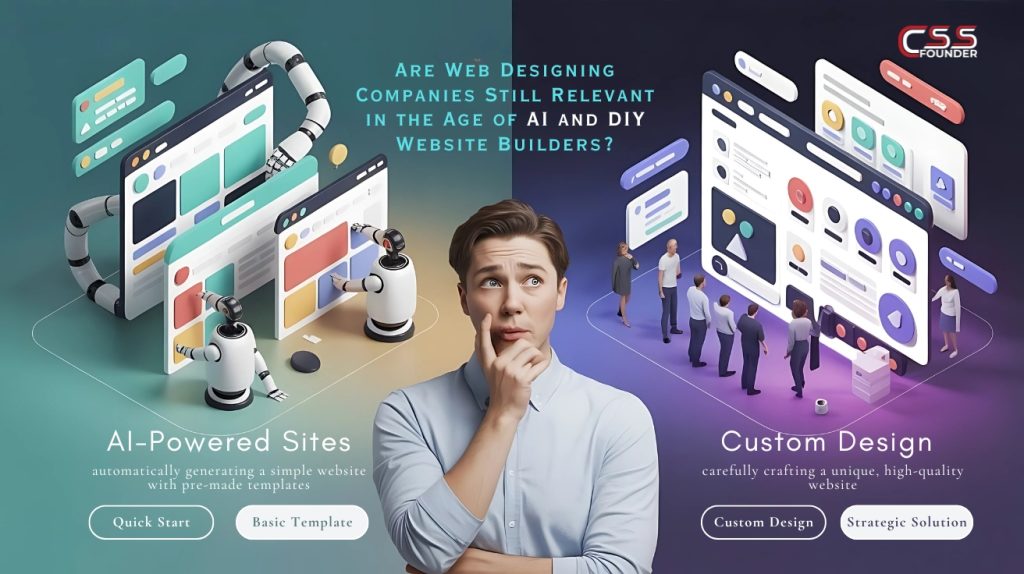
Artificial Intelligence (AI) is no longer a futuristic concept — it’s already transforming industries across the globe. From healthcare to finance, businesses are leveraging AI to automate processes, improve customer experiences, and make smarter decisions. But one area where AI’s impact will be truly revolutionary is web development. For businesses, startups, and e-commerce brands looking to scale online, understanding how AI will reshape websites is crucial. Partnering with a professional website designing company in Delhi can ensure that your business stays ahead of this technological curve. 1. Smarter Website Design with AI Tools AI-powered platforms can now generate entire website layouts based on user input. These tools analyze industry trends, user behavior, and design best practices to create smart, conversion-focused websites. 2. Enhanced User Experience (UX) AI enables websites to deliver personalized browsing experiences. Imagine a website that adjusts its content, colors, or navigation based on each visitor’s behavior. This level of personalization can increase user retention and sales significantly. 3. Improved Search Engine Optimization (SEO) Search engines are becoming smarter with AI integration. Google’s algorithms now prioritize user intent, content quality, and experience signals. A skilled website designing company in Delhi can blend AI-driven SEO tools with expert strategies to achieve long-term rankings. 4. Automation in Web Development Repetitive coding tasks can be handled by AI-powered assistants, speeding up development timelines. Developers can focus more on creative problem-solving while AI manages code suggestions, bug fixes, and security patches. 5. Security & Fraud Detection Cybersecurity will be a top concern for businesses in the future. AI can monitor unusual activities on websites in real-time, preventing hacks, malware, and data breaches before they escalate. 6. Future-Proofing Businesses AI in web development is not just a trend — it’s the future. Businesses that adapt early will enjoy stronger customer engagement, better conversions, and improved brand credibility. If you’re a business owner, startup, or e-commerce brand, collaborating with a trusted website designing company in Delhi like CSS Founder will help you integrate AI-driven solutions seamlessly into your digital presence. FAQs Q1. How will AI impact web development jobs? AI will automate repetitive coding but will also create new opportunities for developers to work on more complex, innovative tasks. Q2. Can small businesses benefit from AI in web development? Yes, AI tools can help small businesses create cost-effective, user-friendly websites with smart features like chatbots and personalized recommendations. Q3. Why should I hire a website designing company in Delhi instead of DIY tools? While AI DIY tools are useful, a professional company like CSS Founder ensures your site is customized, SEO-optimized, scalable, and future-proof for long-term growth. Conclusion AI is reshaping the web development industry at an unprecedented pace. From smart designs to enhanced user experiences and stronger security, its impact is undeniable. To stay competitive in this evolving landscape, partnering with a forward-thinking website designing company in Delhi can help you leverage AI effectively and grow your business online.

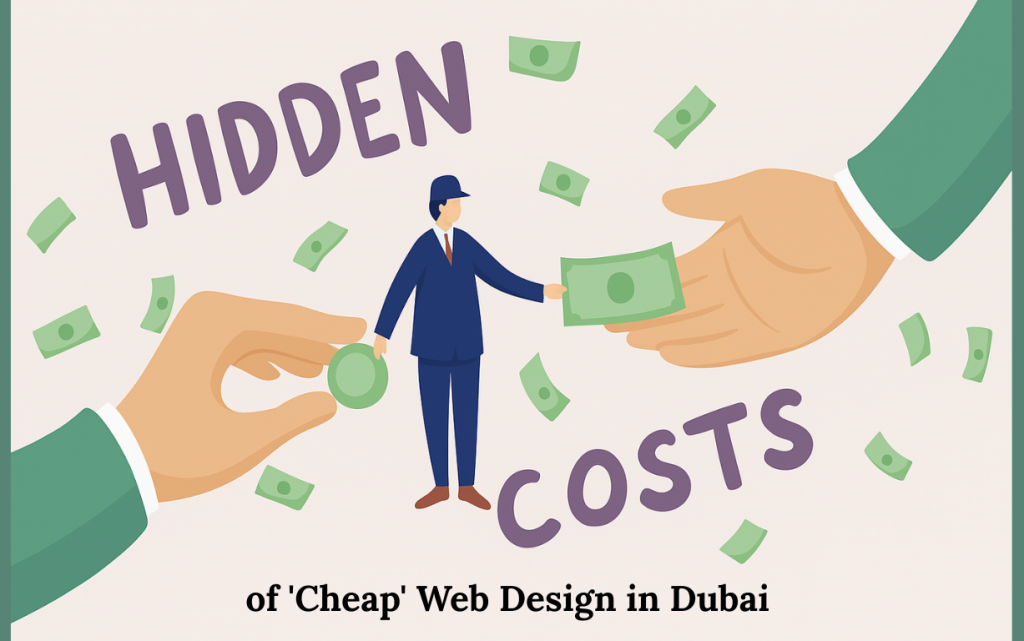
The Hidden Costs of ‘Cheap’ Web Design in Dubai: What You Need to Know Before You Build

Dubai’s business landscape moves at lightning speed, and in this digital-first economy, your website often determines whether a potential customer chooses you or your competitor. I’ve witnessed countless Dubai entrepreneurs make the same costly mistake—choosing the cheapest web design option available, thinking they’re being smart with their budget. The reality? What appears to be a bargain upfront usually becomes an expensive nightmare down the road. Poor search engine visibility, security vulnerabilities, frustrated customers, and missed sales opportunities are just the beginning of problems that stem from cutting corners on web design. Your website isn’t just another business expense—it’s your digital storefront, your 24/7 salesperson, and often the first impression potential customers have of your brand. Getting it right from the start isn’t just smart business; it’s essential for survival in Dubai’s competitive market. Why Cheap Web Design Feels Like a Smart Choice (Spoiler: It’s Not) Let’s be honest—when you’re starting a business or trying to control costs, a $500 website sounds infinitely better than a $5,000 one. The sales pitch is compelling: “Get online fast!” They promise your website will be live within days, not weeks. “Everything included!” The package seems to cover all the basics you need. “Save thousands!” Compared to professional agencies, the savings look substantial. But here’s what I’ve learned after seeing hundreds of Dubai businesses go through this cycle: a website isn’t a one-time purchase you can forget about. It’s a living, breathing part of your business that needs to perform, adapt, and grow with you. When you choose cheap, you’re not just saving money—you’re often buying a whole lot of problems. The Real Price of Going Cheap: Hidden Costs That Add Up Fast 1. Invisible to Google = Invisible to Customers Search engine optimization isn’t an add-on feature—it’s the foundation that determines whether anyone will ever find your website. Most budget web designers treat SEO as an afterthought, if they consider it at all. What gets overlooked: The consequence? Your beautiful new website sits on page 10 of Google search results, where virtually no one will ever find it. You’ll end up spending more on advertising and SEO fixes than you would have on proper design initially. 2. Security Nightmares That Kill Trust Instantly Cheap websites are hackers’ favorite targets. When developers cut costs, security is often the first corner they cut. Basic SSL certificates might be skipped, outdated plugins remain unpatched, and security monitoring is non-existent. I’ve seen Dubai businesses lose everything—customer data, reputation, and revenue—because their cheap website became a gateway for cybercriminals. The cost of recovering from a security breach isn’t just financial; it’s the trust you may never win back. 3. Frustrated Visitors Who Never Return Dubai has one of the world’s highest smartphone usage rates, with most people browsing on mobile devices. Yet many budget websites still treat mobile as an afterthought, creating clunky, slow experiences that drive customers away. Research shows that 53% of users abandon websites that take longer than 3 seconds to load. When your site is slow, unresponsive, or difficult to navigate, you’re not just losing visitors—you’re training them to choose your competitors. 4. The “Cheap” Illusion: Hidden Fees Everywhere That $500 website quote rarely includes everything you actually need: Before you know it, the “affordable” option has nickel-and-dimed you into spending more than professional services would have cost, but with inferior results. 5. Growth Limitations That Stunt Your Business Templates and basic website builders work fine for a simple brochure site, but what happens when your Dubai business grows? When you need to add e-commerce functionality, integrate with local payment systems, or expand your services? Most cheap websites can’t adapt or scale. You’ll face the expensive reality of starting over completely, rebuilding everything from scratch—essentially paying twice for something you should have gotten right the first time. Why Professional Web Design Pays for Itself Investing in quality web design isn’t about paying more—it’s about getting more value. Professional websites consistently outperform cheap alternatives in measurable ways: Search Engine Performance: Properly optimized sites rank higher and attract more organic traffic, reducing your need for paid advertising. Conversion Rates: Professional design and user experience optimization can double or triple the percentage of visitors who become customers. Credibility Factor: In Dubai’s sophisticated market, your website’s quality directly impacts how trustworthy and professional customers perceive your business. Long-term Value: A well-built website grows with your business, adapting to new needs without requiring complete rebuilds. What Actually Drives Web Design Costs (And Why It Matters) Understanding what you’re paying for helps you make smarter decisions. Professional web design costs reflect: Strategic Planning: Time spent understanding your business, audience, and goals before any coding begins. Custom Design: Original layouts and user experiences tailored to your brand and customers, not generic templates. Technical Excellence: Clean, efficient code that loads fast, works on all devices, and ranks well in search engines. Content Strategy: Professional copywriting and optimization that speaks to your Dubai audience and search engines. Security Implementation: Robust protection measures that keep your site and customer data safe. Ongoing Partnership: Continued support, updates, and optimization to ensure long-term success. Making the Right Choice for Your Dubai Business The question isn’t whether you can afford professional web design—it’s whether you can afford not to invest in it. In a market as competitive as Dubai, your website is often the deciding factor in whether customers choose you or your competitors. Before making your decision, ask yourself: Your Website Is Your Business’s Digital Foundation Building a website is like building a house—you can use cheap materials and shortcuts, but you’ll pay for it later when the foundation cracks and the structure fails. Your website is the digital foundation of your business, and like any foundation, it needs to be built right from the start. Professional web design isn’t an expense—it’s an investment in your business’s future. It’s the difference between a website that works for you and one that works against you. When you’re ready to build a website that actually drives results and

Our Global Presence

Application Links

Our Office

Noida One, Tower C 210 & 211, Building, Sector 62, Uttar Pradesh 201301

United Arab Emirates - Dubai

Office No 1 Al Zaman Bld, Al Nabaah Sharjah - Sharjah - United Arab Emirates

Email Addresses

info@cssfounder.ae

Copyright 2025 © CssFounder.com All Rights Are Reserved. Promoted By : PromoteDial India | SEO Company India

Stay In Touch