Website Development Cost in Australia: A Comprehensive Guide

In today’s digital age, having a strong online presence is crucial for businesses of all sizes. A well-designed website can be a powerful tool for attracting customers, showcasing products or services, and driving growth. However, one of the first questions that comes to mind when considering a new website is: “How much will it cost?” This article aims to provide a detailed overview of website development costs in Australia, helping you understand the factors that influence pricing and what to expect when budgeting for your project. Cost Ranges for Different Website Types While costs can vary widely, here are some general price ranges for different types of websites in Australia: Basic Informational Website (5-10 pages): – Cost Range: AUD 2,000 – AUD 8,000 Ideal for small businesses or personal sites Typically uses pre-made templates with some customization Small Business Website (10-20 pages):Cost Range: AUD 5,000 – AUD 15,000 Includes more custom design elements and basic functionality May include a simple content management system Corporate Website (20-50 pages): Cost Range: AUD 10,000 – AUD 30,000 Features custom design, more complex functionality, and advanced content management May include features like team member profiles, blog integration, and multi-language support E-commerce Website: Cost Range: AUD 15,000 – AUD 100,000+ Varies greatly depending on the number of products and complexity of features Includes product management, payment gateway integration, and often custom design Custom Web Application: Cost Range: AUD 30,000 – AUD 250,000+ Highly variable based on complexity and specific requirements Involves custom development, unique features, and often integrates with other systems Using pre-made templates with minimal customization. Design Requirements: Template-based design: AUD 1,000 – AUD 5,000 Custom design: AUD 5,000 – AUD 20,000+ Involves creating a unique look and feel, often with brand-specific elements and user experience considerations. Factors Affecting Website Development Costs Several key factors contribute to the overall cost of website development in Australia: Website Complexity: The more complex your website, the higher the cost. A simple brochure-style site will be less expensive than an e-commerce platform with hundreds of products. Design Requirements: Custom designs are more costly than template-based solutions. The level of uniqueness and sophistication in your design will impact the price. Functionality: Advanced features like user accounts, payment gateways, or custom applications will increase development costs. Content Management System (CMS): The choice of CMS (e.g., WordPress, Drupal, or a custom solution) can affect both initial development costs and ongoing maintenance expenses. Responsive Design: Ensuring your website works well on all devices is standard practice but may add to the overall cost. SEO Optimization: Initial search engine optimization can be included in the development process, affecting the final price. Content Creation: If you need help with copywriting, photography, or video production, these services will add to the total cost. Developer Expertise: More experienced developers typically charge higher rates but may deliver better quality and efficiency. Additional Costs to Consider When budgeting for website development, it’s important to factor in these additional costs: Domain Name: AUD 10 – AUD 50 per year Web Hosting: AUD 100 – AUD 1,000+ per year, depending on your needs SSL Certificate: AUD 0 – AUD 200+ per year (some hosts offer free certificates) Ongoing Maintenance: AUD 500 – AUD 5,000+ per year Content Updates: Varies based on frequency and complexity Marketing and SEO: Can range from a few hundred to thousands of dollars per month Choosing the Right Development Partner Selecting the right web development partner is crucial for the success of your project. Consider the following when making your choice: Experience: Look for developers with a strong portfolio in your industry or similar project types. Technical Expertise: Ensure they have experience with the technologies your project requires. Communication: Choose a partner who communicates clearly and understands your vision. Support: Consider their ability to provide ongoing support and maintenance. Pricing Structure: Understand their pricing model (fixed price, hourly rate, or retainer) and what’s included. Tips for Managing Costs To keep your website development costs under control: Clearly define your requirements before approaching developers. Prioritize features and consider a phased approach to development. Choose a scalable solution that can grow with your business. Consider open-source platforms to reduce licensing costs. Provide your own content to reduce copywriting expenses. Invest in quality development to avoid costly fixes later. Conclusion Website development costs in Australia can vary significantly based on your specific needs and the complexity of your project. While it’s possible to create a basic website for a few thousand dollars, more complex projects can easily run into tens of thousands or even hundreds of thousands of dollars. By understanding the factors that influence costs and carefully planning your project, you can make informed decisions that balance your budget with your business needs. Remember that your website is an investment in your business’s future. A well-designed, functional website can provide significant returns through increased visibility, customer engagement, and sales. Take the time to research your options, clearly define your requirements, and choose a development partner who can bring your vision to life within your budget.
Corporate Website Development Cost in Doha: A Comprehensive Overview

As Qatar’s capital and economic hub, Doha is witnessing a digital transformation across various sectors. For businesses operating in this dynamic city, a robust online presence is no longer optional but a necessity. A corporate website serves as a digital flagship, representing your brand to both local and global audiences. However, understanding the costs associated with website development in Doha can be challenging. This article aims to provide a detailed breakdown of the factors influencing website development costs and offer insights to help businesses budget effectively. Cost Ranges for Website Development in Doha While costs can vary widely based on the factors mentioned above, here’s a general overview of what businesses might expect to pay for website development in Doha: Basic Corporate Website: QAR 10,000 – QAR 30,000 Suitable for small businesses or startups, these websites typically include 5-10 pages with basic information about the company, services, and contact details. Mid-Range Corporate Website: QAR 30,000 – QAR 100,000 These websites offer more advanced features, custom designs, and possibly basic e-commerce functionality or content management systems. High-End Corporate Website: QAR 100,000 – QAR 300,000+ Complex websites with advanced functionality, custom designs, e-commerce platforms, and extensive content management systems fall into this category. Enterprise-Level Solutions: QAR 300,000+ Large corporations requiring highly customized, scalable web solutions with advanced features and integrations can expect costs to exceed QAR 300,000. Additional Costs to Consider Domain Registration and Hosting Annual costs for domain registration and hosting can range from QAR 500 to QAR 5,000+, depending on the hosting package and domain type. Hosting within Qatar may be required for certain businesses, which can affect costs. Maintenance and Updates Regular maintenance, security updates, and content updates can cost between QAR 1,000 to QAR 10,000 per month, depending on the complexity of your website and the level of support required. Content Creation Professional copywriting and multimedia content creation can significantly impact your budget, with costs varying based on the amount and quality of content needed. This is particularly important for multilingual websites. Digital Marketing While not strictly part of website development, many businesses in Doha bundle their website launch with digital marketing services, which can range from QAR 5,000 to QAR 50,000+ per month. Key Factors Affecting Website Development Costs in Doha Scope and Complexity The scope of your website project is the primary determinant of its cost. A basic informational website will be significantly less expensive than a complex e-commerce platform or a custom web application. The number of pages, features, and functionalities directly impact the development time and, consequently, the cost. Design Requirements Custom designs tailored to your brand identity will increase costs compared to using pre-made templates. High-end designs with unique user interfaces, animations, and interactive elements require more time and specialized skills, thus commanding higher prices. Content Management System (CMS) The choice of CMS affects both initial development costs and ongoing maintenance. Popular options like WordPress or Drupal may be more cost-effective, while custom-built CMS solutions offer greater flexibility but at a higher price point. Responsive Design With mobile internet usage in Qatar being among the highest in the world, responsive design is crucial. Ensuring your website functions seamlessly across various devices and screen sizes adds to the development cost but is essential for user experience and search engine optimization (SEO). E-commerce Functionality If your website requires e-commerce capabilities, expect higher costs due to the need for secure payment gateways, inventory management systems, and integration with local payment methods popular in Qatar. Multilingual Support Given Doha’s diverse expatriate population and international business environment, many companies opt for multilingual websites. This feature increases development time and costs but can significantly expand your reach. SEO and Digital Marketing Integration Incorporating SEO best practices and integrating digital marketing tools from the outset can increase initial costs but provide long-term benefits in terms of visibility and user engagement. Security Features Robust security measures are essential, especially for websites handling sensitive information or e-commerce transactions. Advanced security features will add to the overall cost but are crucial for protecting your business and customers in compliance with Qatar’s cybersecurity regulations. Choosing the Right Developer in Doha The choice of web development agency or freelancer can significantly impact both cost and quality. Doha offers a range of options, from international agencies to local firms and freelancers. When selecting a developer, consider: Portfolio and Experience: Look for developers with experience in your industry and a strong portfolio of similar projects, preferably with local Qatari clients. Technical Expertise: Ensure they have expertise in the technologies and platforms relevant to your project and are familiar with local digital regulations. Communication and Support: Choose a developer who communicates clearly and offers ongoing support, preferably with Arabic language capabilities if needed. Pricing Structure: Understand their pricing model (hourly, project-based, or retainer) and what’s included in the quoted price. Local Understanding: A developer familiar with Doha’s business landscape can provide valuable insights and ensure your website complies with local regulations and cultural sensitivities. Conclusion Investing in a corporate website is crucial for businesses in Doha, but costs can vary significantly based on your specific needs and choices. By understanding the factors that influence website development costs, you can make informed decisions and allocate your budget effectively. Remember that while it’s important to stay within budget, cutting corners on essential features or quality can result in higher costs in the long run.A well-designed, functional website is an investment in your company’s digital presence and can provide substantial returns in terms of brand visibility, customer engagement, and business growth in Doha’s competitive market. As Qatar continues to diversify its economy and embrace digital transformation, particularly in light of major events like the 2022 FIFA World Cup, having a strong online presence becomes even more crucial for businesses looking to thrive in this dynamic environment. When planning your website development project in Doha, consider not just the immediate costs but also the long-term value and potential return on investment. A strategically developed website can serve as a
Unveiling the Cost of Shopify Development in London

As the eCommerce landscape continues to evolve, businesses in London are increasingly recognizing the advantages of having a robust online presence. Shopify, a leading eCommerce platform, has emerged as a popular choice for entrepreneurs and established brands alike. However, one question that often arises is, how much does Shopify development cost in London. In this article we shall discuss deeply about cost factors in shopify. The cost of Shopify development in London can vary significantly depending on several factors, including the complexity of the project, the features and functionalities required, the level of customization needed, and the experience and expertise of the development team. In this article, we’ll explore the various aspects that influence the cost of Shopify development in London and provide you with a comprehensive understanding of what to expect. Shopify Pricing Plans and Monthly Fees: Shopify offers several pricing plans, ranging from the Basic Shopify plan at $29 per month to the Advanced Shopify plan at $299 per month. These plans come with varying levels of features, bandwidth, and transaction fees. It’s essential to choose the plan that aligns with your business needs and growth projections. It’s crucial to carefully evaluate your current requirements and future growth projections to select the most suitable plan. While a lower-tier plan may seem cost-effective initially, it could potentially limit your business’s scalability in the long run, necessitating an upgrade and additional costs. Theme Selection and Customization: Shopify offers a wide range of free and paid themes, which can serve as a starting point for your online store. While free themes can be a cost-effective option, they may require extensive customization to match your brand’s identity and specific requirements. Customizing a theme can range from a few hundred pounds to several thousand pounds, depending on the complexity of the modifications required. The cost of theme customization can range from a few hundred pounds for minor tweaks to several thousand pounds for complete overhauls and custom designs. Factors such as the complexity of the desired changes, the integration of custom functionalities, and the expertise of the development team will all influence the final cost. Custom Functionality and Integrations: Many businesses require custom functionality and integrations to streamline their operations, enhance customer experiences, and improve overall efficiency. These custom features can include custom checkout processes, advanced product filtering, inventory management systems, and integrations with third-party applications such as accounting software, shipping carriers, and marketing tools. The cost of custom functionality and integrations can vary greatly based on the specific requirements and the complexity of the development work involved. The cost of custom functionality and integrations can vary significantly based on the specific requirements and the complexity of the development work involved. Simple integrations or custom features may cost a few hundred pounds, while more complex projects can easily run into the thousands or even tens of thousands of pounds. Migration and Data Transfer: If you’re transitioning from an existing eCommerce platform to Shopify, you’ll need to migrate your product data, customer information, and order history. The cost of migration and data transfer can range from a few hundred pounds for simple migrations to several thousand pounds for more complex scenarios, depending on the volume of data and the complexity of the migration process. Experienced Shopify development agencies in London often have established migration processes and tools to streamline this process, potentially reducing the overall cost and minimizing downtime during the transition. Ongoing Maintenance and Support: After your Shopify store is launched, you’ll need to account for ongoing maintenance and support costs. These costs can include security updates, theme and app updates, performance optimizations, and ongoing technical support. Many London-based Shopify development agencies offer monthly or annual maintenance plans to ensure the smooth operation and security of your online store. Development Agency Rates and Experience: The cost of Shopify development in London can also vary significantly depending on the agency or freelancer you choose to work with. Experienced and reputable agencies with a proven track record of delivering high-quality Shopify solutions tend to charge higher rates than less experienced or freelance developers. However, investing in a reputable agency can provide peace of mind and ensure that your online store is built to meet industry best practices and maximize your return on investment. While it’s difficult to provide an exact figure for the cost of Shopify development in London, a general guideline for a basic online store with limited customization and functionality can range from £2,000 to £5,000. For more complex projects with extensive custom functionality, integrations, and branding requirements, the cost can range from £10,000 to £50,000 or even higher, depending on the scope and complexity of the project. It’s essential to have a clear understanding of your business requirements and growth projections when embarking on a Shopify development project. Working with a reputable London-based Shopify development agency can help you navigate the process, understand the costs involved, and ensure that your online store is built to meet your specific needs and deliver a seamless shopping experience for your customers. In conclusion, the cost of Shopify development in London can vary greatly based on various factors, but investing in a well-designed and optimized online store can pay dividends in the long run by improving your online presence, enhancing customer experiences, and driving sales growth.
Website Builder vs Web Developer: Which Is Right for Your Business?

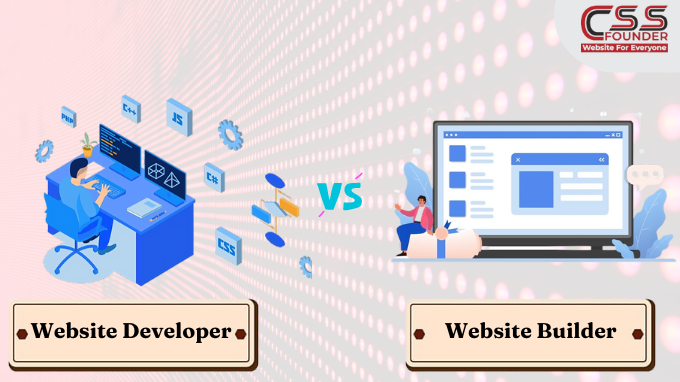
When it comes to getting a website for your small business or startup, you have two main options: use an online website builder platform, or hire a professional web developer. Both paths will get you a functioning website at the end, but they differ significantly in terms of cost, ease of use, flexibility, ownership, and long-term scalability. In this article we shall discuss which is right for your business Website Builder vs Web Developer Website Builders: The Easy, Budget-Friendly DIY Option Website builders like Wix, Squarespace, Weebly and others have exploded in popularity by allowing anyone to build a professional-looking website themselves through a user-friendly drag-and-drop interface. No coding skills is needed to learn. The main appeal of website builders is convenience and ease of use. You simply choose from hundreds of pre-built website templates, then customize the layout, pages, text, images and other elements using the visual editor. Most builders also include e-commerce functionality to set up an online store and accept payments. From a cost perspective, website builders are extremely affordable. Many offer free plans to get started, with upgraded plans that remove third-party ads and unlock more features typically costing between $10-$30 per month. This low-cost model makes website builders very accessible for cash-strapped small businesses and solopreneurs. However, this convenience and affordability comes with some significant trade-offs in terms of flexibility, customization, and control: Limited Design Flexibility While modern website builders allow you to tweak colors, fonts, layouts and more, you are still largely confined to the look-and-feel and core structure defined by that specific theme or template. There are only so many customizations you can make before hitting a ceiling. Restrictive Functionality Most website builders offer integration with common third-party services like Google Analytics, live chat, email marketing tools and more. But overall, you are limited to just the apps, plugins, and features supported by that specific builder platform. Lack of Ownership When you build on a website builder, you don’t actually own the source code for that website. The code belongs to the builder company, which means if they went out of business or made major pricing changes, you could be stuck with limited options to take your site elsewhere. Website Developers: Ultimate Flexibility and Control (At a Cost) On the other end of the spectrum, hiring an experienced web developer or agency gives you a fully customized website tailored precisely to your unique needs and specifications, with no constraints or limitations. Rather than working off templates, the developer will code your entire website completely from scratch.With a custom website, you have unlimited flexibility in terms of: Design The look, layout, and visuals can be designed and built to your exact requirements, not dictated by pre-built templates. Functionality Any specific features, tools, e-commerce integration needs can be developed and coded into your website as required. Optimization From page load speed to SEO best practices, a developer can optimize every aspect of your custom website. Scalability As your business grows, a custom coded website can much more easily evolve and scale via new functionality, add-ons, and upgrades. Of course, this incredible flexibility comes at a cost – generally anywhere from a few thousand dollars for a basic coded site, up to $10,000, $30,000 or more for a highly customized, complex website developed by an agency. But for many established businesses willing to make the investment, a custom coded site is worth the premium price for the unlimited potential. Other Factors When Choosing Builders vs Developers Cost and flexibility are the biggest factors, but there are a few other considerations to keep in mind: Control and Ownership Since you fully own the code for a custom developed site, you have full control to make changes, move hosting providers, and run it as you wish. With website builders, that code belongs to them which limits your ability to make drastic changes or moves. Ongoing Work and Maintenance Website builders handle all core software updates, security patches, and other backend work automatically. This is convenient but also means you’re at the mercy of that platform’s policies and pricing. Custom coded sites require more hands-on technical work and active maintenance from you or the developer to keep everything updated and secure over time. So in summary, using an online website builder is definitely the faster, easier, and much more affordable option for getting a website up and running quickly. The trade-off is being confined to the limitations and walled garden of that specific builder platform. Hiring a web developer gives you full flexibility to create any custom website you can dream up, along with unlimited scalability for future growth. But of course, this maximum control and versatility comes at a much higher investment of time and money. Conclusion The right choice for your business will depend on your specific needs, goals, technical requirements, and budget. Many businesses start with a website builder while getting established, then graduate to a custom developed solution as they scale. But there’s no one-size-fits-all here – carefully evaluate your priorities to choose the best approach.
Why you should consider Shopify Store Migration ?

E-commerce platforms have revolutionized the way companies sell their products and services, providing them with a global reach and endless opportunities for growth. Among these platforms, Shopify has emerged as a leader, offering a comprehensive suite of tools and features that empower businesses to create, manage, and scale their online stores with ease. However, for businesses already established on other e-commerce platforms, the question always arises. In this article, we will delve into why you should consider Shopify store migration Advantages of Shopify Store Migration: User-Friendly Interface: The platform is designed with simplicity and intuition in mind, making it easy for business owners to navigate and manage their online stores, even without extensive technical knowledge. The clean and clutter-free dashboard allows you to access all the essential features and settings with just a few clicks, saving you time and effort in managing your store’s day-to-day operations. This user-friendly design enables you to focus on growing your business and delivering exceptional customer experiences rather than getting bogged down by complex technical tasks. Customizable Themes: Shopify offers a wide range of professionally designed themes that cater to various industries and aesthetics. These themes are fully customizable, allowing you to tailor your store’s appearance to match your brand’s unique style and identity. Whether you prefer a sleek and modern look or a more traditional and elegant design, Shopify’s theme library has options to suit your needs. The customization process is straightforward, with a drag-and-drop interface that enables you to make changes to your store’s layout, colors, fonts, and other visual elements without requiring coding skills. This flexibility empowers you to create a visually stunning and engaging online store that stands out from the competition and leaves a lasting impression on your customers. Robust Features and Apps: Shopify comes equipped with a comprehensive set of built-in features that streamline your e-commerce operations. From inventory management and order processing to payment gateway integration and shipping options, Shopify provides a robust framework to handle all aspects of your online business. Additionally, the Shopify App Store offers a vast collection of third-party apps that can extend the functionality of your store even further. Whether you need advanced marketing tools, customer relationship management systems, or specialized features specific to your industry, chances are there’s an app available to meet your requirements. This extensive app ecosystem allows you to customize and enhance your store’s capabilities, giving you a competitive edge in the market. Scalability: As your business grows and expands, Shopify’s infrastructure is designed to scale alongside you. The platform is built to handle high-volume transactions and traffic spikes, ensuring that your store remains fast, responsive, and reliable even during peak periods. Shopify’s cloud-based architecture eliminates the need for you to worry about server maintenance, software updates, or technical infrastructure, allowing you to focus on growing your business without any limitations. Whether you’re a small startup or a large enterprise, Shopify’s scalability ensures that your store can accommodate increasing demand and support your long-term growth objectives. Security and Reliability: When it comes to online transactions and customer data, security is of utmost importance. Shopify prioritizes the safety and privacy of your store and its users by providing top-notch security measures. The platform offers built-in SSL certificates, ensuring that all data transmitted between your store and your customers’ browsers is encrypted and protected from unauthorized access. Shopify is also fully PCI compliant, meaning it adheres to the strict security standards set by the payment card industry to safeguard sensitive payment information. Regular software updates and security patches are applied automatically, keeping your store protected against potential threats and vulnerabilities. By leveraging Shopify’s robust security infrastructure, you can build trust with your customers and provide them with a safe and secure shopping experience. Considerations Before Migrating: Cost Implications: While Shopify offers competitive pricing plans, it’s essential to carefully evaluate the total cost of migrating your store. In addition to the monthly subscription fee, there may be additional expenses to consider, such as theme customization, app subscriptions, and any specialized features or integrations you require. It’s crucial to assess your budget and ensure that the long-term benefits of migrating to Shopify justify the initial investment. Take into account the potential savings you may achieve through Shopify’s efficient operations. Data Migration Process: Migrating your existing store data, including products, customer information, and order history, is a critical aspect of the migration process. Depending on the complexity of your current setup and the volume of data involved, this process can be time-consuming and require careful planning. It’s essential to ensure that all data is accurately transferred to Shopify without any loss or inconsistencies. Enlisting the help of a professional migration service or experienced developer can streamline the process and minimize the risk of data-related issues. Learning Curve and Training: Although Shopify is known for its user-friendly interface, there may still be a learning curve involved in familiarizing yourself and your team with the platform’s features and functionality. It’s important to allocate sufficient time and resources for training and exploration to ensure a smooth transition. Shopify provides extensive documentation, tutorials, and support resources to help you navigate the platform effectively. Consider organizing training sessions for your staff to get them up to speed with Shopify’s tools and best practices. By investing in proper training, you can minimize disruptions to your operations and enable your team to leverage Shopify’s capabilities to their fullest potential. Customization Limitations: While Shopify offers a high degree of customization through its themes and app ecosystem, there may be certain limitations compared to other e-commerce platforms or custom-built solutions. It’s crucial to assess your specific business requirements and ensure that Shopify can accommodate your unique needs. If you have highly specialized functionalities or integrations that are essential to your business, it’s worth exploring whether Shopify can support them natively or through third-party apps. In some cases, you may need to make compromises or find alternative solutions to achieve your desired customization level. App Ecosystem Compatibility: Shopify boasts an extensive app
CMS vs Frameworks: Which One is Best for Web Development in 2024?

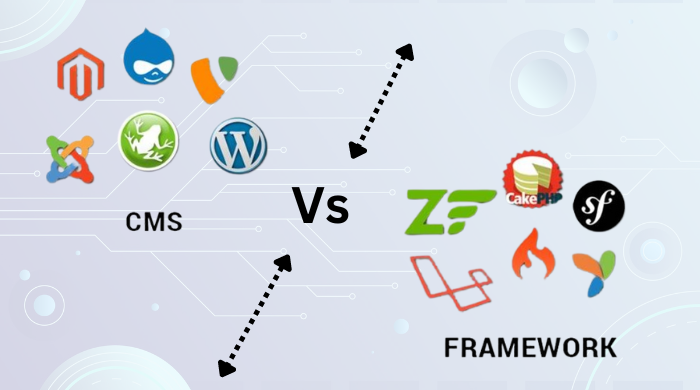
In the ever-evolving world of web development, two prominent approaches have gained significant traction: Content Management Systems (CMS) and Frameworks. While both serve the purpose of building websites and web applications, they differ in their core functionalities, underlying architectures, and suitability for various project requirements. In this article, we’ll explore the strengths and limitations of CMS Vs Framework approach, helping you determine which one aligns best with your web development goals. Content Management Systems (CMS) A Content Management System (CMS) is a software application designed to simplify the creation, management, and modification of digital content. CMSs are primarily used for building websites and blogs, enabling users with varying technical expertise to create, edit, and publish content without delving into the intricacies of coding. Popular examples of CMSs include WordPress, Joomla, Drupal, and Magento (for e-commerce). These platforms offer user-friendly interfaces, pre-built templates, and a vast ecosystem of plugins and extensions that extend their functionality. Advantages of Using a CMS: Ease of Use: CMSs provide a user-friendly interface, making it easier for non-technical users to manage website content. Content-Focused: CMSs are designed specifically for content management, making them ideal for websites and blogs that prioritize content creation and delivery. Extensibility: Many CMSs offer a wide range of plugins and extensions that can enhance functionality, from e-commerce capabilities to social media integration. Rapid Development: With pre-built templates and tools, CMSs enable faster website development compared to building from scratch. Limitations of CMSs: Limited Customization: While CMSs offer plugins and themes, extensive customization may require substantial coding or compromises in design and functionality. Performance Issues: As CMSs become more feature-rich, their performance can degrade, especially for large or complex websites. Security Concerns: Popular CMSs can be targets for hackers, requiring regular updates and security patches. Frameworks A web development framework is a collection of pre-written code, libraries, and tools that provide a structured environment for building web applications. Frameworks offer a solid foundation and a set of conventions that developers can leverage to streamline the development process. Popular examples of web development frameworks include React, Angular, Vue.js (for front-end development), Django, Ruby on Rails, and Laravel (for back-end development). Advantages of Using Frameworks: Increased Productivity: Frameworks provide a solid foundation and a set of conventions, reducing the need to reinvent the wheel and allowing developers to focus on building application-specific features. Scalability and Performance: Many frameworks are designed with scalability and performance in mind, enabling the development of large-scale, high-performance applications. Community Support: Popular frameworks often have active communities that contribute to their development, provide documentation, and offer support. Consistency and Maintainability: Frameworks promote consistent coding practices and architectural patterns, making it easier to maintain and scale applications over time. Limitations of Frameworks: Steep Learning Curve: Frameworks often require a significant learning curve, especially for developers new to the framework’s conventions and patterns. Vendor Lock-in: Adopting a specific framework can lead to vendor lock-in, making it difficult to switch to alternative solutions in the future. Potential Overhead: Frameworks can introduce overhead in terms of file size and performance, especially if not optimized or used efficiently. Limited Flexibility: While frameworks provide structure and conventions, they may also impose constraints on how applications are built, potentially limiting flexibility in certain scenarios. Choosing Between CMS and Frameworks The preference among a CMS and a framework in the end relies upon at the unique necessities of your concern project. Choose a CMS if: Your primary focus is on content creation and management (e.g., blogs, news websites, corporate websites). You need a user-friendly interface for non-technical users to manage content. You require a quick setup and deployment process. Your project has limited customization requirements or can be achieved through available plugins or extensions. Choose a Framework if: You’re building a complex web application with advanced functionality and custom features. Performance and scalability are critical requirements for your project. You have a team of experienced developers familiar with the framework’s conventions and patterns. Your project requires a high degree of customization and flexibility. You prioritize long-term maintainability and scalability over rapid initial development. It’s important to note that the decision between a CMS and a framework is not always an either-or scenario. In some cases, a hybrid approach can be adopted, where a CMS is used for content management, while a framework is integrated for building custom features or handling complex application logic. Ultimately, the choice between a CMS and a framework should be driven by a thorough understanding of your project requirements, available resources, and the specific strengths and limitations of each approach. By carefully evaluating your needs and aligning them with the appropriate solution, you can ensure a successful and efficient web development process.
Why Shopify is the Best Ecommerce Platform for Building Your Online Store In 2024

As the world business website moving more towards ecommerce, having a strong online presence is crucial for businesses of all sizes. Whether you’re a small local shop or a large international brand, an ecommerce platform can help you reach customers, sell products, and grow your business. One of the most popular and powerful ecommerce platforms on the market today is Shopify. Shopify has become the first choice for businesses looking to build a professional, feature-rich online store. In this article, we’ll explore why Shopify is the best ecommerce platform for building your online store. Ease of Use Shopify’s intuitive drag-and-drop website builder makes it easy for even those with no coding or design experience to create a stunning online store. The platform’s clean and modern templates provide a solid foundation, while the customization options allow you to tailor the look and feel to your brand. Shopify’s admin dashboard is also incredibly straightforward and easy to navigate. From here, you can manage your product catalogue, process orders, track sales, and more – all without having to deal with the complexities of web development or server management. Robust Ecommerce Features Shopify was built from the ground up as an ecommerce platform, so it comes packed with a wide range of features specifically designed to support online sales. Some of the key ecommerce features included with Shopify are as they have Secure checkout with support for all major payment gateways, abandoned cart recovery to help recoup lost sales, Powerful inventory management tools, discounts, coupons, and gift cards, Seamless integration with shipping carriers, detailed sales and analytics reporting. These features, and many more, make it easy to run a professional, full-featured online store right out of the box. Scalability and Reliability As your business grows, you need an ecommerce platform that can scale to meet your needs. Shopify is built to handle high volumes of traffic and sales, with best possible uptime guarantee. The platform automatically handles server management, security updates, and backups, so you don’t have to worry about the technical side of running an online store. Shopify also offers a range of pricing plans to suit businesses of all sizes, from the Shopify Lite plan for small and new businesses, to the advanced Shopify Plus plan for the enterprise-level ecommerce. Extensive App Ecosystem One of the biggest advantages of the Shopify platform is its massive app ecosystem. Shopify’s App Store offers thousands of apps and integrations that allow you to extend the functionality of your online store. Whether you need to integrate your store with popular accounting software, implement an advanced loyalty program, or add customer reviews – there’s likely a Shopify app to help. This flexibility ensures you can build the exact ecommerce solution your business needs. Many of these apps are also developed by Shopify’s own team, ensuring a high level of quality and seamless integration. Multichannel Selling In today’s omnichannel retail landscape, it’s important to be able to sell your products across multiple platforms. Shopify makes this easy with its multichannel selling capabilities. Shopify integrates with popular marketplaces like Amazon and eBay allowing you to list and manage your products in these additional sales channels directly from your Shopify dashboard. You can also sell on Facebook, Instagram, and other social media platforms. This multichannel approach helps you reach more consumers and maximize your sales potential. Outstanding Support When you’re running an online business, issues can arise at any time. That’s why Shopify provides outstanding 24/7 support to help you troubleshoot problems and get your store back up and running. Shopify’s support team is highly knowledgeable and responsive, and they offer assistance via phone, email, and live chat. The platform’s extensive knowledge base and community forums also provide a wealth of self-help resources. Additionally, Shopify has a global network of expert Shopify Partners who can provide professional web development, design, and marketing services to help you get the most out of the platform. Conclusion In conclusion, Shopify is the best ecommerce platform for building your online store. With its ease of use, robust feature set, scalability, app ecosystem, multichannel selling capabilities, and outstanding support, Shopify provides everything you need to create a successful and profitable online business. If you’re looking to take your business online or upgrade your existing ecommerce presence, Shopify is the clear choice.
What desired skills are required for an aspiring web developer in 2024?

In today’s digital world, web development has become a vital skill in high demand. As more and more businesses and organizations establish an online presence, the need for skilled web developers continues to grow. But what desired skills are required for an aspiring web developer? Let’s have a deep insight at the key skills that web developers need to have in their toolkit: 1. Programming Languages and Frameworks At the core of web development is the ability to write clean, efficient code. Web developers need to be proficient in a variety of programming languages, such as HTML, CSS, JavaScript, PHP, Python, and Ruby. They should also be familiar with popular web development frameworks like React, Angular, Vue.js, Laravel, and Django, which can accelerate the development process and provide a structured approach. 2. Responsive Design In the mobile-first era, it’s critical for web developers to have a strong understanding of responsive design. This means being able to create websites and web applications that adapt seamlessly across different devices and screen sizes, providing an optimal user experience no matter how someone is accessing the content. 3. Database Management Many web applications require the ability to store, retrieve, and manipulate data. Web developers need to have database management skills, including knowledge of SQL (Structured Query Language) and experience working with relational databases like MySQL, PostgreSQL, or cloud-based options like Amazon RDS or Google Cloud SQL. 4. Version Control Effective web developers leverage version control systems like Git to manage changes to their codebase. This allows them to collaborate with other team members, track code changes, revert to previous versions if needed, and streamline the development workflow. 5. Testing and Debugging Web developers must be skilled in testing their code to identify and fix bugs or errors. This includes both manual testing and automated testing frameworks. They should also be adept at using browser developer tools and debuggers to diagnose and resolve issues in the front-end and back-end of an application. 6. User Experience (UX) Design While web developers may not be the ones designing the user interface, they need to have a strong understanding of UX principles. This includes elements like intuitive navigation, accessibility, responsiveness, and overall visual appeal. The ability to translate UX designs into functional, high-quality code is crucial. 7. Security As web applications handle sensitive user data and are exposed to potential cyber threats, web developers must prioritize security. This means implementing secure coding practices, understanding common vulnerabilities (e.g., cross-site scripting, SQL injection), and incorporating measures like encryption, input validation, and access controls. 8. Continuous Learning The world of web development is subject to transform new technologies; frameworks shape up the web developer learning culture. Successful web developers demonstrate a willingness to continuously learn and adapt. They stay up-to-date with industry trends, experiment with new tools and techniques, and are eager to expand their skillset. 9. Collaboration and Communication While web development is often a technical discipline, web developers must also possess strong communication and collaboration skills in order to convey strong message with another department. They need to be able to work effectively with designers, project managers, stakeholders, and other team members to understand requirements, provide updates, and deliver high-quality solutions. 10. Problem-Solving and Critical Thinking At the heart of web development is the ability to solve problems. Web developers need to be adept at breaking down complex issues, analysing data, identifying root causes, and implementing creative solutions. Critical thinking skills, creativity, and a methodical approach are essential. These are the key skills that web developers should strive to develop and refine. Of course, the specific skill set required may vary depending on the project, the organization, and the web developer’s role (e.g., front-end, back-end, full-stack). But mastering this core set of competencies will put web developers in a strong position to excel in their careers. As the demand for web development continues to grow, individuals with these skills will be well-positioned to take advantage of the numerous opportunities in this dynamic and rewarding field. Whether you’re just starting your journey in web development or looking to enhance your existing skillset, focusing on these essential abilities will help you become a more valuable and much improved web development professional.
What is website development?

In today’s digital age, websites have become an integral part of our lives. Whether it’s shopping, gathering information, or connecting with others, we rely on websites to meet our various needs. But have you ever wondered how these virtual spaces come into existence? Welcome to the fascinating world of website development! In this blog, we will embark on a journey to unravel the essence of website development, exploring its significance, the key elements involved, and the process behind crafting remarkable online experiences. Understanding Website Development Website development encompasses a broad range of activities involved in creating, designing, building, and maintaining a website. It is the art and science of giving life to an idea, enabling individuals and businesses to establish their digital presence. From simple personal blogs to complex e-commerce platforms, website development forms the foundation upon which the virtual realm thrives. Key Elements of Website Web Design: Web design focuses on the visual aspects of a website, encompassing layout, color schemes, typography, and overall user experience. It aims to create an engaging interface that captures the attention of visitors and guides them seamlessly through the site’s content. Front-End Development: Front-end development deals with the client-side of websites, primarily focusing on user interaction and visual elements. It involves using languages like HTML, CSS, and JavaScript to build the structure, style, and functionality of web pages, ensuring they are responsive, intuitive, and aesthetically pleasing. Back-End Development: Back-end development pertains to the server-side of websites, where the behind-the-scenes magic happens. It involves building the database, server, and application logic that power the website. Languages like Python, PHP, Ruby, and frameworks such as Django and Ruby on Rails are commonly used in this domain. Content Management System (CMS): A CMS is a software tool that facilitates the creation, modification, and management of website content. It allows users to update content without extensive technical knowledge, enabling efficient content publishing and maintenance. In our increasingly digital world, having a strong online presence is crucial for individuals and businesses alike. And at the heart of every successful online venture lies web development. Web development is an indispensable component of online success in today’s digital landscape. From establishing a global presence and enhancing your brand identity to fostering customer engagement and driving conversions, web development empowers businesses and individuals to leverage the power of the internet effectively. By investing in professional web development services and staying abreast of the latest trends and technologies, you can unlock the true potential of your online ventures and stay ahead in the dynamic and ever-evolving world of the web. Global Reach and Accessibility: One of the primary reasons web development is essential is its ability to connect you with a global audience. Unlike traditional brick-and-mortar businesses limited by geographical constraints, a website allows you to reach people from all corners of the world. With the right web development strategies, your products, services, or message can be accessible to anyone with an internet connection, enabling you to tap into a vast customer base and expand your reach exponentially. Enhanced Branding and Credibility: In today’s highly competitive digital landscape, a strong online presence is synonymous with credibility and professionalism. Your website is a powerful branding tool that allows you to showcase your unique identity, values, and offerings. A well-designed website with a cohesive visual identity and engaging content not only captivates visitors but also builds trust and establishes your credibility in the eyes of potential customers. Web development plays a crucial role in creating an impactful online brand image that differentiates you from your competitors. Improved Customer Engagement and User Experience: Web development is all about creating an exceptional user experience for your website visitors. By incorporating intuitive navigation, responsive design, and interactive elements, you can enhance customer engagement and ensure visitors have a seamless browsing experience across various devices. A user-friendly website that loads quickly and is easy to navigate keeps visitors engaged, encourages them to explore further, and increases the chances of conversions or desired actions. Effective Marketing and Lead Generation: Web development is not just about aesthetics and functionality; it also serves as a powerful marketing tool. With the right strategies in place, your website can become a hub for lead generation and customer acquisition. By implementing effective call-to-action buttons, lead capture forms, and integrating analytics tools, you can gain valuable insights into your visitors’ behavior and optimize your marketing efforts accordingly. Web development techniques, such as search engine optimization (SEO), ensure that your website ranks well in search engine results, driving organic traffic and increasing your visibility to potential customers. Flexibility and Scalability: Another significant advantage of web development is the flexibility and scalability it offers. A well-built website can adapt and evolve along with your business needs. Whether you want to add new features, expand your product offerings, or update your content, web development allows for seamless integration of new functionalities without compromising the website’s overall performance. This scalability ensures that your website remains relevant and effective as your business grows and evolves. Streamlined Customer Support and Communication: Web development provides opportunities for effective customer support and communication. By incorporating live chat features, contact forms, and interactive elements, you can engage with your customers in real-time, address their queries promptly, and provide personalized assistance. This level of interactivity and responsiveness fosters strong customer relationships, boosts customer satisfaction, and ultimately contributes to your business’s success. What is a website? In the vast realm of the internet, websites are the building blocks that shape our online experiences. From browsing news articles to shopping for products and connecting with friends, websites have become an integral part of our daily lives. But have you ever wondered what exactly a website is and how it functions? Let us unravel the mystery behind websites, exploring their definition, structure, and purpose. Defining a Website: Simply put, a website is a collection of interconnected web pages hosted on the internet. It is a virtual space where individuals, businesses, organizations, and institutions can share information, provide
Is website development easy?

In today’s digital era, having a strong online presence is crucial for businesses, professionals, and even individuals. A well-designed website is often considered the cornerstone of this online presence. It serves as a digital storefront, an information hub, and a means of connecting with customers or visitors. But the question remains: Is website development easy? Well, the answer is not as straightforward as one might think. While website development has become more accessible and user-friendly over the years, it still requires a certain level of skill, knowledge, and dedication. The question of whether website development is easy or not depends on various factors. Basic website creation can be relatively simple with the help of user-friendly platforms, templates, and plugins. However, as the complexity of the website increases, the learning curve and technical expertise required also escalate. Ultimately, if you have the time, willingness to learn, and passion for web development, creating a website can be an enjoyable and rewarding experience. Alternatively, outsourcing the task to experienced professionals can save time and ensure a high-quality end product. Factors that influence the ease or difficulty of website development. A website design company in Bangalore says Website development is a skill that can be learned and mastered with practice and dedication. It offers immense opportunities for creativity and innovation. However, it’s important to recognize that professional-grade websites often require a combination of design, coding, and strategic thinking. Purpose and Complexity The ease of website development largely depends on the purpose and complexity of the website. Building a basic website with a few static pages can be relatively simple, especially with the help of popular website builders and content management systems (CMS) like WordPress or Wix. These platforms provide intuitive drag-and-drop interfaces, pre-designed templates, and a wide range of plugins, making it easier for beginners to create a functional website. However, if you have more specific requirements, such as e-commerce functionality, custom databases, or complex interactivity, the development process becomes more challenging. Advanced web development often involves coding languages like HTML, CSS, JavaScript, and server-side scripting languages like PHP or Python. Learning these languages and acquiring programming skills takes time and effort. Technical Knowledge and Learning Curve While modern website builders simplify the process, some technical knowledge is still necessary to create a professional-looking website. Understanding basic design principles, color schemes, typography, and user experience (UX) can significantly enhance the visual appeal and usability of a website. Furthermore, if you want to customize your website beyond the limitations of templates and plugins, learning coding languages and frameworks becomes essential. The learning curve can vary depending on your prior experience and aptitude for programming. It requires dedication and practice to become proficient in web development, especially for complex functionalities and responsive designs. Maintenance and Updates Website development is not a one-time task; it involves ongoing maintenance, updates, and security measures. Websites need to adapt to changing technologies, browser updates, and evolving user expectations. Regular backups, security audits, and software updates are necessary to keep the website secure and functional. Additionally, search engine optimization (SEO) practices, content updates, and user engagement strategies play a crucial role in ensuring the website remains relevant and visible to the target audience. This ongoing effort can be time-consuming and require a certain level of expertise. Collaboration and Teamwork For larger projects, website development often involves collaboration with multiple stakeholders. This includes designers, developers, content creators, marketers, and project managers. Effective communication, coordination, and teamwork are vital for successful website development. While collaboration can enhance the quality and efficiency of the process, it can also add complexity and potential challenges. Coordinating different skill sets, managing timelines, and aligning the vision of various team members can be demanding. What Do Web Developers Have to Learn? According to the CSS Founder which is known as the best website designing company in Ghaziabad, In the fast-paced realm of web development, the learning journey is a perpetual one. As technology continues to advance, web developers must adapt and grow alongside it. From coding languages to frameworks, design principles to user experience, web developers have a vast array of knowledge to acquire and refine. Web development is a dynamic and ever-evolving field that requires a commitment to continuous learning. From mastering programming languages and frameworks to understanding UX/UI design, accessibility, security, and performance optimization, web developers have a vast range of skills to acquire and refine. Embracing the learning journey and staying updated with emerging trends will enable web developers to thrive, deliver exceptional user experiences, and build innovative web solutions in this digital age. In this section, we will explore some key areas that web developers should focus on to stay relevant and excel in their craft. Programming Languages and Frameworks Web developers need to be proficient in programming languages such as HTML, CSS, and JavaScript, as they form the foundation of web development. Additionally, staying up-to-date with emerging languages and frameworks is crucial. JavaScript frameworks like React, Angular, and Vue.js are widely used, and learning them can enhance a developer’s ability to build dynamic and interactive web applications efficiently. Responsive Web Design With the proliferation of mobile devices, responsive web design is no longer an option but a necessity. Web developers must learn techniques to create websites that adapt seamlessly to different screen sizes and resolutions. Understanding CSS media queries, flexible grids, and fluid images is essential for delivering a consistent user experience across devices. User Experience (UX) and User Interface (UI) Design While web developers are primarily responsible for coding and functionality, having a solid understanding of UX and UI design is becoming increasingly important. Knowing how to create intuitive and visually appealing interfaces, conduct usability tests, and optimize website performance can greatly enhance the overall user experience. Version Control and Collaboration Web developers often work in teams and need to collaborate efficiently. Proficiency in version control systems like Git enables developers to manage code changes, merge contributions, and work seamlessly with others. Understanding concepts like branching, merging, and pull requests is vital for smooth