
What desired skills are required for an aspiring web developer in 2024?
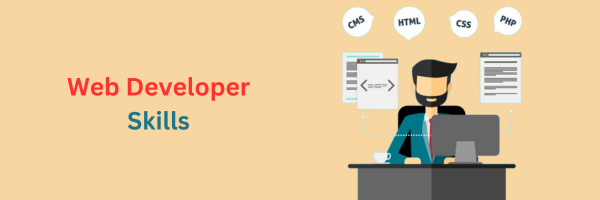
In today’s digital world, web development has become a vital skill in high demand. As more and more businesses and organizations establish an online presence, the need for skilled web developers continues to grow. But what desired skills are required for an aspiring web developer? Let’s have a deep insight at the key skills that web developers need to have in their toolkit: 1. Programming Languages and Frameworks At the core of web development is the ability to write clean, efficient code. Web developers need to be proficient in a variety of programming languages, such as HTML, CSS, JavaScript, PHP, Python, and Ruby. They should also be familiar with popular web development frameworks like React, Angular, Vue.js, Laravel, and Django, which can accelerate the development process and provide a structured approach. 2. Responsive Design In the mobile-first era, it’s critical for web developers to have a strong understanding of responsive design. This means being able to create websites and web applications that adapt seamlessly across different devices and screen sizes, providing an optimal user experience no matter how someone is accessing the content. 3. Database Management Many web applications require the ability to store, retrieve, and manipulate data. Web developers need to have database management skills, including knowledge of SQL (Structured Query Language) and experience working with relational databases like MySQL, PostgreSQL, or cloud-based options like Amazon RDS or Google Cloud SQL. 4. Version Control Effective web developers leverage version control systems like Git to manage changes to their codebase. This allows them to collaborate with other team members, track code changes, revert to previous versions if needed, and streamline the development workflow. 5. Testing and Debugging Web developers must be skilled in testing their code to identify and fix bugs or errors. This includes both manual testing and automated testing frameworks. They should also be adept at using browser developer tools and debuggers to diagnose and resolve issues in the front-end and back-end of an application. 6. User Experience (UX) Design While web developers may not be the ones designing the user interface, they need to have a strong understanding of UX principles. This includes elements like intuitive navigation, accessibility, responsiveness, and overall visual appeal. The ability to translate UX designs into functional, high-quality code is crucial. 7. Security As web applications handle sensitive user data and are exposed to potential cyber threats, web developers must prioritize security. This means implementing secure coding practices, understanding common vulnerabilities (e.g., cross-site scripting, SQL injection), and incorporating measures like encryption, input validation, and access controls. 8. Continuous Learning The world of web development is subject to transform new technologies; frameworks shape up the web developer learning culture. Successful web developers demonstrate a willingness to continuously learn and adapt. They stay up-to-date with industry trends, experiment with new tools and techniques, and are eager to expand their skillset. 9. Collaboration and Communication While web development is often a technical discipline, web developers must also possess strong communication and collaboration skills in order to convey strong message with another department. They need to be able to work effectively with designers, project managers, stakeholders, and other team members to understand requirements, provide updates, and deliver high-quality solutions. 10. Problem-Solving and Critical Thinking At the heart of web development is the ability to solve problems. Web developers need to be adept at breaking down complex issues, analysing data, identifying root causes, and implementing creative solutions. Critical thinking skills, creativity, and a methodical approach are essential. These are the key skills that web developers should strive to develop and refine. Of course, the specific skill set required may vary depending on the project, the organization, and the web developer’s role (e.g., front-end, back-end, full-stack). But mastering this core set of competencies will put web developers in a strong position to excel in their careers. As the demand for web development continues to grow, individuals with these skills will be well-positioned to take advantage of the numerous opportunities in this dynamic and rewarding field. Whether you’re just starting your journey in web development or looking to enhance your existing skillset, focusing on these essential abilities will help you become a more valuable and much improved web development professional.
How The Content Management System Revolution is Changing the Game in Online Publishing in 2024
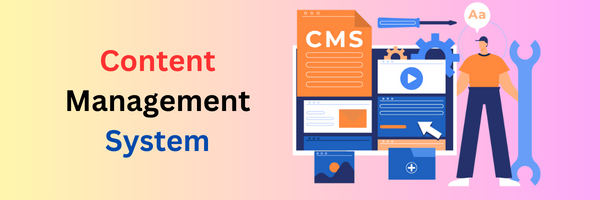
In today’s digital age, content is always the king. Whether you’re a business, blogger, or organization, having a strong online presence with a website full of fresh, relevant content is crucial. However, building and maintaining a website from scratch can be a complex and time-consuming process, requiring knowledge of coding, design, and web development. Content management systems (CMS), a game-changing technology that has revolutionized the way we create, manage, and publish content online. A CMS is a software application that simplifies the process of creating, editing, organizing, and publishing digital content, making it accessible to users of all technical skill levels. At its core, a CMS provides a user-friendly interface that separates the content from the website’s design and functionality. This means that you can focus on creating and managing your content without worrying about the technical aspects of web development. The CMS handles the behind-the-scenes complexities, allowing you to seamlessly publish your content to your website with just a few clicks. One of the key features of a CMS is its ability to manage multiple users and assign different roles and permissions. This feature is particularly useful for organizations or teams where multiple people contribute to the website’s content. Administrators can grant specific access levels, ensuring that only authorized users can create, edit, or publish content, maintaining control and consistency across the website. CMSs also offer a wide range of built-in features that streamline the content creation and management process. These features include: 1. WYSIWYG (What You See Is What You Get) editors: These user-friendly editors allow you to create and format content in a similar word processing-like interface, without having much of coding knowledge. 2. Content scheduling: With content scheduling, you can plan and schedule your content to be published at a specific date and time, ensuring a consistent flow of fresh content. Versioning allows you to track changes made to your content, making it easy to revert to previous versions if needed. 3. Media management: Most CMSs provide robust media management tools, allowing you to upload, organize, and embed various types of media, such as images, videos, and documents, into your content. 4. Search engine optimization (SEO) : Many CMSs come equipped with built-in SEO tools that help you optimize your content for better search engine visibility and ranking. 5. Template and theme management: CMSs offer a wide range of pre-designed templates and themes that allow you to quickly and easily customize the look and feel of your website without delving into complex coding. 6. Plugin and extension ecosystems: Most popular CMSs have extensive plugin and extension ecosystems, providing additional functionality and features to enhance your website’s capabilities. One of the most vital aspects of using a CMS is its scalability. As your website grows and your content requirements evolve, a CMS can easily adapt to accommodate your changing needs. Whether you’re running a small personal blog or a large corporate website, a CMS can handle the workload and provide the tools you need to manage your content effectively. Additionally, many CMSs are open-source, which means that their source code is freely available and can be modified and customized by developers to meet specific requirements. This open-source nature foster a vibrant community of developers who contribute to the continuous improvement and enhancement of these systems. Popular examples of CMSs include WordPress, Joomla, Drupal, and Adobe Experience Manager. While each CMS has its own unique features and strengths, they all share the common goal of empowering users to create, manage, and publish content with ease. In conclusion, content management systems have revolutionized the way we approach web content creation and management. By providing a user-friendly interface, powerful tools, and scalable solutions, CMSs have democratized the web, enabling individuals and organizations of all sizes to establish and maintain a professional online presence without extensive technical expertise. As the digital landscape continues to evolve, CMSs will undoubtedly play a pivotal role in shaping the future of content creation and management.
Importance of Corporate Website Design in the Modern Business Landscape

Importance of Corporate Website Design in the Modern Business Landscape In today’s digital age, a well-designed corporate website is no longer a luxury – it’s an essential component of any successful business strategy. As the face of your company on the internet, your website serves as a virtual storefront, a marketing tool, and a crucial platform for engaging with customers and communicating your brand identity. Investing in professional corporate website design is paramount for establishing a strong online presence, enhancing credibility, and driving business growth. First Impression : Your website is mostly the first point of interaction between company and potential consumers. A appealing, user-friendly and responsive design creates awesome impression, builds confidence in your brand and encouraging visitors to explore further. Conversely, a poorly designed website can quickly turn away prospective clients, costing you valuable opportunities. Effective Brand Communication: Your corporate website is an extension of your brand identity. Through thoughtful design elements, such as color schemes, typography, and visual assets, you can effectively communicate your brand’s personality, values, and unique selling propositions. Consistent branding across all digital touchpoints reinforces recognition and fosters trust among your target audience. Brand management is crucial aspect of any organization. Compelling brands allows strong presence in market and open new pathway to future leads prospects in pipeline. Enhanced User Experience: In the competitive online landscape, user experience (UX) is king. A well-designed website ensures seamless navigation, intuitive information architecture, and optimized load times – all of which contribute to a positive user experience. By prioritizing UX, you not only increase visitor engagement and satisfaction but also improve your search engine rankings, as search algorithms favor user-friendly websites. Credibility and Professionalism: A professionally designed corporate website conveys credibility and professionalism. Customers are more likely to trust and do business with companies that have invested in a polished online presence. A visually appealing and well-structured website demonstrates your commitment to quality and attention to detail, setting you apart from competitors with atpar digital offerings. Lead Generation and Conversion: Ultimately, the success of your corporate website hinges on its ability to generate leads and convert visitors into customers. Strategic design elements, such as compelling calls-to-action, lead capture forms, and optimized conversion funnels, can significantly impact your lead generation and conversion rates. By aligning your website design with your marketing objectives, you can effectively nurture leads and drive tangible business results. Responsive and Mobile-Friendly Design: With the proliferation of mobile devices, it’s imperative that your corporate website is responsive and mobile-friendly. Google algorithm also gave priority on mobile friendly design as more searches are done from mobile devices rather than desktop. A responsive design ensures that your website fits to different screen sizes and devices, provides you with best user experience nevertheless , how visitors access your site. Failure to optimize for mobile can lead to high bounce rates and lost opportunities. Scalability and Future-Proofing: A well-designed corporate website should not only meet your current needs but also accommodate future growth and evolving trends. By investing in a scalable and adaptable design, you can easily integrate new features, functionalities, and content without compromising the user experience or requiring a complete overhaul. This future-proofing approach ensures that your website remains relevant and competitive in the ever-changing digital landscape. In the modern business world, your corporate website is a powerful tool that can either elevate or hinder your success. By prioritizing professional website design, you can effectively communicate your brand, enhance customer experiences, generate leads, and ultimately drive business growth. Neglecting the importance of corporate website design can put your company at a significant disadvantage, as potential customers may perceive a poorly designed website as a reflection of your overall business practices and commitment to quality.
Enhance Your Online Presence with Portfolio Website Design in 2024

In the competitive world of web design, having a standout portfolio can make all the difference when it comes to landing new clients and projects. Your portfolio serves as a showcase of your skills, creativity, and unique style, allowing potential clients to see firsthand what you can bring to the table. With the right portfolio website design, you can make a lasting impression and set yourself apart from the competition. Let’s explore key parameters of creating a powerful portfolio website design that will help you attract and impress your target audience. Why Portfolios are Essential for Web Designers A well-crafted portfolio is like a digital resume that speaks volumes about your expertise and experience. It provides potential clients with a glimpse into your creative process, design sensibilities, and the quality of work you deliver. A portfolio allows you to showcase your best projects, highlight your strengths, and demonstrate your ability to solve problems and meet client needs. In essence, your portfolio is your chance to make a strong first impression and show the world what you’re capable of. Here are some key Tips for crafting the Perfect Portfolio Website Choose the Right Platform: When creating your portfolio website, it’s essential to choose a platform that aligns with your design goals and technical skills. Whether you opt for a website builder like Wix or WordPress, make sure the platform is user-friendly, customizable, and allows for easy updates and edits. Showcase Your Best Work: Your portfolio should feature a selection of your most impressive and diverse projects. Include a mix of client work, personal projects, and experimental pieces to demonstrate your range and versatility as a designer. Highlight projects that best represent your style and skills. Tell Your Story: Use your portfolio to narrate the story behind each project. Brief your design methods, challenges you faced, and how you overcame them. Providing context and insights into your work can help clients better understand your approach and creativity. Keep It Simple and Intuitive: A clean, well-organized portfolio is key to capturing and retaining the attention of visitors. Make sure your website is easy to navigate, with clear categories, intuitive navigation menus, and concise project descriptions. Focus on usability and simplicity to create a seamless user experience. Prioritize Visuals: As a designer, your portfolio is a visual showcase of your talent and creativity. Use high-quality images, videos, and animations to bring your projects to life and engage visitors. Pay attention to details like color scheme, typography, and layout to create a visually appealing and cohesive portfolio. Highlight Your Skills and Expertise: In addition to showcasing your projects, make sure to highlight your skills, services, and areas of expertise on your portfolio website. Include a brief bio, resume, and testimonials to build credibility and establish trust with potential clients. Optimize for Search Engines: To ensure your portfolio gets seen by the right audience, optimize it for search engines. Use relevant keywords, meta tags, and alt text for images to improve your website’s visibility and ranking on search engine results pages. Final Thoughts In conclusion, a well-designed portfolio website is an invaluable tool for web designers looking to attract clients, showcase their talent, and build their brand. With growing of brand in marketplace sales projection is liable to increase which further leads to increase in revenue. By following these key tips, you can create a strong portfolio that effectively communicates your skills and your unique style to potential prospects. Remember, your portfolio is your digital storefront, so make sure it represents you in the best possible light. Show the world what you’re capable of with a standout portfolio website design.
How much does it cost to make a website in Saudi Arabia
Creating a website is an essential step for any business aiming to enhance its online presence and reach a wider audience. In Saudi Arabia, the cost of developing a website, including factors like business requirements and website type, can vary significantly. Here’s a comprehensive guide to understanding the website development cost in Saudi Arabia, designed for easy comprehension. Types of Websites and Their Development Costs When planning to develop a website, it’s essential to understand the different types available and their associated costs. Each type of website serves a unique purpose and comes with varying levels of complexity and functionality. Here’s a detailed breakdown of the types of websites and their development costs in Saudi Arabia: 1. One-Page Website A one-page website is a simple, single-page design that presents all the necessary information on a single scrollable page. This type of website is ideal for small businesses, personal portfolios, or promotional sites. Features: Single-page layout with sections for different content. Basic navigation menu. Essential elements such as logos, images, and text. Contact form or call-to-action buttons. Development Time: Typically takes 10-30 days to design and develop, depending on the complexity and specific requirements. Cost: Around 1,000 SAR. This cost is relatively low due to the straightforward nature of the design and minimal functionality required. 2. Corporate Website Corporate websites are designed for businesses and organizations that need to establish a professional online presence. These websites often serve to inform visitors about the company, its services, and its values. Features: Multiple pages including Home, About Us, Services, Contact, and Blog. Professional and polished design. Integration of multimedia elements such as videos and high-quality images. Contact forms, client testimonials, and possibly a blog section for regular updates. Development Time: The development of a corporate website can vary based on the complexity and specific client needs but generally takes a few weeks to a couple of months. Cost: Approximately 5,000 SAR. The cost reflects the need for a more detailed design, multiple pages, and additional functionalities like blogs and contact forms. 3. e-Commerce Website An eCommerce website is designed for businesses that want to sell products or services online. These websites require robust functionality to handle transactions securely and efficiently. Features: Product catalog with detailed product pages. Shopping cart and checkout process. Secure payment gateway integration. User accounts and order tracking. Inventory management system. Responsive design to ensure accessibility on all devices. Development Time: Building an eCommerce site is more complex and can take several months to complete, depending on the number of products and the desired features. Cost: Around 4,000 SAR. The cost is higher due to the complexity involved in setting up secure transactions, managing inventory, and ensuring a seamless user experience. 4. Custom Website Custom websites are tailored specifically to the client’s unique requirements and preferences. These sites are designed to stand out from the competition with unique features and functionalities. Features: Unique design and layout tailored to the client’s brand. Custom functionalities and features as requested by the client. High level of interactivity and user engagement elements. Advanced backend systems for managing content, users, or data. Development Time: The time required to develop a custom website varies widely based on the specific requirements but typically takes several months due to the detailed customization and development process. Cost: Around 6,000 SAR. The higher cost reflects the extensive time and expertise needed to create a unique, fully customized website. Summary Table Type of Website Features Development Time Cost (SAR) One-Page Website Single-page layout, basic navigation, essential elements, contact form 10-30 days 1,000 SAR Corporate Website Multiple pages, professional design, multimedia integration, blog, contact forms A few weeks to a couple of months 5,000 SAR eCommerce Website Product catalogue, shopping cart, payment gateway, user accounts, inventory management, responsive design Several months 4,000 SAR Custom Website Unique design, custom functionalities, high interactivity, advanced backend systems Several months 6,000 SAR Each type of website offers different benefits and caters to specific needs. When deciding on the type of website to develop, consider your business goals, budget, and the features that will best serve your audience. Factors Affecting Website Development Cost The cost of developing a website can vary significantly based on a variety of factors. Understanding these factors can help you budget more accurately and ensure you get the best value for your investment. Here are the key elements that influence website development costs in Saudi Arabia: 1. Website Design The design of a website is crucial as it impacts the user experience and overall aesthetic appeal. A well-designed website can attract and retain visitors, encouraging them to engage with your content or services. Importance: The design is the first thing visitors notice. A good design can enhance user engagement and establish credibility. Cost: Approximately 700 SAR (one-time). This covers the creation of visual elements, layout, and overall aesthetic design. 2. Responsive Design With the increasing use of mobile devices, having a responsive design is essential. A responsive website adapts to different screen sizes, providing a seamless experience across all devices. Importance: Ensures the website is accessible and user-friendly on smartphones, tablets, and desktops. Cost: Around 600 SAR (one-time). This investment ensures your site is flexible and user-friendly, regardless of the device used. 3. Domain Name The domain name is your website’s address on the internet. It’s important to choose a domain that is easy to remember and reflects your brand. Importance: A domain name is essential for establishing your online presence and making your website accessible to users. Cost: About 250 SAR per year. This recurring cost ensures that your domain remains registered and active. 4. Website Hosting Website hosting is the service that allows your website to be accessed via the internet. Hosting providers offer server space where your website’s data is stored and managed. Importance: Reliable hosting ensures your website is available 24/7 and performs well with minimal downtime. Cost: Approximately 500 SAR per year. The cost varies based on the hosting plan, with higher prices for plans offering more