
What is DNS? and How DNS works ?
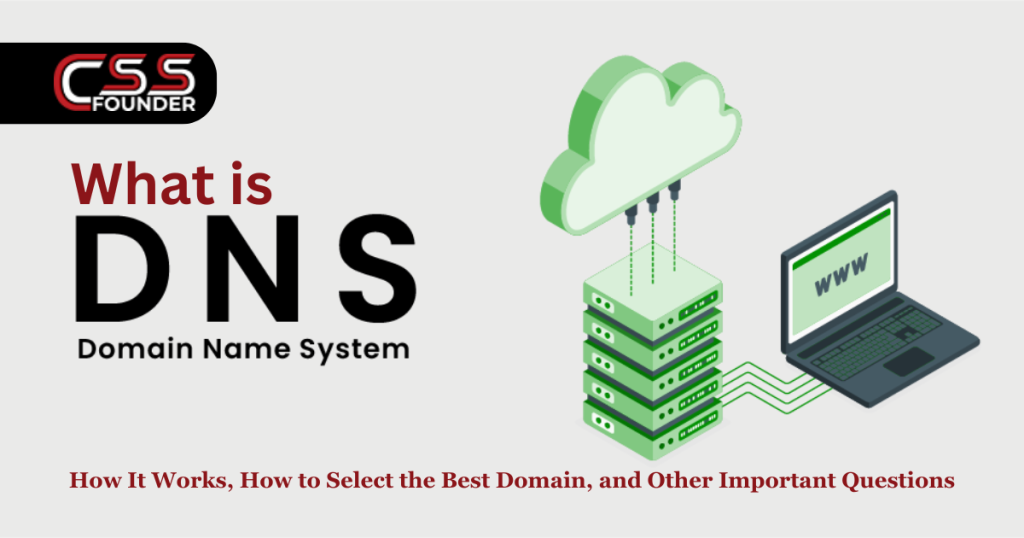
What is DNS, How It Works, How to Select the Best Domain, and Other Important Questions In today’s digital world, understanding how websites work is crucial for anyone involved in web design, advertising, or general internet use. One of the foundational elements of the internet is the Domain Name System (DNS). But what exactly is DNS, how does it work, and how do you choose the best domain for your website? In this detailed guide, we will dive into these questions and more, providing you with the knowledge you need to navigate the web effectively. Introduction Have you ever wondered how typing a web address leads you to the right website? Or how a web design company in Washington ensures their clients’ sites are easily accessible? The answer lies in the Domain Name System (DNS). This article will guide you through what DNS is, how it works, and why it matters. By the end, you’ll understand how to select the best domain name and handle common DNS-related issues. What is DNS? The Domain Name System (DNS) is like the internet’s phone book. When you type a website address into your browser, DNS is responsible for finding the corresponding IP address and directing your request to the right place. Without DNS, we would need to remember complex numerical IP addresses for every website we visit. Imagine trying to remember the phone number of every person you know. Instead, you use their names. DNS works the same way, translating easy-to-remember domain names into the numerical IP addresses that computers use to communicate. How Does DNS Work? When you enter a web address into your browser, your computer initiates a process called DNS (Domain Name System) resolution. This process translates the human-readable domain name into an IP address that computers use to locate the website. Here’s a simplified step-by-step breakdown of how DNS resolution works: DNS Query: Your browser sends a query to a DNS resolver. This resolver is typically provided by your Internet Service Provider (ISP). Recursive Query: The DNS resolver starts by querying a root DNS server to find the necessary information. Root Server: The root server receives the query and directs it to the appropriate Top-Level Domain (TLD) server based on the domain extension (e.g., .com, .org). TLD Server: The TLD server, which handles specific domain extensions, points the query to the authoritative DNS server for the specific domain. Authoritative DNS Server: This server holds the IP address for the requested domain. It returns the IP address to the DNS resolver. IP Address Returned: The DNS resolver sends the IP address back to your browser. Website Accessed: Your browser uses the IP address to request the website’s content from the web server. Step-by-Step DNS Resolution Process Enter Web Address: You type a web address (e.g., www.cssfounder.com ) into your browser. DNS Query Initiation: Your browser sends a DNS query to the DNS resolver. Root Server Query: The DNS resolver sends a recursive query to a root DNS server. TLD Server Direction: The root server identifies the correct TLD server (e.g., the .com server) and directs the query there. TLD Server Query: The TLD server points the DNS resolver to the authoritative DNS server for the domain (e.g., the server that has information about example.com). Authoritative DNS Server Response: The authoritative DNS server responds with the IP address associated with the domain. IP Address Return: The DNS resolver returns the IP address to your browser. Content Request: Your browser uses the IP address to request and load the website’s content from the web server. “This entire DNS resolution process happens in milliseconds, allowing for quick and seamless access to websites. The efficiency of DNS resolution is crucial for maintaining fast web browsing experiences and overall internet functionality.” The Role of DNS Servers DNS servers play a crucial role in the DNS resolution process. There are four main types of DNS servers involved: DNS Resolvers: These servers receive queries from browsers and start the resolution process. Root Servers: There are 13 sets of root servers that contain information about TLD servers. TLD Servers: These servers manage domains under specific extensions (like .com, .net). Authoritative DNS Servers: These contain the actual DNS records and IP addresses for domains. Each type of server contributes to ensuring that your query is efficiently resolved and directed to the correct website. DNS Records Explained DNS records are essential components of the DNS system. They are like instructions that tell DNS servers how to handle queries. Here are some common types of DNS records: A Record: Maps a domain to an IPv4 address. AAAA Record: Maps a domain to an IPv6 address. CNAME Record: Alias for another domain, useful for subdomains. MX Record: Directs email to the correct mail server. TXT Record: Contains text information for various purposes, often used for verification. Understanding these records helps in managing your DNS settings effectively. Common DNS Records DNS Record Purpose Example A Record Maps a domain to an IPv4 address example.com -> 192.0.2.1 AAAA Record Maps a domain to an IPv6 address example.com -> 2001:0db8:85a3:0000:0000:8a2e:0370:7334 CNAME Record Alias for another domain blog.example.com -> example.com MX Record Directs email to the correct mail server example.com -> mailserver.example.com TXT Record Contains text information for various purposes example.com -> “v=spf1 include:_spf.example.com ~all” How to Select the Best Domain Name Choosing the right domain name is vital for your online presence. Here are some tips to help you select the best one: Keep It Simple: A short, memorable name is easier for users to remember and type. Use Keywords: Incorporate relevant keywords, like “web design company in Washington,” to improve SEO. Avoid Numbers and Hyphens: These can be confusing and hard to remember. Check Availability: Ensure your desired domain is available and not trademarked. Consider Extensions: Choose a domain extension that fits your business (.com, .org, .net). A great domain name reflects your brand and makes it easy for users to find you online. Importance of Domain Extensions Domain extensions, also known as
Top 5 Website Designing Companies in Austin with Pricing Details

Austin, Texas, is renowned for its innovation and creative excellence, particularly in the realm of tech and digital solutions. For businesses aiming to establish a strong online presence, partnering with the right web design company is crucial. Here’s an in-depth look at the top five web design companies in Austin, detailing their services and pricing. 1. CSS Founder: Tailored Experiences, Unparalleled Quality Overview CSS Founder stands out as a premier website designing company in Austin, renowned for its unwavering commitment to client satisfaction and meticulous attention to detail. This agency excels in creating bespoke websites that seamlessly blend aesthetics with functionality, ensuring a captivating and user-friendly experience for visitors across all devices. Services and Pricing Service Description Price Range ($) Basic Website Design This package includes simple, elegant designs perfect for small businesses looking to establish an online presence. 1,000 – 3,000 Responsive Website Design Ensures your website looks great and functions well on all devices, from desktops to mobile phones. 3,000 – 5,000 E-commerce Website Design Comprehensive online store solutions with integrated payment systems, product management, and customer support features. 5,000 – 10,000 SEO Services Optimization services aimed at improving your website’s search engine ranking, driving more organic traffic. 500 – 2,000/month Why Choose CSS Founder? Client-Centric Approach: CSS Founder prioritizes understanding and meeting the unique needs of each client, ensuring tailored solutions that align with business objectives. Responsive Design: Their expertise in responsive design guarantees a seamless user experience across all devices. SEO Optimization: Beyond design, they integrate SEO best practices to enhance visibility and drive organic traffic. Contact Information Address: Noida One, Tower C 210 & 211, Building, Sector 62, Uttar Pradesh 201301 Website: CSS Founder 2. Unified Infotech: Innovative Solutions, Engaging Experiences Overview Unified Infotech is a powerhouse in the industry, offering cutting-edge web solutions that push the boundaries of innovation. With a strong focus on user-centric design, this company delivers websites that not only look stunning but also provide an intuitive and engaging user experience, keeping visitors engaged and driving conversions. Services and Pricing Service Description Price Range ($) Custom Website Design Tailored designs that reflect your brand’s identity and meet your specific business needs. 3,000 – 8,000 Mobile App Development Creating intuitive and functional mobile applications for iOS and Android platforms. 10,000 – 50,000 UI/UX Design Focusing on creating engaging and easy-to-navigate user interfaces. 5,000 – 15,000 Full-Service Development End-to-end web and mobile development services, including strategy, design, and deployment. 15,000 – 100,000 Why Choose Unified Infotech? Innovative Solutions: They leverage the latest technological advancements to create modern, forward-thinking websites. User-Centric Design: Their focus on user experience ensures that visitors can easily navigate and interact with the website. Comprehensive Services: A full suite of digital services ensures a cohesive and well-integrated online presence. Contact Information Address: 79 Madison Avenue, New York, NY 10016 Website: Unified Infotech 3. Designli: Collaborative Brilliance, Scalable Solutions Overview Designli excels at transforming digital visions into reality, particularly for startups and enterprises. They focus on custom web and mobile applications that are scalable, secure, and tailored to client needs. Services and Pricing Service Description Price Range ($) Startup Packages Special packages designed for startups, including MVP development and strategic consulting. 5,000 – 20,000 Custom Web Applications Building scalable and secure web applications tailored to specific business requirements. 10,000 – 50,000 Mobile App Development Custom mobile solutions for iOS and Android, ensuring a seamless user experience. 20,000 – 100,000 Ongoing Support Continuous maintenance and support to keep applications up-to-date and performing optimally. 1,000 – 5,000/month Why Choose Designli? Collaborative Process: They involve clients at every stage, fostering a partnership that ensures the final product aligns perfectly with the client’s vision. Scalable Solutions: Their designs are built to grow with the business, accommodating increased traffic and evolving needs. Ongoing Support: Designli provides continuous support and maintenance to ensure long-term success. Contact Information Address: 141 Traction St, Greenville, SC 29611, United States Website: Designli 4. Outliant: Expertise and Excellence, Unmatched Quality Overview Outliant is a trusted name in the Austin website designing scene, renowned for delivering high-quality digital solutions that captivate audiences. With a team of seasoned professionals, this company excels in creating unique and engaging websites that not only look visually appealing but also perform flawlessly, ensuring a seamless user experience. Services and Pricing Service Description Price Range ($) Custom Web Design Unique and engaging designs that reflect the essence of the client’s brand. 3,000 – 10,000 Web Development Full-scale development services, from concept to launch, ensuring functional excellence. 10,000 – 50,000 Digital Marketing Comprehensive digital marketing services to drive traffic and engagement. 2,000 – 10,000/month Branding and Identity Creating cohesive brand identities that resonate with target audiences. 5,000 – 20,000 Why Choose Outliant? Expert Team: A team of highly skilled professionals dedicated to delivering top-notch web designs. Innovative Designs: They focus on creating unique and engaging websites that capture the brand’s essence. Client Satisfaction: A strong emphasis on exceeding client expectations, ensuring every project is a success. Contact Information Address: 111 Congress Ave, Austin, TX 78701 Website: Outliant 5. Blennd: Holistic Approach, Strategic Impact Overview Blennd takes a comprehensive approach to website design, offering a full suite of services that encompasses branding, digital marketing, and beyond. By integrating creativity with strategy, this company ensures that every aspect of a client’s online presence is optimized for success, driving engagement, conversions, and long-term growth. Services and Pricing Service Description Price Range ($) Full-Service Web Design Comprehensive web design services, including strategy, design, and development. 5,000 – 25,000 Branding Developing strong, cohesive brand identities and messaging. 5,000 – 20,000 Digital Marketing Strategic marketing services to drive engagement and conversions. 2,000 – 15,000/month E-commerce Solutions Creating robust e-commerce platforms with integrated features for seamless operations. 10,000 – 50,000 Why Choose Blennd? Holistic Approach: Combining design, branding, and marketing to create a comprehensive online strategy. Strategic Designs: Websites crafted with business goals in mind to support and enhance overall strategy. Proven Results: A track record of successful projects and satisfied clients, highlighted by an impressive
AI Vs Website Builder: The Future of Website Development

In the rapidly advancing world of technology, artificial intelligence (AI) has emerged as a disruptive force, transforming numerous industries and sparking debates about its potential impact. One area where AI’s influence is particularly intriguing is the realm of website building. As AI capabilities continue to expand, many are questioning whether this cutting-edge technology will eventually render traditional website builders obsolete. To better understand this complex issue, let’s delve into the current landscape and explore the strengths and limitations of both AI and website builders and who will dominate the future of website development. The Rise of AI in Web Development AI has already made significant strides in web development, revolutionizing various aspects of the process. Machine learning algorithms have proven invaluable in analyzing vast amounts of data, identifying patterns, and providing insights that can enhance user experiences. These algorithms can learn from user behavior, preferences, and interactions, enabling the creation of more personalized and intuitive websites. Furthermore, AI-powered tools have streamlined development workflows by automating repetitive tasks, such as testing and code generation. This automation not only reduces the workload on human developers but also minimizes the potential for human error, resulting in more efficient and reliable development processes. However, it’s crucial to recognize that AI, despite its remarkable capabilities, is not a panacea. While it excels at specific tasks, it still lacks the creativity, intuition, and high-level decision-making abilities that human developers possess. Website builders, on the other hand, were designed to cater to a different need – providing a user-friendly platform for individuals and businesses to create visually appealing and functional websites without extensive coding knowledge. The Enduring Strengths of Website Builders Website builders have gained immense popularity due to their accessibility and ease of use. Platforms like Wix, Squarespace, and Weebly offer drag-and-drop interfaces, pre-designed templates, and a wide range of customization options. These tools have democratized website creation, empowering users with varying levels of technical expertise to create professional-looking websites without the need for extensive coding knowledge. One of the key advantages of website builders is their ability to simplify the website creation process. Users can focus on the visual aspects and content, while the platform handles the underlying technical aspects, such as hosting, security, and responsive design. This approach lowers the barrier to entry, making it easier for small businesses and individuals to establish an online presence without significant investment in technical resources. Additionally, many website builders offer integrated e-commerce solutions, allowing businesses to seamlessly set up online stores and sell their products or services. This integration eliminates the need for complex third-party integrations, further simplifying the process for non-technical users. The Potential Symbiosis of AI and Website Builders While AI may not entirely replace website builders in the near future, the integration of AI capabilities into these platforms could enhance the user experience and functionality in numerous ways. For instance, AI-powered design assistants could analyze a user’s preferences, business goals, and industry trends, and automatically generate visually appealing and optimized website layouts. Furthermore, AI could be leveraged to improve website performance and search engine optimization (SEO). By analyzing user behavior data and search patterns, AI algorithms could suggest content optimization strategies, ensuring that websites are more discoverable and engaging for visitors. Moreover, AI-driven chatbots and virtual assistants could be integrated into websites, providing 24/7 customer support and improving the overall user experience. These AI-powered tools could answer frequently asked questions, guide users through the website, and even assist with simple tasks like scheduling appointments or processing orders. The Future of Website Building: A Collaborative Approach As AI continues to advance, it’s unlikely that it will completely replace website builders. Instead, a more plausible scenario is one where AI and website builders coexist and complement each other, leveraging their respective strengths to create a more seamless and efficient website building experience. Website builders will likely adapt and incorporate more AI capabilities to remain competitive and meet the evolving needs of users. Failure to do so could result in these platforms becoming obsolete or overshadowed by more advanced AI-driven solutions. However, by embracing AI, website builders can offer users the best of both worlds – the ease of use and accessibility of traditional website builders, combined with the power and intelligence of AI-driven tools. Ultimately, the future of website building will involve a seamless integration of human creativity and AI capabilities. While AI may automate certain tasks and enhance the overall process, human developers and designers will still play a crucial role in crafting unique and engaging digital experiences tailored to specific business requirements and user preferences. Conclusion In the ongoing debate surrounding AI’s potential to replace website builders, it’s evident that a complete replacement is unlikely in the near future. Instead, the two technologies are poised to coexist and complement each other, creating more efficient, personalized, and user-friendly solutions for building websites. The true power lies in striking the right balance between leveraging AI’s capabilities and harnessing human creativity and expertise. By combining the strengths of AI and website builders, businesses and individuals can benefit from streamlined processes, enhanced user experiences, and the ability to create truly unique and captivating online presences. As the tech landscape continues to evolve, it will be fascinating to witness the innovative ways in which AI and website builders collaborate, pushing the boundaries of what’s possible in the realm of website creation and online experiences.
10 Reasons Why You Should Use a Website Builder for Your Online Business
In today’s digital era, maintaining an online presence is essential for businesses of any size. However, creating a website from scratch can be challenging, particularly for those without technical skills. This is where website builders come into play, offering a user-friendly and cost-effective solution for creating a professional-looking website. In this article, we’ll explore the numerous benefits of using a website builder for your online presence. Ease of Use One of the primary advantages of website builders is their ease of use. These platforms are designed to be intuitive and user-friendly, allowing even those with little to no coding knowledge to create visually appealing websites. With drag-and-drop interfaces and pre-designed templates, website builders simplify the process of building a website, making it accessible to anyone. Cost-Effective Solution Hiring a professional web developer or agency to create a website can be expensive, especially for small businesses or individuals with limited budgets. Website builders offer an affordable alternative, often providing free or low-cost plans with a range of features. This cost-effectiveness makes it possible for businesses to establish an online presence without breaking the bank. Professional Design Templates Website builders come equipped with a vast selection of professionally designed templates that cater to various industries and purposes. These templates are created by experienced designers, ensuring that your website looks polished and visually appealing from the outset. With a wide range of customization options, you can easily tailor the design to match your brand’s identity and create a unique online presence. Mobile Responsiveness Mobile responsiveness is crucial aspect for website . Website builders understand this importance and offer responsive design features that ensure your website looks and functions seamlessly across various devices, including smartphones and tablets. This mobile responsiveness enhances the user experience and helps to attract and retain visitors. Search Engine Optimization (SEO) Features Many website builders integrate SEO tools and features to help improve your website’s visibility on search engines like Google. These features may include optimized page titles, meta descriptions, alt text for images, and the ability to customize URLs. By leveraging these SEO tools, you can increase your chances of ranking higher in search results, driving more organic traffic to your website. E-commerce Capabilities If you plan to sell products or services online, website builders often provide e-commerce functionality. This allows you to set up an online store, manage inventory, accept payments, and track orders without the need for extensive coding or third-party integrations. These e-commerce capabilities streamline the process of selling online and provide a seamless shopping experience for your customers. Blogging and Content Management Maintaining a blog or regularly updating your website’s content is crucial for engaging with your audience and improving your search engine rankings. Website builders offer built-in blogging and content management systems (CMS) that make it easy to create, publish, and organize your content. This feature ensures that your website remains fresh and up-to-date, improving user engagement and SEO performance. Analytics and Insight Many website builders provide built-in analytics tools that allow you to track your website’s performance, visitor behavior, and other valuable insights. These analytics can help you make data-driven decisions and optimize your website for better results. Additionally, some website builders offer integration with popular analytics platforms like Google Analytics, providing even more detailed insights. Scalability and Growth Potential As your business grows and your online presence expands, website builders offer scalability options to accommodate your changing needs. You can upgrade to more advanced plans or add additional features and functionality without having to start from scratch. This scalability allows your website to evolve alongside your business, ensuring a seamless transition and consistent online presence. Customer Support and Resources Website builders understand that not everyone is a tech expert, so they provide various customer support channels and resources to assist users throughout the website-building process. This may include knowledgebases, tutorials, community forums, and customer support teams available via email, chat, or phone. Having access to these resources can help ensure a smooth and successful website-building experience. In conclusion, website builders offer a comprehensive solution for businesses and individuals looking to establish or enhance their online presence. With their ease of use, cost-effectiveness, professional design templates, mobile responsiveness, SEO features, e-commerce capabilities, content management tools, analytics insights, scalability, and customer support, website builders empower users to create visually appealing and functional websites without extensive technical knowledge or resources. Embrace the benefits of website builders and take your online presence to new heights.
Shopify Development Cost in India
Shopify Development Cost in India: A Comprehensive Guide The eCommerce landscape in India is rapidly expanding, with businesses of all sizes turning to platforms like Shopify to establish their online presence. Understanding the cost of Shopify development is crucial for budgeting and planning. In this guide, we’ll explore the factors that influence Shopify development costs in India and highlight why CSS Founder is the go-to Web Design Company in India for all your Shopify needs. Why Choose Shopify? Choosing the right eCommerce platform is crucial for the success of your online store. Shopify stands out as a leading choice for many businesses globally. Here’s why Shopify is a top contender for your eCommerce needs: 1. User-Friendly Interface Shopify’s intuitive and user-friendly interface is one of its most compelling features. Even those with minimal technical knowledge can set up and manage an online store efficiently. The platform’s dashboard is straightforward, allowing users to manage orders, products, and customer data with ease. 2. Extensive Customization Options Shopify offers a vast selection of themes, both free and paid, which can be customized to align with your brand identity. Additionally, if you have specific requirements, the platform’s flexibility allows for extensive customization through coding, ensuring your store stands out. 3. Scalability Whether you’re a small business just starting out or a large enterprise, Shopify can scale with your business. The platform handles increased traffic and sales volume seamlessly, making it suitable for businesses of all sizes. As your business grows, you can upgrade your Shopify plan to access more advanced features. 4. Robust Security Security is paramount for any online business. Shopify provides top-notch security features, including SSL certification and PCI compliance, to ensure your customers’ data is protected. Regular updates and maintenance by Shopify mean you don’t have to worry about security vulnerabilities. 5. Integrated Payment Solutions Shopify offers numerous payment gateways, including its own Shopify Payments, which simplifies the checkout process for customers. It supports multiple payment methods, ensuring convenience for a global customer base. This flexibility can help reduce cart abandonment rates. 6. App Ecosystem Shopify’s extensive app ecosystem allows you to add functionality to your store without extensive coding. From marketing tools and social media integrations to inventory management and customer service apps, you can find tools to enhance your store’s performance and customer experience. 7. SEO and Marketing Tools Built-in SEO features and marketing tools help you drive traffic to your store. Shopify allows you to optimize product pages, meta tags, and URLs, improving your store’s visibility on search engines. Additionally, integration with Google Analytics and other marketing tools helps you track and enhance your marketing efforts. 8. Mobile Responsiveness With the increasing number of customers shopping on mobile devices, having a mobile-responsive store is crucial. Shopify themes are designed to be mobile-friendly, ensuring your store looks great and functions well on any device, providing a seamless shopping experience for mobile users. 9. 24/7 Customer Support Shopify offers round-the-clock customer support through various channels, including live chat, email, and phone. This ensures that any issues you encounter can be promptly resolved, minimizing downtime and maintaining a smooth operation for your store. 10. Community and Resources Shopify has a large and active community of users, developers, and experts. The platform offers extensive documentation, tutorials, and forums where you can find answers to your questions and connect with other Shopify users. This community support can be invaluable, especially for newcomers. Factors Influencing Shopify Development Cost in India 1. Design and Theme Customization The cost of designing a Shopify store varies based on the complexity and uniqueness of the design. Using a pre-made theme is cost-effective, while custom themes tailored to your brand will be more expensive. 2. App Integration and Custom Functionality Integrating third-party apps to enhance functionality, such as payment gateways, inventory management, and customer service tools, can add to the cost. Custom app development for specific needs will further increase the budget. 3. Product Listings The number of products and variations you have will affect the cost. More products require more time and effort to upload and organize, impacting the overall cost. 4. SEO and Digital Marketing To ensure your store ranks well on search engines, investing in SEO and digital marketing is essential. This includes keyword optimization, content creation, and backlink strategies. 5. Developer Expertise Hiring experienced developers from a reputable Web Design Company in India like CSS Founder ensures quality and reliability but can be more expensive than hiring freelancers or less established companies. 6. Maintenance and Support Ongoing maintenance and support are crucial for the smooth operation of your Shopify store. These services typically come with a monthly or yearly fee. Shopify Development Cost in India Service Description Price Range (INR) Basic Shopify Store Setup Initial setup of Shopify store, theme installation, and basic configuration. 15,000 – 30,000 Custom Theme Development Development of a custom theme from scratch as per client specifications. 50,000 – 1,50,000 Theme Customization Customizing an existing Shopify theme to match client requirements. 20,000 – 60,000 App Integration Integrating third-party apps and plugins to enhance store functionality. 5,000 – 20,000 per app Custom App Development Developing custom apps to add unique functionalities to the store. 50,000 – 2,00,000 Responsive Design Ensuring the store is mobile-friendly and responsive across all devices. 10,000 – 50,000 Payment Gateway Integration Integrating payment gateways for seamless transactions. 5,000 – 15,000 SEO Optimization Optimizing the store for search engines to improve visibility and traffic. 10,000 – 40,000 Content Creation Creating content for product pages, blogs, and other sections of the store. 500 – 2,000 per page Product Upload and Management Uploading products, managing inventory, and setting up product details. 10 – 50 per product Maintenance and Support Ongoing support and maintenance of the Shopify store. 5,000 – 20,000 per month Migration Services Migrating existing stores to Shopify from other platforms. 20,000 – 1,00,000 Performance Optimization Enhancing the speed and performance of the Shopify store. 10,000 – 40,000 Training and Consultation Providing training sessions and consultation for Shopify store
Website Builder vs Web Developer: Which Is Right for Your Business?

When it comes to getting a website for your small business or startup, you have two main options: use an online website builder platform, or hire a professional web developer. Both paths will get you a functioning website at the end, but they differ significantly in terms of cost, ease of use, flexibility, ownership, and long-term scalability. In this article we shall discuss which is right for your business Website Builder vs Web Developer Website Builders: The Easy, Budget-Friendly DIY Option Website builders like Wix, Squarespace, Weebly and others have exploded in popularity by allowing anyone to build a professional-looking website themselves through a user-friendly drag-and-drop interface. No coding skills is needed to learn. The main appeal of website builders is convenience and ease of use. You simply choose from hundreds of pre-built website templates, then customize the layout, pages, text, images and other elements using the visual editor. Most builders also include e-commerce functionality to set up an online store and accept payments. From a cost perspective, website builders are extremely affordable. Many offer free plans to get started, with upgraded plans that remove third-party ads and unlock more features typically costing between $10-$30 per month. This low-cost model makes website builders very accessible for cash-strapped small businesses and solopreneurs. However, this convenience and affordability comes with some significant trade-offs in terms of flexibility, customization, and control: Limited Design Flexibility While modern website builders allow you to tweak colors, fonts, layouts and more, you are still largely confined to the look-and-feel and core structure defined by that specific theme or template. There are only so many customizations you can make before hitting a ceiling. Restrictive Functionality Most website builders offer integration with common third-party services like Google Analytics, live chat, email marketing tools and more. But overall, you are limited to just the apps, plugins, and features supported by that specific builder platform. Lack of Ownership When you build on a website builder, you don’t actually own the source code for that website. The code belongs to the builder company, which means if they went out of business or made major pricing changes, you could be stuck with limited options to take your site elsewhere. Website Developers: Ultimate Flexibility and Control (At a Cost) On the other end of the spectrum, hiring an experienced web developer or agency gives you a fully customized website tailored precisely to your unique needs and specifications, with no constraints or limitations. Rather than working off templates, the developer will code your entire website completely from scratch.With a custom website, you have unlimited flexibility in terms of: Design The look, layout, and visuals can be designed and built to your exact requirements, not dictated by pre-built templates. Functionality Any specific features, tools, e-commerce integration needs can be developed and coded into your website as required. Optimization From page load speed to SEO best practices, a developer can optimize every aspect of your custom website. Scalability As your business grows, a custom coded website can much more easily evolve and scale via new functionality, add-ons, and upgrades. Of course, this incredible flexibility comes at a cost – generally anywhere from a few thousand dollars for a basic coded site, up to $10,000, $30,000 or more for a highly customized, complex website developed by an agency. But for many established businesses willing to make the investment, a custom coded site is worth the premium price for the unlimited potential. Other Factors When Choosing Builders vs Developers Cost and flexibility are the biggest factors, but there are a few other considerations to keep in mind: Control and Ownership Since you fully own the code for a custom developed site, you have full control to make changes, move hosting providers, and run it as you wish. With website builders, that code belongs to them which limits your ability to make drastic changes or moves. Ongoing Work and Maintenance Website builders handle all core software updates, security patches, and other backend work automatically. This is convenient but also means you’re at the mercy of that platform’s policies and pricing. Custom coded sites require more hands-on technical work and active maintenance from you or the developer to keep everything updated and secure over time. So in summary, using an online website builder is definitely the faster, easier, and much more affordable option for getting a website up and running quickly. The trade-off is being confined to the limitations and walled garden of that specific builder platform. Hiring a web developer gives you full flexibility to create any custom website you can dream up, along with unlimited scalability for future growth. But of course, this maximum control and versatility comes at a much higher investment of time and money. Conclusion The right choice for your business will depend on your specific needs, goals, technical requirements, and budget. Many businesses start with a website builder while getting established, then graduate to a custom developed solution as they scale. But there’s no one-size-fits-all here – carefully evaluate your priorities to choose the best approach.
Boost Conversion Rates with These 7 CTA Best Practices

Creating effective call-to-action (CTA) buttons is a crucial aspect of web and app design, as they play a pivotal role in guiding users towards desired actions and driving conversions. However, designing CTAs that not only entice users to take action but also provide an inclusive and accessible experience for all can be a complex task. In this article, we’ll delve into how to boost conversion rates with these CTA best practices that strike the perfect balance between user experience, accessibility, and business goals. Contrast and Visibility Ensuring that your CTA buttons are highly visible and easily distinguishable is paramount for both user experience and accessibility. Utilize contrasting colors that make the CTA stand out from the surrounding elements on the page. A general rule of thumb is to maintain a minimum contrast ratio of 4.5:1 for normal text and 3:1 for larger text, as recommended by the Web Content Accessibility Guidelines (WCAG). Additionally, consider the color combinations you use, as certain types of color blindness, such as deuteranopia (green blindness) or protanopia (red blindness), can make it difficult to differentiate between specific shades. Conduct color blindness testing or use online tools to ensure your CTAs are visible to users with varying degrees of color vision deficiency. Clear and Concise Labeling The text on your CTA buttons should be clear, concise, and unambiguous, leaving no room for confusion or misinterpretation. Avoid using vague or confusing language that may leave users uncertain about the action they’re taking. Instead, use action-oriented language that explicitly conveys the purpose of the button, such as “Buy Now,” “Sign Up,” or “Download.” Additionally, consider the context in which the CTA appears and tailor the language accordingly. For example, a CTA on a pricing page may be more effective with a label like “Subscribe Now” or “Get Started,” while a CTA on a product page might be better suited with “Add to Cart” or “Buy Now.” Appropriate Size and Spacing CTA buttons should be large enough to be easily tapped or clicked, especially on mobile devices where users may be interacting with smaller screens and relying on touch input. Consider the size of the user’s fingers or assistive devices, such as styluses or mouth sticks, when determining the appropriate button size. Generally, a minimum button size of 44×44 pixels is recommended for touch targets on mobile devices. Additionally, ensure that there is sufficient spacing around the CTA to prevent accidental clicks or taps on adjacent elements. Maintain a comfortable padding around the button, and consider increasing the spacing for users with motor disabilities or those using assistive devices that may have difficulty with precise targeting. Logical Placement The placement of your CTA buttons can significantly impact the user experience and accessibility. Position CTAs in a logical and predictable manner, following the natural flow of the content and adhering to established design patterns. For example, primary CTAs should be placed in a prominent location, such as at the end of a product description or after a form submission. Additionally, ensure that CTAs are easily discoverable and not obscured by other elements on the page. Avoid placing important CTAs below the fold or in areas that may be easily missed by users, especially those who rely on assistive technologies like screen readers. Keyboard Accessibility Not all users rely on a mouse or touchscreen to navigate websites and apps. To cater to users with motor disabilities or those who prefer keyboard navigation, ensure that your CTA buttons are fully accessible via the keyboard. This means implementing proper focus management, allowing users to tab through interactive elements and activate CTAs with the Enter or Space key. Additionally, provide clear visual cues to indicate the currently focused element, such as an outline or a change in background color. This will help users with visual impairments or cognitive disabilities to easily identify the active element on the page. Alternative Text and Labels For users with visual impairments who rely on screen readers or other assistive technologies, providing alternative text and labels for your CTA buttons is essential. These descriptions should accurately convey the purpose and functionality of the button, allowing users to understand and interact with the CTA effectively. When crafting alternative text, be concise yet descriptive, and avoid redundant or irrelevant information. For example, instead of “Click the ‘Buy Now’ button,” use a more direct description like “Buy product now.” Additionally, ensure that the alternative text is consistently applied across all instances of the CTA on your website or app. User Testing and Feedback Continuously seek feedback from a diverse range of users, including those with disabilities, to ensure that your CTAs are meeting their needs and providing an optimal user experience. Conduct user testing sessions, gather analytics data, and actively listen to user feedback to identify areas for improvement and refine your CTA design and implementation. User testing can involve a variety of methods, such as usability studies, surveys, or interviews, and should include participants with varying abilities and assistive technology needs. Pay close attention to any issues or pain points reported by users, and prioritize addressing these concerns in your design iterations. By incorporating these best practices into your CTA design and implementation, you can create a more inclusive and accessible user experience for all users, regardless of their abilities or disabilities. Remember, accessibility is not just a legal requirement but also a moral obligation and a competitive advantage, as it allows you to reach a broader audience and provide a better overall experience for everyone.
Leveraging Online Reviews to Enhance Your Website Design

In today’s digital age, online reviews have become a powerful tool for businesses to gauge customer satisfaction and make informed decisions. When it comes to web design, these reviews can offer invaluable insights into what users truly want and need from a website. By effectively utilizing online reviews, web designers can create user-centric experiences that resonate with their target audience and drive success for their clients. In this blog, we shall discuss about some crucial factors to leverage online reviews to enhance your website design Identify Pain Points and User Frustrations Online reviews offer a candid glimpse into the challenges and frustrations users encounter when navigating websites. By carefully analysing these reviews, web designers can pinpoint recurring themes and address critical issues that may be hindering user engagement and satisfaction. For instance, if multiple reviews cite difficulties in locating specific information or products on a website, it could indicate a need for improved site architecture, streamlined navigation menus, or enhanced search functionality. Addressing these concerns can lead to a more intuitive and user-friendly design, minimizing frustration and enhancing the overall browsing experience. Understand User Preferences and Expectations Beyond identifying pain points, online reviews can provide invaluable insights into user preferences and expectations regarding website design and functionality. Users may express their appreciation for specific design elements, such as clean and modern layouts, visually appealing color schemes, or intuitive user interfaces that prioritize simplicity and ease of use. By carefully studying these preferences, web designers can align their design choices with the desires of their target audience, creating websites that not only captivate visually but also deliver a seamless and enjoyable user experience. This level of attention to user preferences can foster increased engagement, loyalty, and ultimately, business success for their clients. Identify Opportunities for Innovation While addressing pain points and meeting user expectations are crucial, online reviews can also reveal opportunities for innovation and differentiation within the competitive landscape. Users may suggest unique features, functionality, or design elements that could set a website apart from its competitors and enhance the overall user experience. Web designers should embrace an open-minded approach and actively explore ways to incorporate these innovative ideas into their designs. This could involve integrating cutting-edge technologies, implementing creative and immersive user experiences, or exploring new design trends that resonate with the target audience. Monitor Competitor Reviews In addition to analyzing reviews for their own clients, web designers can gain valuable insights by monitoring reviews for competing websites or businesses within the same industry. This competitive analysis can reveal strengths and weaknesses in competitor designs, allowing web designers to identify areas where they can differentiate their offerings and provide superior user experiences. By closely studying the successes and shortcomings of their competitors, web designers can gain a strategic advantage and position themselves as industry leaders in delivering exceptional digital experiences tailored to their target audience. Encourage and Respond to Reviews While leveraging existing online reviews is beneficial, web designers should also actively encourage their clients’ customers to leave reviews. This can be achieved through various strategies, such as email campaigns, on-site prompts, or incentives for providing feedback. Additionally, it is crucial for web designers to respond to reviews, both positive and negative, in a professional and constructive manner. Thanking customers for positive feedback and addressing negative reviews with empathy and a commitment to improvement can demonstrate a customer-centric approach and foster trust and loyalty among users. Continuously Adapt and Improve Web design is an ever-evolving field, and user expectations and preferences are constantly shifting. As such, web designers must embrace a mindset of continuous adaptation and improvement. By regularly monitoring and analyzing online reviews, they can stay attuned to emerging trends, changing user needs, and potential areas for enhancement. This proactive approach not only ensures that web designs remain relevant and appealing but also demonstrates a commitment to delivering exceptional user experiences that keep pace with the rapidly changing digital landscape. Conclusion In the quest for creating remarkable web designs, online reviews serve as a powerful resource that should not be overlooked. By effectively leveraging these user-generated insights, web designers can identify pain points, understand user preferences, explore opportunities for innovation, monitor competitors, and foster a culture of continuous improvement. Embracing online reviews as a valuable source of information empowers web designers to create websites that not only captivate users visually but also provide seamless, intuitive, and highly engaging experiences. This user-centric approach solidifies their position as industry leaders in web design, delivering exceptional digital solutions that drive success for their clients and delight their target audience.
Case Studies: How Our Designs Transformed Client Websites
At CSS Founder, a leading website design company in Dubai, we specialize in transforming our clients’ digital presence with innovative web design solutions. Our commitment to excellence is reflected in our diverse portfolio, showcasing successful projects that highlight the dramatic before-and-after transformations of our clients’ websites. This blog delves into three case studies, providing detailed insights into the design process and the outstanding results achieved. Project 1: Revamping an E-commerce Platform Before: Cluttered and Outdated The client, a successful e-commerce business, was struggling with a website that was cluttered, outdated, and user-unfriendly. The homepage was overcrowded with information, making it difficult for users to navigate. The design lacked a cohesive theme, resulting in a disjointed user experience. Design Process Consultation and Analysis: Objective: To understand the client’s business goals, target audience, and specific pain points with the current website. Method: We conducted detailed consultations and performed a comprehensive analysis of the existing site, focusing on user behavior, traffic patterns, and site performance metrics. Wireframing and Prototyping: Objective: To visualize the new structure and layout, ensuring it aligns with user needs and business goals. Method: Our design team created wireframes to outline the basic structure and flow of the website. Prototypes were then developed to provide a more interactive representation, allowing for early feedback and adjustments. Development and Testing: Objective: To implement the design with high performance and reliability. Method: Using the latest web technologies (HTML5, CSS3, JavaScript), our developers built the website. Rigorous testing was conducted across various devices and browsers to ensure responsiveness, speed, and functionality. After: Sleek and User-Friendly The revamped e-commerce site featured a clean, modern design that improved usability. Key enhancements included: Simplified Navigation: A streamlined menu structure made it easier for users to find products. Visual Appeal: High-quality images and a cohesive color scheme enhanced the visual experience. Performance Optimization: Faster load times and improved mobile responsiveness. Results: The client experienced a 40% increase in user engagement and a 25% boost in sales within three months of the redesign. Project 2: Enhancing a Corporate Website Before: Lack of Engagement and Poor Aesthetics A prominent consulting firm needed a website that better reflected their professional image. Their existing site was bland and failed to engage visitors, with difficult navigation and an uninspiring design. Design Process Discovery Phase: Objective: To understand the firm’s brand identity, business objectives, and target audience. Method: We conducted stakeholder interviews and competitor analysis to gather insights and benchmark industry standards. Design and Development: Objective: To create a sophisticated, engaging design that showcases the firm’s expertise. Method: Our designers crafted a modern, professional layout using high-quality images, strategic use of color, and compelling typography. The development team ensured the site was built with the latest technologies for optimal performance. Content Strategy: Objective: To make the content more accessible and engaging. Method: We restructured the content for clarity and impact, incorporating clear calls-to-action to guide users. We also integrated case studies and client testimonials to build credibility. After: Professional and Engaging The new corporate website was a significant upgrade, featuring: Modern Design: A polished, professional look that reinforced the firm’s brand. Enhanced User Experience: Improved navigation and content structure made it easier for visitors to find information. Interactive Elements: Features like dynamic case studies and testimonials added interactivity. Results: The firm saw a 50% increase in time spent on the site and a 35% rise in inquiries and leads. Project 3: Modernizing a Non-Profit Organization’s Website Before: Unorganized and Unappealing A non-profit organization needed to overhaul their website to better communicate their mission and attract donations. Their existing site was disorganized and visually unappealing, leading to poor user engagement. Design Process Strategy Session: Objective: To align the website redesign with the organization’s goals and target audience. Method: We conducted a strategy session to gather detailed information on the organization’s mission, goals, and audience. This helped us tailor the design to resonate with their values and objectives. Creative Design: Objective: To create an inviting, impactful design that emotionally connects with visitors. Method: Our designers focused on storytelling through visuals and content. We used warm colors, high-quality images, and impactful stories to create an emotional connection. Technical Implementation: Objective: To ensure the site was easy to manage and secure. Method: We built the site on a user-friendly content management system, allowing the organization to easily update content. We also integrated a secure, user-friendly donation system to facilitate online contributions. After: Organized and Inspiring The redesigned website featured: Clean Layout: An organized structure that made information easy to find. Engaging Content: Compelling stories and visuals that highlighted the organization’s impact. User-Friendly Donation System: A streamlined donation process that encouraged contributions. Results: The organization saw a 60% increase in online donations and a significant rise in volunteer sign-ups. Conclusion CSS Founder is dedicated to transforming websites to achieve our clients’ goals. Our case studies highlight our ability to deliver customized, effective web design solutions that enhance user experience and drive business success. As a top website designing company in Dubai, we are here to help you elevate your online presence. Contact us today to start your website transformation journey.
Mastering the 8 Best Pay Per Click Strategies for 2024
In the rapidly changing digital marketing arena, pay-per-click (PPC) advertising remains a pivotal strategy for businesses seeking to drive targeted traffic, increase brand visibility, and ultimately boost conversions and sales. As we approach 2024, the PPC landscape is poised to undergo significant transformations, influenced by emerging technologies, evolving consumer behaviors, and shifting market dynamics. To stay ahead of the curve and maximize the impact of their PPC campaigns, businesses must proactively adapt their strategies and embrace these impending changes. Here are the eight best pay-per-click strategies to consider in 2024, along with detailed insights and actionable steps to ensure success. Embrace Automation and Machine Learning Artificial intelligence (AI) and machine learning are revolutionizing the way PPC campaigns are managed, offering unprecedented opportunities for optimization and efficiency. In 2024, leveraging these technologies will be crucial for gaining a competitive edge. Businesses should adopt AI-powered tools that can analyze vast amounts of data, identify patterns, and make real-time adjustments to ad targeting, bidding strategies, and campaign performance. By harnessing the power of machine learning, businesses can ensure their campaigns are delivering the best possible results, maximizing return on investment (ROI) and staying ahead of the competition. Prioritize Mobile Optimization With the continued proliferation of mobile devices, ensuring that PPC campaigns are optimized for mobile users will be a non-negotiable priority in 2024. This includes creating mobile-friendly ad copy that is concise and impactful, utilizing click-to-call extensions to facilitate direct connections with potential customers, and leveraging location-based targeting to reach users on the go with hyper-relevant messaging. Additionally, businesses should prioritize mobile-responsive landing pages and streamlined conversion funnels to enhance the user experience and drive higher conversion rates. Capitalize on Voice Search Voice search has been steadily gaining traction, and by 2024, it is expected to become a mainstream component of the search landscape. Businesses that fail to adapt their PPC strategies accordingly risk missing out on a significant opportunity to reach potential customers. In 2024, optimizing ad copy and landing pages for voice search queries will be crucial. This includes incorporating natural language and conversational phrasing, as well as targeting long-tail keywords that align with how users phrase voice searches. Leverage Video Advertising Video content has become a dominant force in the online landscape, and PPC video advertising presents a powerful opportunity to engage audiences and drive conversions. In 2024, businesses should explore video ad formats on platforms like YouTube, social media, and connected TV (CTV) to reach their target audiences more effectively. Video ads can showcase products, services, or brand stories in an engaging and immersive manner, capturing viewers’ attention and driving them further down the marketing funnel. Personalize Ad Experiences Consumers increasingly expect personalized and relevant experiences, and PPC advertising is no exception. In 2024, businesses should leverage data-driven insights to create highly targeted ad campaigns tailored to specific audience segments. This includes leveraging advanced audience targeting capabilities, such as demographic, behavioral, and interest-based targeting, as well as dynamic ad customization based on user data. By delivering personalized and relevant ad experiences, businesses can increase the likelihood of resonating with potential customers and driving conversions. Expand into Emerging Advertising Channels While traditional PPC platforms like Google Ads and Microsoft Advertising will remain important, businesses should also explore emerging advertising channels in 2024. This could include advertising on newer platforms like TikTok, which has seen explosive growth in recent years, as well as connected TV (CTV) and voice assistants like Amazon’s Alexa and Google Assistant. By diversifying their PPC efforts across these emerging channels, businesses can reach new audiences, stay ahead of the competition, and capitalize on emerging consumer trends. Prioritize Remarketing Strategies Remarketing campaigns, which target users who have previously interacted with a brand’s website or ads, can be highly effective in nurturing leads and driving conversions. In 2024, businesses should prioritize remarketing strategies, leveraging advanced audience targeting and personalized messaging to re-engage potential customers. This could include dynamic remarketing ads that showcase products or services the user has previously viewed, as well as tailored messaging based on their stage in the buyer’s journey. Foster Cross-Channel Integration Successful PPC campaigns in 2024 will require seamless integration across multiple channels, including search, social media, display, and video advertising. By adopting a cross-channel approach, businesses can create cohesive and consistent brand experiences, maximizing the impact of their PPC efforts and driving better overall results. This includes aligning messaging, visual assets, and targeting strategies across all channels, as well as leveraging cross-channel data to inform and optimize campaign performance. As the digital landscape continues to evolve at a rapid pace, businesses that stay ahead of the curve and adapt their PPC strategies accordingly will be best positioned for success in 2024. By embracing automation and machine learning, prioritizing mobile optimization, capitalizing on emerging trends like voice search and video advertising, and fostering cross-channel integration, businesses can maximize the impact of their PPC campaigns and drive measurable results in the form of increased traffic, higher conversions, and ultimately, improved bottom-line performance.