Unveiling the Secret Behind Shopify Development Cost in Bucharest

As Romania’s capital and largest city, Bucharest has emerged as a thriving hub for e-commerce and web development. Many businesses are turning to Shopify, a popular e-commerce platform, to establish their online presence. This article will delve into the various factors affecting Shopify development costs in Bucharest, providing valuable insights for entrepreneurs and businesses looking to launch or upgrade their online stores. Average Shopify Development Costs in Bucharest While prices can vary widely based on the factors mentioned above, here’s a general overview of Shopify development costs in Bucharest: Basic Shopify Store Setup: €500 – €1,500 This typically includes setting up a pre-made theme with minor customizations, basic product setup, and essential features. Mid-Range Shopify Development: €1,500 – €5,000 This level often involves more extensive theme customizations, additional features and integrations, and some custom functionality. Advanced Shopify Solutions: €5,000 – €15,000+ For complex, custom-built Shopify stores with extensive features, integrations, and unique designs, costs can exceed €15,000. Hourly Rates: €30 – €100 per hour Many Bucharest-based developers and agencies charge hourly rates, which can range from €30 for junior developers to €100+ for senior specialists or agencies. Understanding Shopify Development Before we explore the costs, it’s essential to understand what Shopify development entails. Shopify is a comprehensive e-commerce platform that allows businesses to create and manage online stores. Development on this platform can range from simple theme customizations to complex, custom-built solutions integrating various features and functionalities. Factors Influencing Shopify Development Costs in Bucharest Project Scope and Complexity The breadth and depth of your Shopify project significantly impact the overall cost. Simple stores with basic customizations will naturally cost less than complex, feature-rich e-commerce solutions. In Bucharest, developers typically charge based on the project’s complexity and estimated time for completion. Developer Expertise and Rates Bucharest boasts a diverse pool of Shopify developers, ranging from junior-level to highly experienced professionals. The expertise level of your chosen developer or agency will influence the cost. While senior developers may charge higher rates, their efficiency and quality of work can often justify the investment. Custom Design vs. Pre-made Themes Opting for a custom-designed Shopify store will increase costs compared to using and modifying a pre-made theme. Custom designs offer unique branding opportunities but require more time and expertise to implement. Required Features and Integrations The number and complexity of features and integrations needed for your Shopify store will affect the overall development cost. Common additions include payment gateways, inventory management systems, and customer relationship management (CRM) tools. Responsive Design and Mobile Optimization With mobile commerce on the rise, ensuring your Shopify store is fully responsive and optimized for mobile devices is crucial. This requirement may add to the development costs but is essential for providing a seamless shopping experience across all devices. SEO and Marketing Features Implementing robust SEO strategies and marketing features within your Shopify store can increase development costs. However, these elements are vital for improving your store’s visibility and driving organic traffic. Cost-Saving Strategies for Shopify Development in Bucharest Clearly Define Your Requirements Before approaching developers, have a clear vision of your needs. This clarity can help avoid costly changes and additions during the development process. To clearly define your requirements for Shopify development in Bucharest, start by conducting comprehensive market research to understand your target audience, competitors, and industry trends. Create a detailed project brief that outlines your business model, unique selling proposition, technical requirements, design preferences, and functionality needs. Prioritize features using the MoSCoW method, categorizing them into must-haves, should-haves, could-haves, and won’t-haves. Develop user stories to illustrate how different types of users will interact with your store, including customers, administrators, and staff. Start with a Pre-made Theme Using a pre-made Shopify theme as a starting point can significantly reduce initial development costs while still allowing for customization. Starting with a pre-made Shopify theme can significantly reduce development costs and time in Bucharest. Begin by thoroughly exploring Shopify’s theme store, focusing on themes that closely align with your vision and industry. Pay attention to themes with high ratings, recent updates, and positive user reviews, as these indicate reliability and ongoing support. While free themes can be a good starting point, consider investing in a premium theme (typically ranging from €140 to €300) as they often offer more advanced customization options, better documentation, and additional built-in features that could save on development costs later. Prioritize Features Focus on essential features for your initial launch, and plan for phased development to add more complex functionality over time. Prioritizing features for your Shopify development project in Bucharest is crucial for managing costs and ensuring a successful launch. Start by implementing a Minimum Viable Product (MVP) strategy, focusing on core functionalities that are essential for your store’s operation and user experience. Create a comprehensive list of desired features, then carefully evaluate each one based on its immediate necessity, potential impact on sales, and development cost. Use the MoSCoW method (Must-haves, Should-haves, Could-haves, Won’t-haves) to categorize these features, ensuring that your initial launch includes only the most critical elements. Consider Local Talent Bucharest offers a competitive market for Shopify development. Hiring local talent can often provide cost advantages compared to international agencies while ensuring quality work. Considering local talent for Shopify development in Bucharest can offer significant advantages in terms of cost, communication, and cultural alignment. Start by tapping into the city’s thriving tech community through local meetups, e-commerce events, and tech conferences, where you can network with experienced Shopify developers and agencies. Long-Term Considerations When budgeting for Shopify development in Bucharest, it’s crucial to consider long-term costs: Ongoing Maintenance and Updates Factor in the cost of regular updates, security patches, and ongoing maintenance for your Shopify store. Scalability Ensure your initial development allows for easy scalability as your business grows, potentially saving on future redevelopment costs. Training and Support Include costs for training your team to manage the Shopify store and potential ongoing support from your developer. Conclusion Shopify development costs in Bucharest can vary widely based on
Shopify Development Cost in Auckland
As the e-commerce sector continues to thrive in New Zealand, businesses in Auckland are increasingly turning to Shopify for their online retail needs. However, understanding the costs associated with Shopify development is crucial for budgeting and planning. This comprehensive guide breaks down the various factors influencing Shopify development costs in Auckland, providing insights to help businesses make informed decisions in 2024. Estimating Total Shopify Development Costs in Auckland Basic Shopify Store (Estimated cost: NZD 5,000 – NZD 15,000) Pre-made theme with minor customizations Up to 100 products Basic payment and shipping integrations Minimal custom features Mid-Range Shopify Store (Estimated cost: NZD 15,000 – NZD 50,000) Customized theme 100-1,000 products Multiple integrations (CRM, marketing tools) Several custom features Advanced Shopify Store (Estimated cost: NZD 50,000 – NZD 150,000+) Fully custom design 1,000+ products Multiple complex integrations Advanced custom features and functionality Key Factors Affecting Shopify Development Costs in Auckland Project Scope and Complexity The scope and complexity of your Shopify project significantly impact the overall cost. In Auckland’s competitive market, businesses must consider: Basic setup: Simple stores with minimal customization Medium complexity: Stores with custom features and moderate product ranges High complexity: Large-scale stores with advanced features and integrations A basic Shopify setup might cost between NZD 3,000 to NZD 8,000, while complex, enterprise-level solutions can exceed NZD 100,000. Developer Expertise and Rates Auckland’s Shopify developer rates vary based on experience and expertise: Junior developers: NZD 50-80 per hour Mid-level developers: NZD 80-120 per hour Senior developers: NZD 120-200+ per hour Specialized agencies: NZD 150-300+ per hour Hiring a more experienced developer or agency might seem costly initially but can lead to long-term savings through efficient development and fewer post-launch issues. Custom Design and UI/UX Design costs can vary significantly: Pre-made themes: NZD 0-300 Theme customization: NZD 1,000-5,000 Fully custom design: NZD 5,000-20,000+ Investing in a unique, user-friendly design can set your store apart in Auckland’s competitive e-commerce landscape. Functionality and Feature Development Additional features increase development costs but can enhance your store’s functionality: Advanced search capabilities: NZD 1,000-3,000 Customer account systems: NZD 1,500-4,000 Wishlist functionality: NZD 800-2,000 Product customization tools: NZD 2,000-6,000 Subscription services: NZD 3,000-8,000 Third-party Integrations Integrating Shopify with other systems is often necessary: Payment gateways (e.g., POLi, Laybuy): NZD 500-2,000 per integration Shipping providers (e.g., NZ Post, Aramex): NZD 800-3,000 per integration Inventory management systems: NZD 1,500-5,000 CRM tools: NZD 2,000-6,000 Marketing automation platforms: NZD 1,500-4,000 Data Migration and Content Population Transferring existing data to your new Shopify store incurs costs: Small stores (up to 500 products): NZD 500-1,500 Medium stores (500-5,000 products): NZD 1,500-5,000 Large stores (5,000+ products): NZD 5,000-15,000+ Testing and Quality Assurance Thorough testing ensures a smooth launch: Basic testing: NZD 500-1,500 Comprehensive testing: NZD 1,500-5,000 Advanced testing (including security audits): NZD 5,000-10,000+ Training and Documentation Empowering your team to manage the Shopify store: Basic training: NZD 500-1,500 Comprehensive training and documentation: NZD 1,500-5,000 Ongoing Maintenance and Support Post-launch support is crucial: Basic support package: NZD 100-500 per month Comprehensive support and maintenance: NZD 500-2,000 per month 24/7 support and continuous improvement: NZD 2,000-5,000+ per month Optimizing Your Shopify Development Budget in Auckland Prioritize Features Identify must-have features versus nice-to-haves. Implement additional features in phases to spread out costs and allow for user feedback. Feature prioritization is a critical strategy for managing Shopify development costs while ensuring your e-commerce store meets essential business needs. For Auckland-based businesses, this approach can lead to more efficient use of resources and a faster route to market. Consider Long-Term Costs Factor in ongoing expenses like Shopify subscription fees, app costs, and maintenance when budgeting for your project.While initial development costs are often the primary focus, savvy Auckland businesses understand the importance of factoring in long-term expenses associated with running and maintaining a Shopify store. This approach can lead to more informed decision-making and better budget allocation over time. Leverage Local Talent Auckland’s growing pool of Shopify developers offers benefits like easier communication and understanding of the local market. Consider partnering with local agencies or freelancers. Utilizing Auckland-based developers and agencies for your Shopify project can offer numerous benefits, from better communication to an understanding of local market nuances. Obtain Multiple Quotes Reach out to several developers or agencies for quotes. This provides a better understanding of market rates and helps find the best value for your project.Securing and comparing multiple quotes from different Shopify developers or agencies in Auckland is a crucial step in managing development costs effectively. This approach not only helps you find competitive pricing but also provides insights into various development approaches and expertise levels. Invest in Scalability Choose a development approach that allows for easy scaling as your business grows. This may cost more upfront but can save money in the long run.Scalability refers to a Shopify store’s ability to handle growth in terms of traffic, products, orders, and functionality without requiring a complete overhaul. In Auckland’s dynamic e-commerce landscape, this is crucial for businesses anticipating rapid expansion or seasonal fluctuations. Utilize Shopify’s Built-in Features Maximize the use of Shopify’s native features before opting for custom development, potentially saving on development costs.Shopify offers a robust set of native features that can significantly reduce custom development needs and costs. For Auckland businesses, leveraging these built-in capabilities can be a smart way to create a powerful e-commerce presence without breaking the bank. Consider a Minimum Viable Product (MVP) Approach Launch with core features and iterate based on user feedback, potentially reducing initial development costs.An MVP in Shopify development refers to creating an online store with only the core features necessary to satisfy early customers and provide feedback for future development. This approach allows Auckland businesses to launch faster, learn from real user interactions, and iterate based on actual market demand. Conclusion: Balancing Cost and Quality in Auckland’s Shopify Development Market While Shopify development costs in Auckland can vary widely, understanding these factors helps businesses budget effectively and make informed decisions. Remember that the cheapest option isn’t always the most cost-effective in
Shopify Development Cost in San Jose: A Comprehensive Guide

San Jose, the heart of Silicon Valley, is a hub for tech innovation and e-commerce. As businesses in this dynamic city look to establish or expand their online presence, many turn to Shopify, a leading e-commerce platform known for its flexibility and scalability. However, one crucial question often arises: What is the cost of Shopify development in San Jose? This article will break down the various factors that influence Shopify development costs and provide insights into what businesses can expect when investing in an e-commerce solution in this competitive market. Cost Breakdown for Shopify Development in San Jose Basic Setup: $5,000 – $15,000 Theme selection and minor customization: $1,000 – $3,000 Product upload (up to 100 products): $500 – $2,000 Basic payment gateway integration: $500 – $1,500 Essential apps installation: $500 – $2,000 Basic SEO setup: $500 – $1,500 Testing and launch: $1,000 – $3,000 2. Mid-Range Development: $15,000 – $75,000 Custom theme development: $5,000 – $20,000 Advanced product filtering and search: $2,000 – $8,000 Multiple payment gateway integrations: $1,500 – $5,000 Custom app development: $5,000 – $25,000 Basic ERP or CRM integration: $3,000 – $10,000 Advanced SEO optimization: $2,000 – $5,000 Performance optimization: $1,500 – $5,000 Comprehensive testing and launch: $2,000 – $7,000 3. Enterprise-Level Solutions: $75,000 – $500,000+ Fully custom design and functionality: $20,000 – $100,000+ Complex integrations with existing systems: $15,000 – $75,000+ Advanced inventory management: $10,000 – $50,000 Multi-language and multi-currency support: $5,000 – $25,000 AI-powered recommendations and personalization: $15,000 – $100,000+ Custom checkout process: $10,000 – $50,000 Advanced security measures: $5,000 – $25,000 Extensive testing, optimization, and launch: $10,000 – $50,000+ 4. Ongoing Maintenance: $1,500 – $10,000+ per month Regular updates and bug fixes: $500 – $3,000 Security monitoring and patches: $300 – $1,500 Performance optimization: $500 – $2,500 Content updates and product management: $200 – $2,000 Customer support: $500 – $3,000 Additional Costs in Detail a) Shopify Subscription Plans: Basic Shopify: $29/month Shopify: $79/month Advanced Shopify: $299/month Shopify Plus (for enterprise): Starting at $2,000/month b) App Subscriptions: Essential apps (e.g., email marketing, upsell tools): $50 – $200/month Advanced apps (e.g., loyalty programs, advanced analytics): $100 – $500+/month c) Payment Processing Fees: Shopify Payments: 2.4% – 2.9% + $0.30 per transaction External payment gateways: Additional 0.5% – 2% per transaction d) Domain Name: $10 – $20 per year for standard domains, $100+ for premium domains e) SSL Certificate: Included with Shopify, but may require setup costs of $100 – $300 f) Professional Product Photography: $50 – $200 per product g) Content Creation: $500 – $5,000+ for initial product descriptions, blog posts, etc. Some other additional costs to consider Shopify Subscription: $29 – $299+ per month App Subscriptions: $0 – $300+ per month Payment Processing Fees: 2.4% – 2.9% + $0.30 per transaction Domain Name: $10 – $20 per year SSL Certificate: Often included with Shopify, but may require setup Factors Influencing Shopify Development Costs Project Scope and Complexity The scope and complexity of your Shopify project play a significant role in determining the overall cost. A basic setup with minimal customization will naturally cost less than a fully customized store with advanced features and integrations. Consider the following elements: Number of products and categories Custom design requirements Specific functionality needs Third-party integrations Migration from existing platforms Developer Expertise and Rates San Jose boasts a wealth of tech talent, but this expertise comes at a premium. Shopify developers in the area typically charge higher rates compared to other regions due to the high cost of living and competitive job market. Rates can vary based on: Experience level (junior, mid-level, senior) Specializations (e.g., front-end, back-end, full-stack) Freelance vs. agency rates Customization Level While Shopify offers many out-of-the-box solutions, businesses often require customizations to stand out in the crowded e-commerce landscape. The extent of customization needed will impact the overall cost: Theme customization Custom app development Unique feature implementation Bespoke checkout processes Ongoing Maintenance and Support Development costs don’t end at launch. Ongoing maintenance, updates, and support are crucial for a successful e-commerce store. Factor in: Regular platform updates Security patches Performance optimization Customer support integration Maximizing Your Investment To get the most value from your Shopify development investment in San Jose: Clearly define your project requirements before approaching developers Consider working with local agencies for better communication and support Prioritize essential features for initial launch, then scale gradually Invest in quality development to avoid costly fixes later Plan for long-term growth and scalability Choosing the Right Developer or Agency In San Jose’s competitive market, choosing the right Shopify developer or agency is crucial. Consider: Portfolio and past projects Client testimonials and references Expertise in your specific industry Communication style and project management approach Post-launch support offerings The San Jose Advantage While Shopify development costs in San Jose may be higher than in other regions, the city offers unique advantages: Access to top-tier tech talent Proximity to innovative startups and enterprise solutions Networking opportunities within the e-commerce ecosystem Cutting-edge approaches to online retail Conclusion Shopify development costs in San Jose can vary widely, from $5,000 for basic setups to $250,000+ for enterprise-level solutions. The final cost depends on your specific needs, the level of customization required, and the expertise of the developers you choose to work with. While the investment may seem substantial, a well-executed Shopify store can provide significant returns for your business. By carefully planning your project, choosing the right development partner, and focusing on scalable solutions, you can create an e-commerce platform that not only meets your current needs but also supports your future growth in the competitive San Jose market. Remember, the goal is not just to launch an online store, but to create a powerful e-commerce presence that drives sales, enhances customer experience, and positions your business for long-term success in the digital marketplace. In the tech-savvy environment of San Jose, investing in a high-quality Shopify development project can be the key to standing out in
Shopify Development Cost in Detroit: A Comprehensive Guide

As the largest city in Michigan and a growing hub for ecommerce businesses, Detroit has seen an increasing demand for Shopify development services. Whether you’re a startup looking to establish your online presence or an existing business aiming to upgrade your ecommerce platform, understanding the costs associated with Shopify development in Detroit is crucial for budgeting and planning. This article will break down the various factors that influence Shopify development costs in Detroit and provide insights into the market. Cost Breakdown for Shopify Development in Detroit To give you a clearer picture of potential costs, let’s break down Shopify development into different project types: Basic Shopify Setup: $3,000 $10,000 This includes: Installation and configuration of a prebuilt theme Basic customization of colors, fonts, and layout Product and collection setup (up to 100 products) Payment gateway integration Basic SEO optimization Custom Shopify Theme Development: $10,000 $30,000 This includes everything in the basic setup, plus: Custom theme design and development Advanced layout and user experience customization Enhanced product filtering and search function Mobile responsiveness optimization Advanced Shopify Store Development: $30,000 $100,000+ This includes everything in the custom theme development, plus: Complex custom functionality Integration with ERPs, CRMs, or other business systems Advanced inventory management Multilanguage and multicurrency support Custom app development Factors Affecting Shopify Development Costs Project Scope and Complexity The complexity of your Shopify store significantly impacts the overall development cost. A basic setup with minimal customization will be less expensive than a fully customdesigned store with advanced features. Consider the following elements: Number of products and categories Custom theme design vs. prebuilt theme customization Integration with thirdparty apps and services Custom functionality requirements Developer Expertise The skill level and experience of the Shopify developer or agency you choose will affect the cost. In Detroit, you’ll find a range of options: Freelance developers: $50$150 per hour Midsized agencies: $100$200 per hour Large, established agencies: $150$300+ per hour Experienced developers may charge higher rates but often deliver higher quality work in less time. Project Timeline Rushed projects typically come with a premium price tag. If you need your Shopify store developed quickly, expect to pay more for expedited service. Ongoing Support and Maintenance Consider whether you’ll need ongoing support after the initial development. Many Detroitbased agencies offer maintenance packages, which can range from $500 to $5,000+ per month, depending on the level of support required. Detroit Market Insights Detroit’s ecommerce scene has been growing steadily, with many businesses recognizing the need for robust online stores. This growth has led to an increase in Shopify developers and agencies in the area. Here are some key insights: Competitive Rates Due to the lower cost of living compared to major tech hubs like San Francisco or New York, Detroitbased Shopify developers often offer competitive rates without compromising on quality. Local Expertise Many Detroit developers have experience working with local businesses, providing valuable insights into the regional market and consumer behavior. Growing Talent Pool Detroit’s tech scene is expanding, with initiatives like the Detroit Tech Hub and various coding bootcamps contributing to a growing pool of skilled Shopify developers. Remote Work Trend The rise of remote work has allowed Detroit businesses to access a broader range of Shopify developers, potentially affecting local pricing and competition. Tips for Managing Shopify Development Costs in Detroit Clearly Define Your Requirements Before approaching developers, have a clear vision of what you need. This will help you get more accurate quotes and avoid scope creep. Prioritize Features Identify musthave features versus nicetohave ones. This approach allows you to build a minimum viable product (MVP) and add features incrementally. Consider LongTerm Costs Factor in ongoing expenses such as Shopify subscription fees, app costs, and maintenance when budgeting for your ecommerce project. Explore Local Resources Take advantage of Detroit’s growing tech community by attending ecommerce meetups or seeking recommendations from local business networks. Balance Quality and Cost While it’s tempting to go for the lowest bid, remember that quality work often comes at a higher price. Investing in a well built Shopify store can save you money in the long run by reducing maintenance costs and providing a better user experience. Conclusion Shopify development costs in Detroit can vary widely based on project requirements, developer expertise, and market conditions. While you can find budget friendly options starting at around $3,000 for basic setups, more complex projects can easily exceed $100,000. By understanding the factors that influence costs and leveraging Detroit’s competitive market, you can make informed decisions about your Shopify development project. Remember that investing in a high quality Shopify store is an investment in your business’s future. A well designed and functional ecommerce platform can significantly boost your sales and provide a solid foundation for growth in the competitive online marketplace. As you embark on your Shopify development journey in Detroit, take the time to research and compare different developers and agencies. Don’t hesitate to ask for portfolios, references, and detailed proposals to ensure you’re making the best choice for your business needs and budget.
Shopify Development Cost in Manama: A Comprehensive Guide

As the capital of Bahrain, Manama is rapidly emerging as a hub for e-commerce and digital innovation in the Middle East. With the growing demand for online shopping experiences, many businesses in Manama are turning to Shopify, a leading e-commerce platform, to establish their online presence. However, one crucial question that often arises is: What does Shopify development cost in Manama? This article aims to provide a detailed overview of the factors influencing Shopify development costs in the city and what businesses can expect when investing in an online store. Approximate Cost Ranges While exact costs can vary significantly based on the factors mentioned above, here are some approximate ranges for Shopify development in Manama: Basic Shopify Setup: 200-500 BHD This includes setting up a standard Shopify store using a pre-designed theme with minimal customization. Custom Theme Development: 1,000-3,000 BHD For businesses requiring a unique design tailored to their brand, custom theme development costs can range from moderate to high, depending on the complexity of the design. Advanced Functionality: 2,000-5,000+ BHD Implementing advanced features, custom apps, or complex integrations can significantly increase the development cost. Full-Service E-commerce Solution: 5,000-15,000+ BHD For large businesses or those requiring a comprehensive e-commerce solution with extensive customization, advanced features, and ongoing support, costs can reach the higher end of the spectrum. Ongoing Maintenance and Support: 100-500 BHD per month Regular maintenance, updates, and support services are often charged on a monthly retainer basis. Understanding Shopify Development Before delving into the costs, it’s essential to understand what Shopify development entails. Shopify is a comprehensive e-commerce platform that allows businesses to create and manage online stores. While Shopify offers user-friendly tools for basic setup, professional development often involves customizing themes, integrating third-party apps, and optimizing the store for performance and user experience. Factors Influencing Shopify Development Costs in Manama Project Scope and Complexity The complexity of your Shopify store significantly impacts the overall development cost. A simple store with a standard theme and basic features will cost less than a highly customized store with advanced functionality. In Manama, businesses should expect to pay more for complex projects that require extensive customization, unique features, or integration with other systems. Design Requirements Custom design work can substantially increase the cost of Shopify development. While Shopify offers a range of pre-designed themes, many businesses in Manama opt for unique designs that reflect their brand identity. The cost of design work can vary widely depending on the level of customization and the designer’s expertise. Functionality and Features The specific features and functionalities required for your online store will impact the development cost. Common additions that may increase costs include: Custom product configurators Advanced search and filtering options Multi-language support (particularly important in Manama’s diverse market) Integration with local payment gateways Custom checkout processes Developer Expertise The experience and skill level of the Shopify developer or agency you choose will significantly influence the cost. In Manama, rates for Shopify developers can vary widely based on their expertise, portfolio, and reputation. While it may be tempting to opt for the lowest bidder, investing in experienced developers often results in a higher-quality end product and fewer issues down the line. Ongoing Support and Maintenance Many businesses in Manama require ongoing support and maintenance for their Shopify stores. This can include regular updates, security patches, and minor adjustments. The cost of these services should be factored into the overall budget for Shopify development. Tips for Managing Shopify Development Costs in Manama Clearly Define Your Requirements Before approaching developers, have a clear vision of what you need. This will help you get more accurate quotes and avoid scope creep during development. Prioritize Features Identify must-have features versus nice-to-have additions. Consider implementing advanced features in phases to spread out costs. Choose the Right Partner Research and select a reputable Shopify developer or agency in Manama. Look for portfolios, client testimonials, and experience with similar projects. Consider Long-Term Value While upfront costs are important, also consider the long-term value and potential return on investment of a well-developed Shopify store. Explore Local Resources Manama has a growing tech community. Explore local meetups, forums, and business groups to connect with experienced Shopify developers who understand the local market. Plan for Scalability Invest in a solution that can grow with your business to avoid costly redevelopments in the future. Conclusion Shopify development costs in Manama can vary widely depending on the specific needs of your business. While it’s possible to launch a basic store on a modest budget, businesses looking for custom solutions and advanced features should be prepared to invest more. By carefully considering your requirements, choosing the right development partner, and planning for long-term growth, you can create a successful Shopify store that drives your e-commerce success in Manama’s dynamic market. Remember that investing in quality Shopify development is not just a cost, but a strategic investment in your business’s online presence and future growth. As Manama continues to embrace digital commerce, a well-developed Shopify store can provide a significant competitive advantage in the local and regional markets.
Website Development Cost in Australia: A Comprehensive Guide

In today’s digital age, having a strong online presence is crucial for businesses of all sizes. A well-designed website can be a powerful tool for attracting customers, showcasing products or services, and driving growth. However, one of the first questions that comes to mind when considering a new website is: “How much will it cost?” This article aims to provide a detailed overview of website development costs in Australia, helping you understand the factors that influence pricing and what to expect when budgeting for your project. Cost Ranges for Different Website Types While costs can vary widely, here are some general price ranges for different types of websites in Australia: Basic Informational Website (5-10 pages): – Cost Range: AUD 2,000 – AUD 8,000 Ideal for small businesses or personal sites Typically uses pre-made templates with some customization Small Business Website (10-20 pages):Cost Range: AUD 5,000 – AUD 15,000 Includes more custom design elements and basic functionality May include a simple content management system Corporate Website (20-50 pages): Cost Range: AUD 10,000 – AUD 30,000 Features custom design, more complex functionality, and advanced content management May include features like team member profiles, blog integration, and multi-language support E-commerce Website: Cost Range: AUD 15,000 – AUD 100,000+ Varies greatly depending on the number of products and complexity of features Includes product management, payment gateway integration, and often custom design Custom Web Application: Cost Range: AUD 30,000 – AUD 250,000+ Highly variable based on complexity and specific requirements Involves custom development, unique features, and often integrates with other systems Using pre-made templates with minimal customization. Design Requirements: Template-based design: AUD 1,000 – AUD 5,000 Custom design: AUD 5,000 – AUD 20,000+ Involves creating a unique look and feel, often with brand-specific elements and user experience considerations. Factors Affecting Website Development Costs Several key factors contribute to the overall cost of website development in Australia: Website Complexity: The more complex your website, the higher the cost. A simple brochure-style site will be less expensive than an e-commerce platform with hundreds of products. Design Requirements: Custom designs are more costly than template-based solutions. The level of uniqueness and sophistication in your design will impact the price. Functionality: Advanced features like user accounts, payment gateways, or custom applications will increase development costs. Content Management System (CMS): The choice of CMS (e.g., WordPress, Drupal, or a custom solution) can affect both initial development costs and ongoing maintenance expenses. Responsive Design: Ensuring your website works well on all devices is standard practice but may add to the overall cost. SEO Optimization: Initial search engine optimization can be included in the development process, affecting the final price. Content Creation: If you need help with copywriting, photography, or video production, these services will add to the total cost. Developer Expertise: More experienced developers typically charge higher rates but may deliver better quality and efficiency. Additional Costs to Consider When budgeting for website development, it’s important to factor in these additional costs: Domain Name: AUD 10 – AUD 50 per year Web Hosting: AUD 100 – AUD 1,000+ per year, depending on your needs SSL Certificate: AUD 0 – AUD 200+ per year (some hosts offer free certificates) Ongoing Maintenance: AUD 500 – AUD 5,000+ per year Content Updates: Varies based on frequency and complexity Marketing and SEO: Can range from a few hundred to thousands of dollars per month Choosing the Right Development Partner Selecting the right web development partner is crucial for the success of your project. Consider the following when making your choice: Experience: Look for developers with a strong portfolio in your industry or similar project types. Technical Expertise: Ensure they have experience with the technologies your project requires. Communication: Choose a partner who communicates clearly and understands your vision. Support: Consider their ability to provide ongoing support and maintenance. Pricing Structure: Understand their pricing model (fixed price, hourly rate, or retainer) and what’s included. Tips for Managing Costs To keep your website development costs under control: Clearly define your requirements before approaching developers. Prioritize features and consider a phased approach to development. Choose a scalable solution that can grow with your business. Consider open-source platforms to reduce licensing costs. Provide your own content to reduce copywriting expenses. Invest in quality development to avoid costly fixes later. Conclusion Website development costs in Australia can vary significantly based on your specific needs and the complexity of your project. While it’s possible to create a basic website for a few thousand dollars, more complex projects can easily run into tens of thousands or even hundreds of thousands of dollars. By understanding the factors that influence costs and carefully planning your project, you can make informed decisions that balance your budget with your business needs. Remember that your website is an investment in your business’s future. A well-designed, functional website can provide significant returns through increased visibility, customer engagement, and sales. Take the time to research your options, clearly define your requirements, and choose a development partner who can bring your vision to life within your budget.
Shopify Development Cost In USA

CSS Founder: Leading the Way in Shopify Development in the USA In the rapidly evolving digital marketplace of the USA, having a strong, attractive online store is not just an advantage but a necessity. CSS Founder, renowned as the best web design company in the USA, excels at providing top-notch Shopify development services. When considering Shopify development costs in the USA, it is important to note that CSS Founder offers competitive pricing without compromising on quality or customer satisfaction. With a commitment to excellence, CSS Founder has become a trusted partner for businesses aiming to establish or enhance their online presence. Why CSS Founder is Essential for USA Businesses Customized Solutions CSS Founder excels through its innovative approach and customer-centric services, which are especially beneficial for USA businesses. Here’s how: Tailored Solutions for Each Project: CSS Founder ensures that every project is customized to meet the unique requirements of each client. Alignment with Specific Business Needs: They take the time to understand and align with the specific goals and needs of your business. Perfect Match with Brand Identity and Goals: Their solutions are designed to resonate perfectly with your brand’s identity and objectives. Expertise and Experience The team at CSS Founder is composed of seasoned professionals with extensive industry experience, which translates to several key advantages: Tackling Complex Projects with Ease: Their expertise enables them to handle even the most complex projects efficiently. Ensuring High-Quality Results: Every aspect of development is approached with a commitment to excellence. Staying Ahead of Trends and Technologies: They are always on top of the latest trends and technologies in web design, ensuring your business stays competitive. Timely Delivery and Ongoing Support Understanding the fast-paced nature of business, CSS Founder prioritizes timely delivery and ongoing support: Punctual Project Completion: They complete projects on time without compromising on quality. Comprehensive Post-Launch Support: After launch, they provide extensive support and maintenance services. Quick Issue Resolution: Any issues are resolved swiftly to ensure smooth operation of your online presence. Affordable Pricing CSS Founder offers top-tier services at competitive prices, making them accessible to businesses of all sizes: Cost-Effective Solutions: High-quality Shopify development services are offered without breaking the bank. Accessibility for All Businesses: From startups to established enterprises, businesses can benefit from their affordable pricing structure. The USA Market: A Digital Frontier E-commerce Growth in 2024 The USA is home to a highly competitive digital market. With e-commerce sales reaching unprecedented heights, businesses are striving to create compelling online stores. According to Statista, e-commerce sales in the USA are projected to reach $1.06 trillion in 2024, marking a significant increase from previous years. This surge underscores the importance of having a well-designed and functional online store, making services like those provided by CSS Founder indispensable. Metric Value Projected E-commerce Sales $1.06 trillion Growth Rate 10% increase from 2023 Mobile Commerce Share 45% of total e-commerce sales Average Order Value (AOV) $85.50 Consumer Behavior Trends In 2024, consumer behavior continues to shift towards online shopping due to convenience and a wider variety of choices. Mobile shopping is particularly on the rise, with a significant portion of e-commerce transactions occurring on smartphones and tablets. This trend necessitates mobile-responsive and user-friendly online stores. Trend Details Online Shopping Increased due to convenience, variety, and improved digital infrastructure Mobile Shopping 70% of e-commerce transactions conducted via mobile devices Personalized Experience 75% of consumers prefer personalized shopping experiences Social Commerce 30% growth in purchases made through social media platforms Importance of a Strong Online Presence In such a competitive market, a strong online presence is essential for attracting and retaining customers. Businesses must invest in high-quality web design and development to stand out from the competition and provide a seamless shopping experience. Factor Importance Competitive Market Essential for attracting and retaining customers Quality Web Design Necessary for standing out from the competition and providing a seamless shopping experience Search Engine Optimization (SEO) Critical for driving organic traffic and increasing visibility User Experience (UX) Design Enhances customer satisfaction and encourages repeat purchases The Importance of Shopify Development Services in the USA Enhanced Customer Experience A well-developed Shopify store is essential for providing a seamless shopping experience, which is key to retaining customers and increasing sales. Optimizing every aspect of the store—from easy navigation to fast loading times—ensures that users have a positive experience, encouraging repeat visits and purchases. Mobile Responsiveness With a large portion of online shopping now conducted via mobile devices, having a mobile-responsive store is critical. Shopify’s platform enables the creation of stores that look and function flawlessly on any device, ensuring a consistent and enjoyable user experience across smartphones, tablets, and desktops. Scalability Shopify offers scalable solutions that grow alongside your business, making it easy to handle increasing traffic and sales volumes. As your business expands, Shopify’s features and apps can be easily added or adjusted to meet new demands, ensuring your store remains efficient and effective. SEO-Friendly Optimizing your Shopify store for search engines is crucial for driving organic traffic and improving visibility. Shopify’s built-in SEO features, combined with additional tools and apps, help ensure that your store ranks well in search engine results, enhancing your store’s visibility and profitability. Shopify Development Cost in the USA Developing a Shopify store in the USA involves various costs depending on the level of customization, functionality, and ongoing support required. Here’s a detailed breakdown of the factors influencing these costs: Factors Affecting the Shopify Development Cost 1. Store Design and Theme Customization The visual appeal and user experience of a Shopify store are critical for attracting and retaining customers. Costs vary based on the complexity of the design and the level of customization needed. Basic Theme Customization: $500 – $1000 Involves minor tweaks to an existing theme. Examples: Changing color schemes, adjusting fonts, and minor layout adjustments. Advanced Theme Customization: $1000 – $5000 Involves significant modifications or creating a custom theme. Examples: Redesigning the layout, creating custom graphics, and implementing unique navigation structures. 2. Functionality and Features Adding or enhancing features to meet
Shopify Development Cost in Turkey: A Comprehensive Guide

In recent years, Turkey has seen a significant surge in e-commerce adoption, with many businesses turning to platforms like Shopify to establish their online presence. As the demand for Shopify development services grows, it’s crucial for businesses to understand the costs associated with building and maintaining a Shopify store in the Turkish market. This article will delve into the various factors that influence Shopify development costs in Turkey and provide insights into what businesses can expect when embarking on their e-commerce journey. Cost Breakdown for Shopify Development in Turkey While costs can vary widely based on the factors mentioned above, here’s a general breakdown of what businesses might expect to pay for Shopify development services in Turkey: Basic Setup and Theme Customization: ₺5,000 – ₺15,000 ($500 – $1,500) This entry-level option typically includes setting up the Shopify store, installing a pre-made theme, and making minor customizations to match your brand. It’s suitable for small businesses or those just starting their e-commerce journey. Mid-level Custom Development: ₺15,000 – ₺50,000 ($1,500 – $5,000) At this tier, businesses can expect more extensive customizations, including unique design elements, basic custom functionality, and integration with common third-party services. This option is popular among growing businesses that require a more tailored solution. Advanced Custom Shopify Stores: ₺50,000 – ₺200,000+ ($5,000 – $20,000+) For large enterprises or businesses with complex requirements, costs can easily exceed ₺50,000. This level of development includes fully custom designs, advanced features, complex integrations, and often involves creating custom Shopify apps to meet specific business needs. Ongoing Maintenance and Support After the initial development, businesses should budget for ongoing maintenance and support. Monthly retainers for these services in Turkey typically range from ₺1,000 to ₺5,000 ($100 – $500) or more, depending on the level of support required. Understanding the Shopify Ecosystem in Turkey Before we break down the costs, it’s essential to understand the Shopify landscape in Turkey. The platform has gained popularity due to its user-friendly interface, robust features, and scalability. Turkish businesses, from small startups to established enterprises, are leveraging Shopify to tap into both local and international markets. This growing demand has led to the emergence of a vibrant community of Shopify developers and agencies specializing in creating tailored e-commerce solutions. Factors Influencing Shopify Development Costs Project Scope and Complexity The complexity of your Shopify project is perhaps the most significant factor affecting development costs. A basic setup with minimal customization will naturally cost less than a fully custom store with advanced features. Projects can range from simple theme customizations to complex, multi-language stores with custom apps and integrations. Developer Expertise The experience and skill level of the developer or agency you choose will impact the cost. Highly skilled developers with a proven track record in Shopify development typically charge higher rates but often deliver superior results and efficiency. Design Requirements Custom design work, including unique layouts, branding elements, and user interface enhancements, can significantly affect the overall cost. Some businesses opt for pre-made themes with minor modifications, while others require fully custom designs. Functionality and Features The specific features and functionalities you need will play a crucial role in determining the cost. This may include custom product pages, advanced search capabilities, multi-currency support, or integration with Turkish payment gateways and shipping providers. Third-party Integrations Integrating your Shopify store with other systems such as ERP software, CRM platforms, or marketing tools can add to the development cost. The complexity of these integrations and the number of systems involved will influence the price. Multilingual and Multi-currency Support For businesses targeting both Turkish and international markets, implementing multilingual and multi-currency features is often necessary. This additional layer of complexity can increase development costs. Mobile Optimization With mobile commerce on the rise in Turkey, ensuring your Shopify store is fully responsive and optimized for mobile devices is crucial. This may require additional development work and testing. Additional Costs to Consider When budgeting for Shopify development in Turkey, it’s important to factor in these additional costs: Shopify Subscription: Ranges from $29 to $299 per month, depending on the plan. App Costs: Many Shopify apps have monthly subscription fees, which can add up. Payment Gateway Fees: Turkish payment providers may charge setup fees and transaction costs. Content Creation: Costs for product photography, copywriting, and multimedia content. Marketing and SEO: Budget for initial and ongoing digital marketing efforts. Tips for Managing Shopify Development Costs in Turkey Clearly Define Your Requirements: Have a detailed project scope to avoid costly changes mid-development. Start with Essential Features: Build your core functionality first and add advanced features later as your business grows. Choose the Right Developer: Look for developers with experience in your industry and positive reviews from Turkish clients. Consider Long-term Costs: Opt for scalable solutions that won’t require a complete overhaul as your business expands. Leverage Existing Solutions: Use pre-built themes and apps where possible to reduce custom development costs. Plan for Post-launch Support: Budget for ongoing maintenance and updates to keep your store running smoothly. Conclusion Shopify development costs in Turkey can vary widely, ranging from a few thousand liras for basic setups to hundreds of thousands for complex, enterprise-level solutions. By understanding the factors that influence these costs and carefully planning your e-commerce strategy, you can make informed decisions that align with your budget and business goals. As the e-commerce landscape in Turkey continues to evolve, investing in a well-designed and functionally robust Shopify store can provide significant returns. Whether you’re a small local business or a large corporation, there’s a Shopify solution that can be tailored to your needs and budget in the Turkish market. Remember, while cost is an important factor, the value that a well-executed Shopify store brings to your business in terms of increased sales, improved customer experience, and streamlined operations should be the primary consideration when embarking on your e-commerce journey in Turkey.
Corporate Website Development Cost in Doha: A Comprehensive Overview

As Qatar’s capital and economic hub, Doha is witnessing a digital transformation across various sectors. For businesses operating in this dynamic city, a robust online presence is no longer optional but a necessity. A corporate website serves as a digital flagship, representing your brand to both local and global audiences. However, understanding the costs associated with website development in Doha can be challenging. This article aims to provide a detailed breakdown of the factors influencing website development costs and offer insights to help businesses budget effectively. Cost Ranges for Website Development in Doha While costs can vary widely based on the factors mentioned above, here’s a general overview of what businesses might expect to pay for website development in Doha: Basic Corporate Website: QAR 10,000 – QAR 30,000 Suitable for small businesses or startups, these websites typically include 5-10 pages with basic information about the company, services, and contact details. Mid-Range Corporate Website: QAR 30,000 – QAR 100,000 These websites offer more advanced features, custom designs, and possibly basic e-commerce functionality or content management systems. High-End Corporate Website: QAR 100,000 – QAR 300,000+ Complex websites with advanced functionality, custom designs, e-commerce platforms, and extensive content management systems fall into this category. Enterprise-Level Solutions: QAR 300,000+ Large corporations requiring highly customized, scalable web solutions with advanced features and integrations can expect costs to exceed QAR 300,000. Additional Costs to Consider Domain Registration and Hosting Annual costs for domain registration and hosting can range from QAR 500 to QAR 5,000+, depending on the hosting package and domain type. Hosting within Qatar may be required for certain businesses, which can affect costs. Maintenance and Updates Regular maintenance, security updates, and content updates can cost between QAR 1,000 to QAR 10,000 per month, depending on the complexity of your website and the level of support required. Content Creation Professional copywriting and multimedia content creation can significantly impact your budget, with costs varying based on the amount and quality of content needed. This is particularly important for multilingual websites. Digital Marketing While not strictly part of website development, many businesses in Doha bundle their website launch with digital marketing services, which can range from QAR 5,000 to QAR 50,000+ per month. Key Factors Affecting Website Development Costs in Doha Scope and Complexity The scope of your website project is the primary determinant of its cost. A basic informational website will be significantly less expensive than a complex e-commerce platform or a custom web application. The number of pages, features, and functionalities directly impact the development time and, consequently, the cost. Design Requirements Custom designs tailored to your brand identity will increase costs compared to using pre-made templates. High-end designs with unique user interfaces, animations, and interactive elements require more time and specialized skills, thus commanding higher prices. Content Management System (CMS) The choice of CMS affects both initial development costs and ongoing maintenance. Popular options like WordPress or Drupal may be more cost-effective, while custom-built CMS solutions offer greater flexibility but at a higher price point. Responsive Design With mobile internet usage in Qatar being among the highest in the world, responsive design is crucial. Ensuring your website functions seamlessly across various devices and screen sizes adds to the development cost but is essential for user experience and search engine optimization (SEO). E-commerce Functionality If your website requires e-commerce capabilities, expect higher costs due to the need for secure payment gateways, inventory management systems, and integration with local payment methods popular in Qatar. Multilingual Support Given Doha’s diverse expatriate population and international business environment, many companies opt for multilingual websites. This feature increases development time and costs but can significantly expand your reach. SEO and Digital Marketing Integration Incorporating SEO best practices and integrating digital marketing tools from the outset can increase initial costs but provide long-term benefits in terms of visibility and user engagement. Security Features Robust security measures are essential, especially for websites handling sensitive information or e-commerce transactions. Advanced security features will add to the overall cost but are crucial for protecting your business and customers in compliance with Qatar’s cybersecurity regulations. Choosing the Right Developer in Doha The choice of web development agency or freelancer can significantly impact both cost and quality. Doha offers a range of options, from international agencies to local firms and freelancers. When selecting a developer, consider: Portfolio and Experience: Look for developers with experience in your industry and a strong portfolio of similar projects, preferably with local Qatari clients. Technical Expertise: Ensure they have expertise in the technologies and platforms relevant to your project and are familiar with local digital regulations. Communication and Support: Choose a developer who communicates clearly and offers ongoing support, preferably with Arabic language capabilities if needed. Pricing Structure: Understand their pricing model (hourly, project-based, or retainer) and what’s included in the quoted price. Local Understanding: A developer familiar with Doha’s business landscape can provide valuable insights and ensure your website complies with local regulations and cultural sensitivities. Conclusion Investing in a corporate website is crucial for businesses in Doha, but costs can vary significantly based on your specific needs and choices. By understanding the factors that influence website development costs, you can make informed decisions and allocate your budget effectively. Remember that while it’s important to stay within budget, cutting corners on essential features or quality can result in higher costs in the long run.A well-designed, functional website is an investment in your company’s digital presence and can provide substantial returns in terms of brand visibility, customer engagement, and business growth in Doha’s competitive market. As Qatar continues to diversify its economy and embrace digital transformation, particularly in light of major events like the 2022 FIFA World Cup, having a strong online presence becomes even more crucial for businesses looking to thrive in this dynamic environment. When planning your website development project in Doha, consider not just the immediate costs but also the long-term value and potential return on investment. A strategically developed website can serve as a
What is DNS? and How DNS works ?
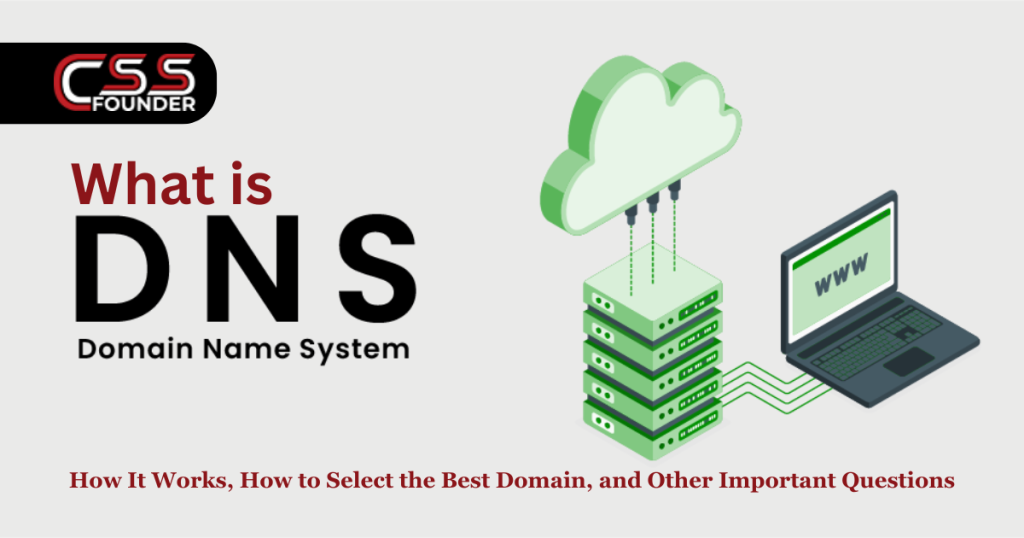
What is DNS, How It Works, How to Select the Best Domain, and Other Important Questions In today’s digital world, understanding how websites work is crucial for anyone involved in web design, advertising, or general internet use. One of the foundational elements of the internet is the Domain Name System (DNS). But what exactly is DNS, how does it work, and how do you choose the best domain for your website? In this detailed guide, we will dive into these questions and more, providing you with the knowledge you need to navigate the web effectively. Introduction Have you ever wondered how typing a web address leads you to the right website? Or how a web design company in Washington ensures their clients’ sites are easily accessible? The answer lies in the Domain Name System (DNS). This article will guide you through what DNS is, how it works, and why it matters. By the end, you’ll understand how to select the best domain name and handle common DNS-related issues. What is DNS? The Domain Name System (DNS) is like the internet’s phone book. When you type a website address into your browser, DNS is responsible for finding the corresponding IP address and directing your request to the right place. Without DNS, we would need to remember complex numerical IP addresses for every website we visit. Imagine trying to remember the phone number of every person you know. Instead, you use their names. DNS works the same way, translating easy-to-remember domain names into the numerical IP addresses that computers use to communicate. How Does DNS Work? When you enter a web address into your browser, your computer initiates a process called DNS (Domain Name System) resolution. This process translates the human-readable domain name into an IP address that computers use to locate the website. Here’s a simplified step-by-step breakdown of how DNS resolution works: DNS Query: Your browser sends a query to a DNS resolver. This resolver is typically provided by your Internet Service Provider (ISP). Recursive Query: The DNS resolver starts by querying a root DNS server to find the necessary information. Root Server: The root server receives the query and directs it to the appropriate Top-Level Domain (TLD) server based on the domain extension (e.g., .com, .org). TLD Server: The TLD server, which handles specific domain extensions, points the query to the authoritative DNS server for the specific domain. Authoritative DNS Server: This server holds the IP address for the requested domain. It returns the IP address to the DNS resolver. IP Address Returned: The DNS resolver sends the IP address back to your browser. Website Accessed: Your browser uses the IP address to request the website’s content from the web server. Step-by-Step DNS Resolution Process Enter Web Address: You type a web address (e.g., www.cssfounder.com ) into your browser. DNS Query Initiation: Your browser sends a DNS query to the DNS resolver. Root Server Query: The DNS resolver sends a recursive query to a root DNS server. TLD Server Direction: The root server identifies the correct TLD server (e.g., the .com server) and directs the query there. TLD Server Query: The TLD server points the DNS resolver to the authoritative DNS server for the domain (e.g., the server that has information about example.com). Authoritative DNS Server Response: The authoritative DNS server responds with the IP address associated with the domain. IP Address Return: The DNS resolver returns the IP address to your browser. Content Request: Your browser uses the IP address to request and load the website’s content from the web server. “This entire DNS resolution process happens in milliseconds, allowing for quick and seamless access to websites. The efficiency of DNS resolution is crucial for maintaining fast web browsing experiences and overall internet functionality.” The Role of DNS Servers DNS servers play a crucial role in the DNS resolution process. There are four main types of DNS servers involved: DNS Resolvers: These servers receive queries from browsers and start the resolution process. Root Servers: There are 13 sets of root servers that contain information about TLD servers. TLD Servers: These servers manage domains under specific extensions (like .com, .net). Authoritative DNS Servers: These contain the actual DNS records and IP addresses for domains. Each type of server contributes to ensuring that your query is efficiently resolved and directed to the correct website. DNS Records Explained DNS records are essential components of the DNS system. They are like instructions that tell DNS servers how to handle queries. Here are some common types of DNS records: A Record: Maps a domain to an IPv4 address. AAAA Record: Maps a domain to an IPv6 address. CNAME Record: Alias for another domain, useful for subdomains. MX Record: Directs email to the correct mail server. TXT Record: Contains text information for various purposes, often used for verification. Understanding these records helps in managing your DNS settings effectively. Common DNS Records DNS Record Purpose Example A Record Maps a domain to an IPv4 address example.com -> 192.0.2.1 AAAA Record Maps a domain to an IPv6 address example.com -> 2001:0db8:85a3:0000:0000:8a2e:0370:7334 CNAME Record Alias for another domain blog.example.com -> example.com MX Record Directs email to the correct mail server example.com -> mailserver.example.com TXT Record Contains text information for various purposes example.com -> “v=spf1 include:_spf.example.com ~all” How to Select the Best Domain Name Choosing the right domain name is vital for your online presence. Here are some tips to help you select the best one: Keep It Simple: A short, memorable name is easier for users to remember and type. Use Keywords: Incorporate relevant keywords, like “web design company in Washington,” to improve SEO. Avoid Numbers and Hyphens: These can be confusing and hard to remember. Check Availability: Ensure your desired domain is available and not trademarked. Consider Extensions: Choose a domain extension that fits your business (.com, .org, .net). A great domain name reflects your brand and makes it easy for users to find you online. Importance of Domain Extensions Domain extensions, also known as