
Why Shopify is the Best Ecommerce Platform for Building Your Online Store In 2024

As the world business website moving more towards ecommerce, having a strong online presence is crucial for businesses of all sizes. Whether you’re a small local shop or a large international brand, an ecommerce platform can help you reach customers, sell products, and grow your business. One of the most popular and powerful ecommerce platforms on the market today is Shopify. Shopify has become the first choice for businesses looking to build a professional, feature-rich online store. In this article, we’ll explore why Shopify is the best ecommerce platform for building your online store. Ease of Use Shopify’s intuitive drag-and-drop website builder makes it easy for even those with no coding or design experience to create a stunning online store. The platform’s clean and modern templates provide a solid foundation, while the customization options allow you to tailor the look and feel to your brand. Shopify’s admin dashboard is also incredibly straightforward and easy to navigate. From here, you can manage your product catalogue, process orders, track sales, and more – all without having to deal with the complexities of web development or server management. Robust Ecommerce Features Shopify was built from the ground up as an ecommerce platform, so it comes packed with a wide range of features specifically designed to support online sales. Some of the key ecommerce features included with Shopify are as they have Secure checkout with support for all major payment gateways, abandoned cart recovery to help recoup lost sales, Powerful inventory management tools, discounts, coupons, and gift cards, Seamless integration with shipping carriers, detailed sales and analytics reporting. These features, and many more, make it easy to run a professional, full-featured online store right out of the box. Scalability and Reliability As your business grows, you need an ecommerce platform that can scale to meet your needs. Shopify is built to handle high volumes of traffic and sales, with best possible uptime guarantee. The platform automatically handles server management, security updates, and backups, so you don’t have to worry about the technical side of running an online store. Shopify also offers a range of pricing plans to suit businesses of all sizes, from the Shopify Lite plan for small and new businesses, to the advanced Shopify Plus plan for the enterprise-level ecommerce. Extensive App Ecosystem One of the biggest advantages of the Shopify platform is its massive app ecosystem. Shopify’s App Store offers thousands of apps and integrations that allow you to extend the functionality of your online store. Whether you need to integrate your store with popular accounting software, implement an advanced loyalty program, or add customer reviews – there’s likely a Shopify app to help. This flexibility ensures you can build the exact ecommerce solution your business needs. Many of these apps are also developed by Shopify’s own team, ensuring a high level of quality and seamless integration. Multichannel Selling In today’s omnichannel retail landscape, it’s important to be able to sell your products across multiple platforms. Shopify makes this easy with its multichannel selling capabilities. Shopify integrates with popular marketplaces like Amazon and eBay allowing you to list and manage your products in these additional sales channels directly from your Shopify dashboard. You can also sell on Facebook, Instagram, and other social media platforms. This multichannel approach helps you reach more consumers and maximize your sales potential. Outstanding Support When you’re running an online business, issues can arise at any time. That’s why Shopify provides outstanding 24/7 support to help you troubleshoot problems and get your store back up and running. Shopify’s support team is highly knowledgeable and responsive, and they offer assistance via phone, email, and live chat. The platform’s extensive knowledge base and community forums also provide a wealth of self-help resources. Additionally, Shopify has a global network of expert Shopify Partners who can provide professional web development, design, and marketing services to help you get the most out of the platform. Conclusion In conclusion, Shopify is the best ecommerce platform for building your online store. With its ease of use, robust feature set, scalability, app ecosystem, multichannel selling capabilities, and outstanding support, Shopify provides everything you need to create a successful and profitable online business. If you’re looking to take your business online or upgrade your existing ecommerce presence, Shopify is the clear choice.
How to Dominate Search Results with Your Web Story in 2024

In today’s digital age, content is king, and web stories have become a popular format for delivering engaging and visually appealing content to audiences. However, creating a captivating web story is only half the battle; the other half is ensuring that it ranks well in search engine results, making it visible to your target audience. In this article, we’ll explore various strategies about how to dominate search results with your web story. Optimize for Featured Snippets Featured snippets are the concise answer boxes that appear at the top of search engine results pages (SERPs) for specific queries. Optimizing your web story for featured snippets can significantly improve its visibility and click-through rates. To achieve this, structure your content in a way that directly answers common questions related to your topic. Use clear and concise language, and format your content with headings and bullet points to make it easily scannable. Leverage Structured Data Structured data, also known as schema markup, is a code that helps search engines better understand the content on your website. By implementing structured data on your web story pages, you provide search engines with additional context about your content, making it easier for them to understand and rank your pages accurately. Additionally, structured data can enhance the appearance of your web story in search results, potentially leading to higher click-through rates. Focus on User Experience Search engines prioritize websites and content that provide an excellent user experience. When creating your web story, ensure that it loads quickly, is mobile-friendly, and offers a seamless browsing experience. Use high-quality visuals, engaging storytelling techniques, and responsive design principles to keep your audience engaged and encourage them to explore your content further. Optimize for Voice Search With the upward thrust of digital assistants and speakers, voice search users continue to increase in high volume. To rank well for voice searches, optimize your web story content for natural language queries and long-tail keywords. Additionally, consider incorporating frequently asked questions (FAQs) into your web story, as these tend to align well with voice search queries. Build High-Quality Backlinks Backlinks still a vital ranking factor to earn better online visibility in search engine. Earn high-quality backlinks from reputable and relevant websites by creating exceptional content and promoting it through outreach campaigns, guest blogging, and social media engagement. Additionally, encourage others to link to your web story by offering shareable resources, such as infographics, videos, or downloadable assets. Leverage Social Media Social media platforms can be powerful allies in your quest to rank your web story higher. Share your web story across multiple social media channels, encouraging your followers to engage with and share your content. This social engagement can signal to search engines that your content is valuable and relevant, potentially boosting its ranking. Conduct Keyword Research Effective keyword research is essential for ranking your web story. Identify relevant keywords and phrases that your target audience is likely to search for, and strategically incorporate them into your web story’s content, titles, headings, and metadata. However, keep away from key-word stuffing, as this may damage your rating and personal experience. Monitor and Analyze Performance Regularly monitor and analyze the performance of your web story using tools like Google Search Console and web analytics platforms. Identify areas for improvement, such as pages with high bounce rates or low engagement, and make necessary adjustments to enhance your web story’s ranking and user experience. Stay Up-to-Date with Search Engine Algorithm Updates Search engines like Google and Bing frequently update their algorithms to improve search results and combat manipulative practices. Stay informed about these updates and adjust your web story optimization strategies accordingly. Follow authoritative sources and industry experts to stay ahead of the curve. Embrace Continuous Improvement Ranking your web story higher in search results is an ongoing process that requires continuous effort and improvement. Regularly update your web story with fresh, relevant content, and experiment with different optimization techniques to find what works best for your audience and niche. By implementing these strategies, you can increase the visibility and discoverability of your web story, ultimately driving more traffic and engagement to your website. Remember, ranking well in search results is a marathon, not a sprint, so be patient, persistent, and committed to providing high-quality content and an exceptional user experience.
Boost Sales and Customer Satisfaction with CRM Software Development in 2024

In today’s ultra-competitive business landscape, companies are always looking for ways to get an edge over rivals. One key way to do this is by improving customer service and managing customer relationships more effectively. This is where CRM (Customer Relationship Management) software can provide a huge boost. CRM Software Development systems allow businesses to track all interactions and data about customers and prospects in one centralized platform. This gives customer-facing teams a 360-degree view of the customer journey and relationship history. With CRM software, companies can nurture leads, analyze customer behaviors, automate marketing tasks, and much more. If you’re considering investing in CRM software development for your organization, here are some of the key benefits it can deliver: Better Customer Insights and Personalization CRM databases consolidate all customer information like contact details, purchase histories, service inquiries, marketing interactions, etc. This wealth of data provides valuable insights into customer needs, preferences, and behaviors. You can then leverage these insights to provide more personalized customer experiences, tailored marketing campaigns, and customized product recommendations. In turn, this helps increase customer satisfaction and loyalty. Improved Sales & Marketing Alignment By having a shared CRM system, sales and marketing teams can collaborate more effectively. Marketing can capture better quality leads and pass them to sales with full context. Sales can then continue nurturing those leads based on prior interactions tracked in the CRM. The seamless handoff and shared visibility prevents prospects from slipping through the marketing channel. Boosted Productivity & Efficiency CRM systems automate many routine tasks like data entry, lead routing and assignment, follow-up scheduling, report generation, and more. This reduces administrative overhead and frees up reps to spend more time on high-value sales and service activities. Productivity tools like mobile CRM apps also allow teams to work on-the-go and update customer information from anywhere. Higher Customer Retention & Revenue With real-time customer data at their fingertips, support teams can handle queries faster and deliver more personalized service. The analytics and reporting capabilities in CRM platforms also allow you to identify churn risks, find cross-selling opportunities, and take proactive steps to boost retention. All of this drives higher customer lifetime value and revenue for your business. Streamlined Business Processes CRM systems act as a centralized hub for automating and streamlining processes across multiple business functions – marketing, sales, service, operations, analytics, and more. From lead nurturing workflows to case management protocols to custom approval flows, CRM software allows you to standardize best practices and optimize efficiency across teams and departments. Scalability and Integration Most modern CRM platforms offer scalable, cloud-based architectures that can easily handle growth in users, data volume, and workloads. They also provide robust integration capabilities to connect with other critical business tools like email, social media, accounting software, e-commerce platforms, and more. This allows the CRM to serve as the nexus of a cohesive technology ecosystem. With advantages like these, it’s no surprise that CRM adoption continues to rise rapidly across industries. In fact, the global CRM market is expected to grow to $113.46 billion by 2027. Companies that invest in the right CRM software development and implementation can gain a major competitive edge through better customer intelligence, engagement, and service delivery. The bottom line is that a robust CRM system is no longer a nice to have, but a must have for modern, customer-centric businesses. So if you haven’t jumped aboard the CRM train yet, now is the time to evaluate the potential benefits for your organization. CRM is one of the most valuable departments of any organization. CRM system helps to build company brand image in market and also able maintain long lasting relationship with potential consumers.
What desired skills are required for an aspiring web developer in 2024?
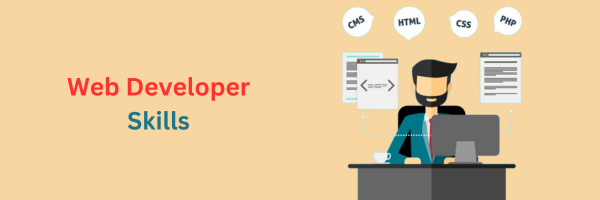
In today’s digital world, web development has become a vital skill in high demand. As more and more businesses and organizations establish an online presence, the need for skilled web developers continues to grow. But what desired skills are required for an aspiring web developer? Let’s have a deep insight at the key skills that web developers need to have in their toolkit: 1. Programming Languages and Frameworks At the core of web development is the ability to write clean, efficient code. Web developers need to be proficient in a variety of programming languages, such as HTML, CSS, JavaScript, PHP, Python, and Ruby. They should also be familiar with popular web development frameworks like React, Angular, Vue.js, Laravel, and Django, which can accelerate the development process and provide a structured approach. 2. Responsive Design In the mobile-first era, it’s critical for web developers to have a strong understanding of responsive design. This means being able to create websites and web applications that adapt seamlessly across different devices and screen sizes, providing an optimal user experience no matter how someone is accessing the content. 3. Database Management Many web applications require the ability to store, retrieve, and manipulate data. Web developers need to have database management skills, including knowledge of SQL (Structured Query Language) and experience working with relational databases like MySQL, PostgreSQL, or cloud-based options like Amazon RDS or Google Cloud SQL. 4. Version Control Effective web developers leverage version control systems like Git to manage changes to their codebase. This allows them to collaborate with other team members, track code changes, revert to previous versions if needed, and streamline the development workflow. 5. Testing and Debugging Web developers must be skilled in testing their code to identify and fix bugs or errors. This includes both manual testing and automated testing frameworks. They should also be adept at using browser developer tools and debuggers to diagnose and resolve issues in the front-end and back-end of an application. 6. User Experience (UX) Design While web developers may not be the ones designing the user interface, they need to have a strong understanding of UX principles. This includes elements like intuitive navigation, accessibility, responsiveness, and overall visual appeal. The ability to translate UX designs into functional, high-quality code is crucial. 7. Security As web applications handle sensitive user data and are exposed to potential cyber threats, web developers must prioritize security. This means implementing secure coding practices, understanding common vulnerabilities (e.g., cross-site scripting, SQL injection), and incorporating measures like encryption, input validation, and access controls. 8. Continuous Learning The world of web development is subject to transform new technologies; frameworks shape up the web developer learning culture. Successful web developers demonstrate a willingness to continuously learn and adapt. They stay up-to-date with industry trends, experiment with new tools and techniques, and are eager to expand their skillset. 9. Collaboration and Communication While web development is often a technical discipline, web developers must also possess strong communication and collaboration skills in order to convey strong message with another department. They need to be able to work effectively with designers, project managers, stakeholders, and other team members to understand requirements, provide updates, and deliver high-quality solutions. 10. Problem-Solving and Critical Thinking At the heart of web development is the ability to solve problems. Web developers need to be adept at breaking down complex issues, analysing data, identifying root causes, and implementing creative solutions. Critical thinking skills, creativity, and a methodical approach are essential. These are the key skills that web developers should strive to develop and refine. Of course, the specific skill set required may vary depending on the project, the organization, and the web developer’s role (e.g., front-end, back-end, full-stack). But mastering this core set of competencies will put web developers in a strong position to excel in their careers. As the demand for web development continues to grow, individuals with these skills will be well-positioned to take advantage of the numerous opportunities in this dynamic and rewarding field. Whether you’re just starting your journey in web development or looking to enhance your existing skillset, focusing on these essential abilities will help you become a more valuable and much improved web development professional.
How The Content Management System Revolution is Changing the Game in Online Publishing in 2024
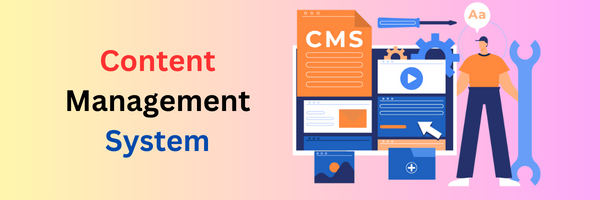
In today’s digital age, content is always the king. Whether you’re a business, blogger, or organization, having a strong online presence with a website full of fresh, relevant content is crucial. However, building and maintaining a website from scratch can be a complex and time-consuming process, requiring knowledge of coding, design, and web development. Content management systems (CMS), a game-changing technology that has revolutionized the way we create, manage, and publish content online. A CMS is a software application that simplifies the process of creating, editing, organizing, and publishing digital content, making it accessible to users of all technical skill levels. At its core, a CMS provides a user-friendly interface that separates the content from the website’s design and functionality. This means that you can focus on creating and managing your content without worrying about the technical aspects of web development. The CMS handles the behind-the-scenes complexities, allowing you to seamlessly publish your content to your website with just a few clicks. One of the key features of a CMS is its ability to manage multiple users and assign different roles and permissions. This feature is particularly useful for organizations or teams where multiple people contribute to the website’s content. Administrators can grant specific access levels, ensuring that only authorized users can create, edit, or publish content, maintaining control and consistency across the website. CMSs also offer a wide range of built-in features that streamline the content creation and management process. These features include: 1. WYSIWYG (What You See Is What You Get) editors: These user-friendly editors allow you to create and format content in a similar word processing-like interface, without having much of coding knowledge. 2. Content scheduling: With content scheduling, you can plan and schedule your content to be published at a specific date and time, ensuring a consistent flow of fresh content. Versioning allows you to track changes made to your content, making it easy to revert to previous versions if needed. 3. Media management: Most CMSs provide robust media management tools, allowing you to upload, organize, and embed various types of media, such as images, videos, and documents, into your content. 4. Search engine optimization (SEO) : Many CMSs come equipped with built-in SEO tools that help you optimize your content for better search engine visibility and ranking. 5. Template and theme management: CMSs offer a wide range of pre-designed templates and themes that allow you to quickly and easily customize the look and feel of your website without delving into complex coding. 6. Plugin and extension ecosystems: Most popular CMSs have extensive plugin and extension ecosystems, providing additional functionality and features to enhance your website’s capabilities. One of the most vital aspects of using a CMS is its scalability. As your website grows and your content requirements evolve, a CMS can easily adapt to accommodate your changing needs. Whether you’re running a small personal blog or a large corporate website, a CMS can handle the workload and provide the tools you need to manage your content effectively. Additionally, many CMSs are open-source, which means that their source code is freely available and can be modified and customized by developers to meet specific requirements. This open-source nature foster a vibrant community of developers who contribute to the continuous improvement and enhancement of these systems. Popular examples of CMSs include WordPress, Joomla, Drupal, and Adobe Experience Manager. While each CMS has its own unique features and strengths, they all share the common goal of empowering users to create, manage, and publish content with ease. In conclusion, content management systems have revolutionized the way we approach web content creation and management. By providing a user-friendly interface, powerful tools, and scalable solutions, CMSs have democratized the web, enabling individuals and organizations of all sizes to establish and maintain a professional online presence without extensive technical expertise. As the digital landscape continues to evolve, CMSs will undoubtedly play a pivotal role in shaping the future of content creation and management.
Importance of Corporate Website Design in the Modern Business Landscape

Importance of Corporate Website Design in the Modern Business Landscape In today’s digital age, a well-designed corporate website is no longer a luxury – it’s an essential component of any successful business strategy. As the face of your company on the internet, your website serves as a virtual storefront, a marketing tool, and a crucial platform for engaging with customers and communicating your brand identity. Investing in professional corporate website design is paramount for establishing a strong online presence, enhancing credibility, and driving business growth. First Impression : Your website is mostly the first point of interaction between company and potential consumers. A appealing, user-friendly and responsive design creates awesome impression, builds confidence in your brand and encouraging visitors to explore further. Conversely, a poorly designed website can quickly turn away prospective clients, costing you valuable opportunities. Effective Brand Communication: Your corporate website is an extension of your brand identity. Through thoughtful design elements, such as color schemes, typography, and visual assets, you can effectively communicate your brand’s personality, values, and unique selling propositions. Consistent branding across all digital touchpoints reinforces recognition and fosters trust among your target audience. Brand management is crucial aspect of any organization. Compelling brands allows strong presence in market and open new pathway to future leads prospects in pipeline. Enhanced User Experience: In the competitive online landscape, user experience (UX) is king. A well-designed website ensures seamless navigation, intuitive information architecture, and optimized load times – all of which contribute to a positive user experience. By prioritizing UX, you not only increase visitor engagement and satisfaction but also improve your search engine rankings, as search algorithms favor user-friendly websites. Credibility and Professionalism: A professionally designed corporate website conveys credibility and professionalism. Customers are more likely to trust and do business with companies that have invested in a polished online presence. A visually appealing and well-structured website demonstrates your commitment to quality and attention to detail, setting you apart from competitors with atpar digital offerings. Lead Generation and Conversion: Ultimately, the success of your corporate website hinges on its ability to generate leads and convert visitors into customers. Strategic design elements, such as compelling calls-to-action, lead capture forms, and optimized conversion funnels, can significantly impact your lead generation and conversion rates. By aligning your website design with your marketing objectives, you can effectively nurture leads and drive tangible business results. Responsive and Mobile-Friendly Design: With the proliferation of mobile devices, it’s imperative that your corporate website is responsive and mobile-friendly. Google algorithm also gave priority on mobile friendly design as more searches are done from mobile devices rather than desktop. A responsive design ensures that your website fits to different screen sizes and devices, provides you with best user experience nevertheless , how visitors access your site. Failure to optimize for mobile can lead to high bounce rates and lost opportunities. Scalability and Future-Proofing: A well-designed corporate website should not only meet your current needs but also accommodate future growth and evolving trends. By investing in a scalable and adaptable design, you can easily integrate new features, functionalities, and content without compromising the user experience or requiring a complete overhaul. This future-proofing approach ensures that your website remains relevant and competitive in the ever-changing digital landscape. In the modern business world, your corporate website is a powerful tool that can either elevate or hinder your success. By prioritizing professional website design, you can effectively communicate your brand, enhance customer experiences, generate leads, and ultimately drive business growth. Neglecting the importance of corporate website design can put your company at a significant disadvantage, as potential customers may perceive a poorly designed website as a reflection of your overall business practices and commitment to quality.
Enhance Your Online Presence with Portfolio Website Design in 2024

In the competitive world of web design, having a standout portfolio can make all the difference when it comes to landing new clients and projects. Your portfolio serves as a showcase of your skills, creativity, and unique style, allowing potential clients to see firsthand what you can bring to the table. With the right portfolio website design, you can make a lasting impression and set yourself apart from the competition. Let’s explore key parameters of creating a powerful portfolio website design that will help you attract and impress your target audience. Why Portfolios are Essential for Web Designers A well-crafted portfolio is like a digital resume that speaks volumes about your expertise and experience. It provides potential clients with a glimpse into your creative process, design sensibilities, and the quality of work you deliver. A portfolio allows you to showcase your best projects, highlight your strengths, and demonstrate your ability to solve problems and meet client needs. In essence, your portfolio is your chance to make a strong first impression and show the world what you’re capable of. Here are some key Tips for crafting the Perfect Portfolio Website Choose the Right Platform: When creating your portfolio website, it’s essential to choose a platform that aligns with your design goals and technical skills. Whether you opt for a website builder like Wix or WordPress, make sure the platform is user-friendly, customizable, and allows for easy updates and edits. Showcase Your Best Work: Your portfolio should feature a selection of your most impressive and diverse projects. Include a mix of client work, personal projects, and experimental pieces to demonstrate your range and versatility as a designer. Highlight projects that best represent your style and skills. Tell Your Story: Use your portfolio to narrate the story behind each project. Brief your design methods, challenges you faced, and how you overcame them. Providing context and insights into your work can help clients better understand your approach and creativity. Keep It Simple and Intuitive: A clean, well-organized portfolio is key to capturing and retaining the attention of visitors. Make sure your website is easy to navigate, with clear categories, intuitive navigation menus, and concise project descriptions. Focus on usability and simplicity to create a seamless user experience. Prioritize Visuals: As a designer, your portfolio is a visual showcase of your talent and creativity. Use high-quality images, videos, and animations to bring your projects to life and engage visitors. Pay attention to details like color scheme, typography, and layout to create a visually appealing and cohesive portfolio. Highlight Your Skills and Expertise: In addition to showcasing your projects, make sure to highlight your skills, services, and areas of expertise on your portfolio website. Include a brief bio, resume, and testimonials to build credibility and establish trust with potential clients. Optimize for Search Engines: To ensure your portfolio gets seen by the right audience, optimize it for search engines. Use relevant keywords, meta tags, and alt text for images to improve your website’s visibility and ranking on search engine results pages. Final Thoughts In conclusion, a well-designed portfolio website is an invaluable tool for web designers looking to attract clients, showcase their talent, and build their brand. With growing of brand in marketplace sales projection is liable to increase which further leads to increase in revenue. By following these key tips, you can create a strong portfolio that effectively communicates your skills and your unique style to potential prospects. Remember, your portfolio is your digital storefront, so make sure it represents you in the best possible light. Show the world what you’re capable of with a standout portfolio website design.
Content: Keys to a Huge Online Success in 2024

Deep knowledge about anything comes from its content, you cannot ignore the content. It is the backbone of every strategy, every campaign that brings customers to your business, builds trust and develops relationships. On web pages, content holds paramount importance as it serves as the primary means of communication with the audience, aids in SEO efforts, enhances user engagement, and contributes to building brand image and authority. While quantifying the precise percentage of benefit derived from content is challenging, its impact can be measured through various metrics such as website traffic, conversion rates, engagement metrics, brand sentiment, and customer feedback. Overall, the significance of content in both the time of crisis and under normal circumstances cannot be overstated, as it remains a cornerstone of effective communication and engagement on the web. In today’s fast-paced digital world, establishing trust with customers has become increasingly challenging. With competition at an all-time high and attention spans growing shorter by the day, simply having a sleek website isn’t enough to ensure success in the online business realm. What truly sets thriving businesses apart is their ability to leverage strategic and compelling content that not only draws visitors in but also captivates them, ultimately turning them into loyal patrons. Increasing Traffic: High-quality content is like a magnet for online traffic, crucial for businesses like CSS Founder. When you create valuable and relevant content, you increase your chances of ranking higher in search engine results pages (SERPs). This means that more people will learn about your business when they search for related topics or products. By optimising your content with relevant keywords like “website designing company” and providing valuable insights, you can attract organic traffic to your website, expanding your reach and potential customer base. Building Authority: Consistently producing valuable content in your field helps establish your business, such as CSS Founder, as an authority in the industry. When consumers see that you are knowledgeable and trustworthy, they are more likely to choose your products or services over your competitors. Additionally, creating content that addresses common issues or provides solutions to problems positions your business as a helpful resource, fostering trust and credibility among your audience. Capturing Your Audience: In today’s age of information overload, capturing and maintaining your audience’s attention is no easy feat. However, compelling content has the power to entice and engage users, crucial for businesses like CSS Founder, keeping them coming back for more. Whether it’s through informative blog posts, engaging videos, or interactive social media content, finding creative ways to connect with your audience can help strengthen customer relationships and drive repeat business. Converting Leads into Customers: The ultimate goal of any online business, including CSS Founder, is to convert leads into paying customers. Effective content marketing plays a vital role in this process by guiding prospects through the buyer’s journey. By creating content tailored to each stage of the sales funnel – from awareness to consideration and decision – you can nurture leads and ultimately increase conversions. Whether it’s through educational blog posts, product demonstrations, or customer testimonials, strategic content helps build trust and confidence in your brand, making it easier to close the deal. Promote Long-term Growth: In addition to increasing immediate sales, content marketing has the potential to promote long-term growth for your online business. By consistently producing high-quality content that resonates with your target audience, you can build a loyal following of customers who engage with your brand over time. This not only drives repeat business but also encourages word-of-mouth referrals and positive reviews, expanding your reach and influence in the market. Ultimately, content isn’t just a component of your online business – it’s the vital foundation upon which success is built, especially for businesses like CSS Founder. By investing in strategic content creation and marketing efforts, you can attract, engage, and convert your target audience, ultimately driving growth and profitability for your business. So, don’t underestimate the power of content – make it a top priority in your online business strategy and watch your success soar.
Website Designing in Delhi: Costs, Services, and Everything You Need to Know

Website Designing in Delhi: Costs, Services, and Everything You Need to Know As the capital of India, Delhi is a hub of business and creativity, with a thriving market for website design services. However, if you are considering investing in a website for your business, blog, or personal project, one of your primary concerns is the cost of website design in Delhi. In this comprehensive guide, we will discuss in depth the various factors that influence website design pricing in Delhi, helping you make an informed decision that suits your specific needs and budget and helping you find the right website designing company in Delhi. Understanding the Factors Affecting Website Design Pricing The cost of website designing in Delhi can vary greatly depending on several key factors. Understanding these factors is essential to setting a realistic budget for your project. Here are some primary considerations: 1. Complexity of the Website: The complexity of your website is a major factor affecting the price of your website. A simple and static website with a few pages will cost less than a dynamic e-commerce site with advanced features and functionality. 2. Design and Layout: The visual design of your website and its look and layout are very important. A custom, visually appealing design will generally cost more than using pre-made templates. However, it can also enhance your brand’s uniqueness and user experience. 3. Functionality and Features: Additional features like e-commerce capabilities, contact forms, content management systems, and others increase the cost of your website. Contact a web designing agency to discuss your specific requirements to get an accurate quote. 4. Content Creation: If you also want to add content like text, images, and videos to your website, which requires a design team to create, this will increase your overall costs. The quality and quantity of materials can impact the price. 5. Responsive Design: Making sure your website is responsive and mobile-friendly is vital in today’s digital landscape. A responsive design may increase the overall cost but is essential for a seamless user experience. 6. SEO Services: Many web design agencies in Delhi provide website building as well as SEO services to improve the search engine visibility of your website. Including these services in one package can increase the cost of the website. 7. Maintenance and Updates: After creating a website, it is also important to consider the cost of maintaining and updating it. Some web design companies offer maintenance packages, while others charge as needed. 8. Domain and Hosting: Domain registration and web hosting services for the website add up to your additional expenses. Some web design companies may offer these services as part of their packages. Types of Website Designers and Their Pricing In Delhi, you will find a variety of options for website design services, each with its own pricing structure. Here are the primary types of website designers and their typical pricing models: 1. Freelance Designers: Freelancers often offer competitive pricing and charge on an hourly or project basis. Rates can vary widely, with experienced designers generally charging more than newcomers. 2. Web Design Agencies: It is best to choose a website designing company in Delhi that provides a team of professionals to work on your project. People who work closely and professionally on your project often have fixed packages and can meet different budgets. The cost will depend on the reputation, size, and location of the agency. 3. DIY Website Builders: If you have a limited budget and some design skills, you can opt for a DIY website builder. Platforms like Wix, WordPress, and Squarespace offer templates and tools to build your website at a low cost. However, customization options may be limited. 4. Full-Service Digital Agencies: Some agencies also provide comprehensive digital marketing services, including website design. These full-service agencies can provide end-to-end solutions that can be cost-effective for businesses looking to streamline their online presence. Average Website Design Pricing in Delhi To give you a general idea when it comes to website design pricing in Delhi, we can provide an estimated cost range depending on the complexity of the project: You can use a website price calculator where you can check the website development cost in India. Our website price calculator is totally free to use. By using this calculator, you can make a strong budget for your website. 1. Basic Website: A simple, static website with a few pages and minimal functionality can cost Rs 5,000 to Rs 15,000. Freelancers and DIY website builders can be ideal for this type of project. 2. Small Business Website: For a small business website with additional features like a contact form, gallery, and blog section, you can expect to pay between Rs 15,000 to Rs 50,000. Freelancers and small web design agencies are good options. 3. E-commerce Website: An e-commerce website with a product listing, shopping cart, and payment gateway can range from Rs 30,000 to Rs 1,00,000 or more, depending on the size and complexity. Established web design agencies are recommended for such projects. 4. Custom and Complex Websites: If you need a fully customized website with advanced features, expect to invest more than Rs 1,00,000. Larger web design agencies that specialize in complex projects may be the best choice. It is important to note that these price ranges are approximate and may vary depending on the factors mentioned earlier. To get an accurate quote for your specific project, it is recommended to reach out to multiple web designers or agencies in Delhi and discuss your requirements in detail. Tips for Choosing the Right Web Designer Selecting the right web designer is essential to ensure that your project is professionally executed and meets your expectations. Here are some tips to help you provide good information: 1. Check Portfolios: Review the designer or agency’s portfolio to assess the quality and style of their work. This will make it easier for you to assess their design abilities. 2. Read Reviews and Testimonials: Look for customer reviews and testimonials to gauge customer satisfaction. It can provide information about the designer’s credibility and professionalism. 3. Discuss Your Vision: Have a
E-commerce Website Design Solutions in Delhi

E-commerce Website Design Solutions by CSS Founder: A Leading Website Designing Company in Delhi Nowadays, online presence is important for businesses looking to reach a wider audience and increase their revenue. E-commerce websites have become the primary platform for many businesses to display and sell their products or services. The success of an e-commerce venture largely depends on the design and functionality of the website. CSS Founder, a leading website designing company in Delhi, specializes in providing tailored solutions to create stunning e-commerce websites that not only attract customers but also provide a seamless shopping experience. This blog will dive deep into the world of e-commerce website design and explore how CSS Founder has emerged as a trusted partner for businesses looking to establish a strong online presence. We’ll discuss the importance of e-commerce website design, key elements to consider, and how to excel in creating a website that stands out in a crowded digital marketplace. Understanding the Significance of E-commerce Website Design The design of an e-commerce website is its virtual storefront. Just as the layout, ambiance, and organization of a physical store play a vital role in attracting and retaining customers, the design of an e-commerce website can significantly influence visitor’s perceptions and purchasing decisions. Here are some of the key reasons why e-commerce website design is important: 1. First Impressions Matter: Your website is often the first point of contact and attraction for your potential customers. An aesthetically pleasing and well-organized website makes a positive and lasting impression and encourages users to learn more. 2. User Experience: An attractively and attractively designed website ensures a smooth and intuitive user experience. This helps users navigate through products or services, find what they are looking for, and complete the checkout process without any frustration. 3. Trust and Credibility: A professionally designed website conveys trust and credibility with the customer. This gives customers confidence that they are dealing with a legitimate and reputable business. 4. Brand Identity: Your website design should reflect your brand identity, values, and personality. Consistency in design elements and branding helps build brand identity. 5. Mobile Responsiveness: With the increasing use of mobile devices for online shopping, it is essential to have a responsive design that adapts to different screen sizes to reach a wider audience. Key Elements of E-commerce Website Design It is important to consider several key elements carefully to create an effective e-commerce website. CSS Founders, a leading website designing company in Delhi, pays close attention to these elements while developing an e-commerce website. 1. Responsive Design: With the increasing use of smartphones and tablets, it is essential to have a responsive design that adapts to different screen sizes. CSS Founder ensures that websites are accessible and user-friendly on all devices. 2. User-Friendly Navigation: Intuitive navigation is important. Clear and organized menus, product categories, and search functionality help users find products quickly and easily. 3. Visual Appeal: The visual appeal of a website is an important factor in attracting and retaining customers. CSS Founder creates visually appealing designs that appeal to the target audience. 4. High-Quality Imagery: High-quality product images and videos are essential to effectively showcase products. CSS Founder emphasizes the importance of visually appealing content. 5. Clear Call-to-Action (CTA): Each page should have a clear and compelling call-to-action that encourages users to take the desired action, such as “Buy Now,” “Add to Cart,” or “Contact Us. 6. Product Descriptions: Well-written product descriptions that are informative and persuasive help customers make informed purchasing decisions. 7. Checkout Process: A streamlined and easy-to-use checkout process is key to reducing cart abandonment rates. The CSS Founder optimizes the checkout process to make it as intuitive as possible. 8. Security: Trust is paramount in e-commerce. It is important to ensure secure payment processes and display the trust seal or badge. CSS Founder integrates the latest security protocols to protect customer information. 9. Load Time: Slow-loading websites can frustrate users and negatively impact SEO rankings. CSS Founder optimizes websites for fast loading times to enhance the user experience. 10. Social Proof and Reviews: Including customer reviews, ratings, and testimonials can build trust and credibility. CSS Founder can integrate these features to increase website credibility. CSS Founder: Your Partner for Exceptional E-commerce Website Design CSS Founder is a well-established website designing company in Delhi with a proven track record of providing excellent e-commerce website design solutions. Here’s why CSS Founder stands out as a top choice for businesses that want to build a strong online presence: 1. Expertise and Experience: CSS Founder has years of expertise and experience in web design and development. Their team of skilled professionals understands the nuances of e-commerce website design and stays updated with the latest industry trends. 2. Customized Solutions: A one-size-fits-all website design doesn’t fit all. CSS Founder provides customized e-commerce website design solutions tailored to each client’s specific needs and business goals. They take into account the specific industry, target audience, and branding requirements. 3. Visual Excellence: CSS Founder prioritizes visual excellence in every project. They design websites that are not only visually appealing but also in line with the client’s brand identity. 4. User-Centric Approach: CSS Founder has put user experience at the forefront of its design process. They ensure that navigation is seamless and that every aspect of the website is designed to provide a pleasant and satisfying experience for users. 5. Mobile Responsiveness: Recognizing the importance of mobile browsing, the CSS founder designs fully responsive websites, meaning they work on any display. This ensures that users can access the website and make purchases from any device. 6. SEO Optimization: SEO is an important part of online visibility. CSS Founder optimizes websites for search engines, helping clients rank higher in search results and attract more organic traffic. 7. E-commerce Platform Expertise: CSS Founder has experience with various e-commerce platforms including WooCommerce, Shopify, Magento, and others. They can recommend the most suitable platform based on the customer’s needs. 8. Transparent Communication: CSS Founder believes in clear and transparent communication with its clients, which is why we have the trust of many clients today. We involve clients in every step of the design